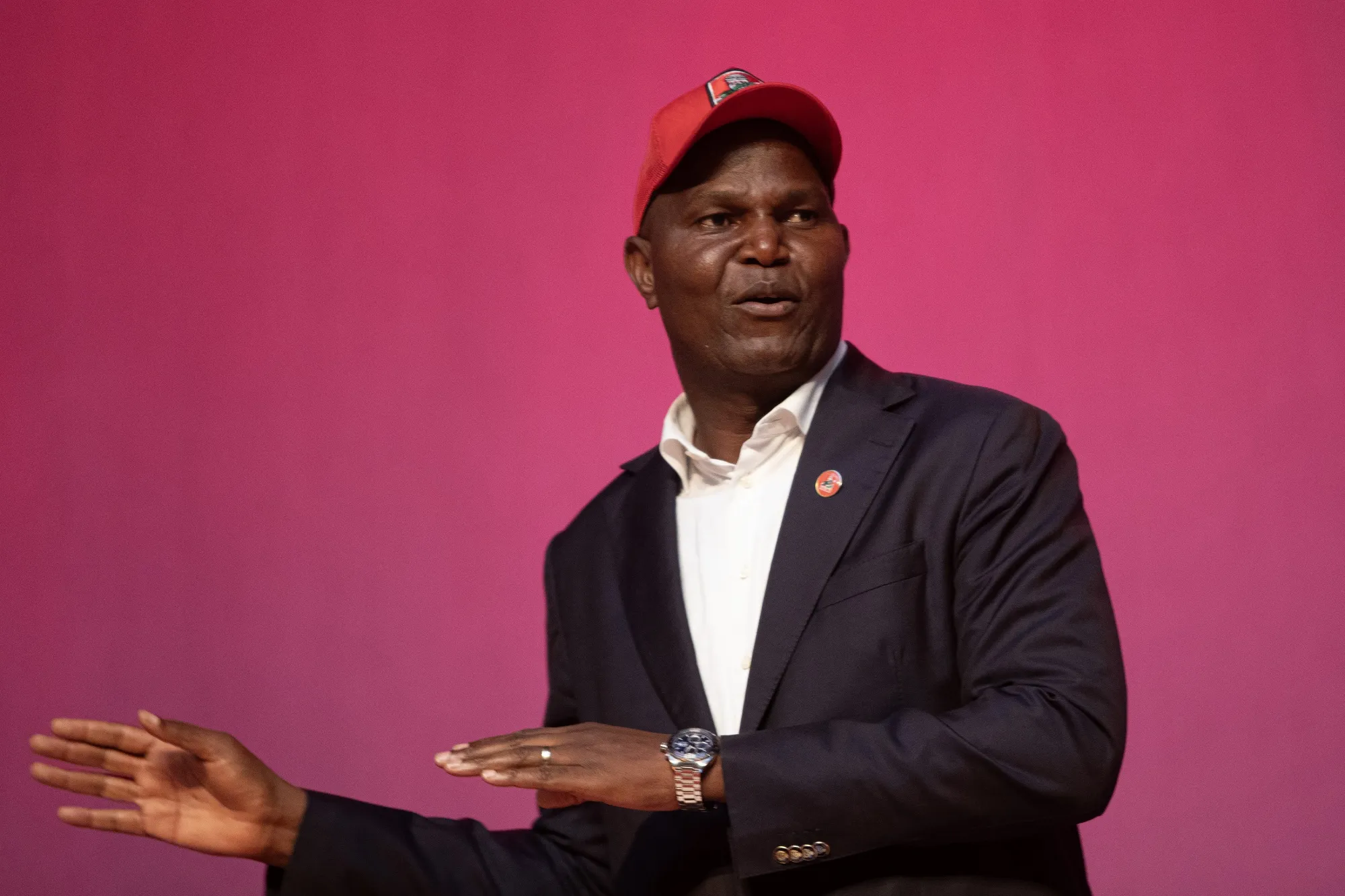
Daniel Chapo, the president-elect of Mozambique, has announced plans to initiate national reconciliation talks as part of efforts to address the escalating political crisis that has gripped the nation. The unrest, triggered by the contentious October 9 elections, has resulted in numerous fatalities and disrupted economic growth in the resource-rich nation, which boasts some of the largest natural gas reserves in the region.
The Constitutional Council officially declared Chapo the victor on December 25, confirming his 65% majority in the elections. However, the announcement was followed by widespread unrest, with violent protests breaking out in various parts of the country. The 47-year-old lawyer and former provincial governor is set to assume office on January 15, 2025.
“I am launching a national-reconciliation and dialogue initiative,” Chapo stated shortly after the election results were upheld. He emphasised the need to bring together political leaders, civil society, and local communities to resolve grievances, foster understanding, and rebuild trust.



The ongoing political turmoil has taken a toll on Mozambique’s economy, which is heavily reliant on mining and energy exports. Rioting and unrest have disrupted mining operations and delayed progress on a $20 billion liquefied natural gas (LNG) project led by TotalEnergies SE. Flights have been cancelled, and tourism has suffered significant setbacks as the violence spread to key port cities such as Beira and Nacala.

Standard Bank Group’s local unit predicts an economic contraction for the current and upcoming quarters, further straining the government’s finances. The UK government has also issued travel advisories warning of the deteriorating security situation.
Footage from local media has shown alarming scenes of unrest, including mobs attacking bank branches and setting fire to government offices. In Macia, a town north of the capital Maputo, protesters targeted the offices of the ruling Mozambique Liberation Front (Frelimo), torching the premises and blocking roads with burning tyres.
The violence has led to significant loss of life, with the local observer group Decide Platform reporting at least 16 fatalities in a single night. Since the protests began in late October, over 130 people have died, mostly as a result of police action against demonstrators.
Venâncio Mondlane, the opposition presidential candidate who received 24% of the vote, has been a central figure in the protests. After fleeing Mozambique on October 21, Mondlane has continued to denounce the elections as fraudulent, calling for international mediation while orchestrating demonstrations through live streams. In his latest statement, he affirmed that the protests would continue until meaningful action is taken.
Chapo has dismissed claims that the election results undermine his legitimacy, noting that irregularities occur in elections worldwide. However, concerns have been raised by both local and international observers, with reports of ballot-box stuffing and vote rigging. While the Constitutional Council acknowledged these issues, it concluded that they were insufficient to alter the outcome. The US State Department has criticised the electoral process, calling it “flawed.”
Neighbouring South Africa has expressed concern over the escalating violence, urging all parties in Mozambique to commit to dialogue. Pretoria has also offered to mediate the talks if necessary.
Chapo has reiterated his commitment to restoring peace as a priority and reassured investors about Mozambique’s economic potential. Addressing concerns from companies operating large-scale projects in the country, he stated, “Mozambique remains a land of immense opportunity. It is very important to maintain the contract situation with these companies, our law.”
While Chapo has not ruled out engaging with Mondlane and other opposition leaders, he clarified that any discussions would take place after his inauguration and in consultation with his party, Frelimo. The ruling party, which has been in power since independence 49 years ago, denies allegations of election rigging.
Mondlane, in contrast, has signalled his willingness to form a unity government but ruled out taking any position under Frelimo’s administration. The president-elect faces the challenge of uniting a deeply divided nation while addressing significant economic and political instability.
Chapo’s approach to reconciliation and dialogue aims to stabilise the nation and rebuild investor confidence in Mozambique’s future. With the gas-rich nation at a critical juncture, the coming months will be pivotal for restoring peace and ensuring sustainable development.
Meta Description:

Tags: