

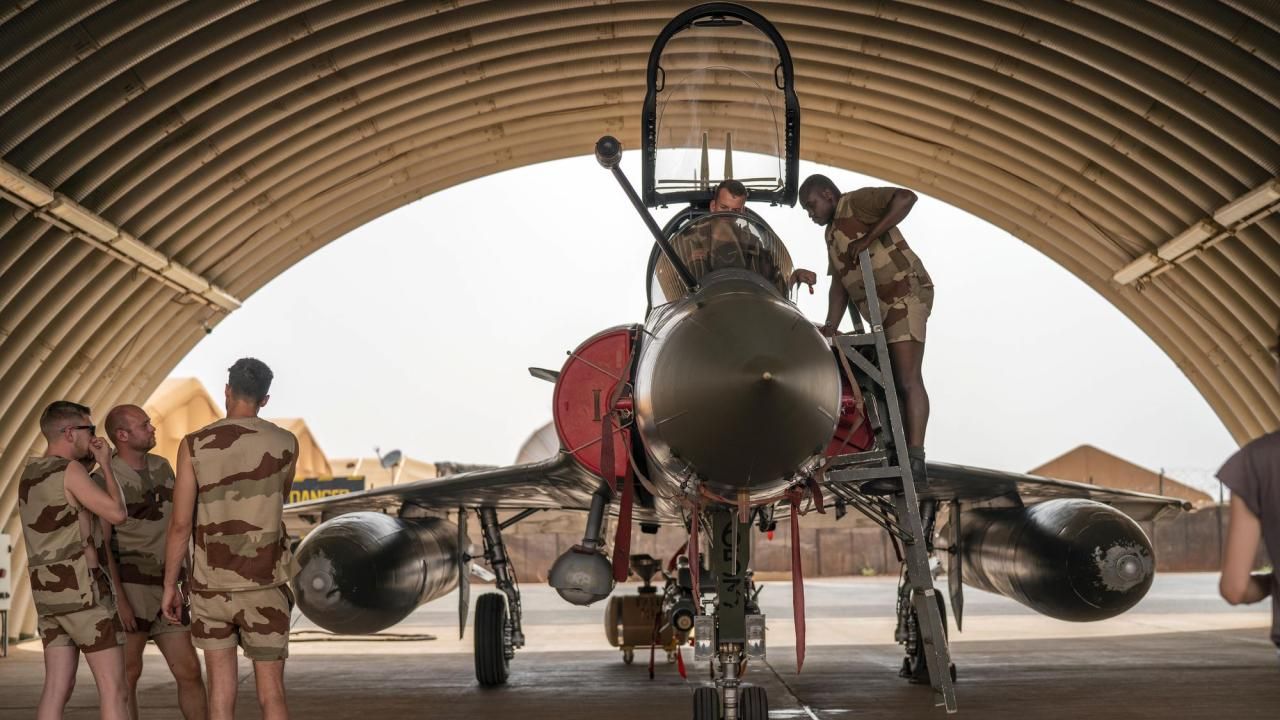
France has commenced the withdrawal of its military forces from Chad, marking the latest chapter in the reconfiguration of its military engagements across Africa. Fighter jets departed the French military base in N’Djamena, the Chadian capital, on Tuesday, symbolising the initial stages of a calculated retreat. The Chadian army spokesperson, Chanane Issakha Acheikh, confirmed that the public would receive updates on each phase of the withdrawal until the complete departure of French troops.
This military drawdown follows Chad’s announcement last month terminating its longstanding security and defence cooperation agreement with France. The Chadian government, asserting its sovereign prerogative, declared its intention to redefine strategic alliances based on national priorities. This decisive move underscores a shifting balance in the region, reflecting a recalibration of Chad’s foreign policy and strategic engagements.
France’s military presence in Chad has historically been pivotal, particularly in counterterrorism operations and stabilisation efforts across the Sahel region. However, mounting local discontent over perceived foreign influence, coupled with evolving regional dynamics, has placed France’s role under increased scrutiny. This withdrawal marks yet another recalibration of France’s footprint in Africa, a continent where its post-colonial relationships are being increasingly contested.




Chad, a landlocked nation with a history of political and military turbulence, has been a central node in the Sahel’s security network. The country’s leadership has framed this move as a necessary step towards full sovereignty, reflecting a broader trend among African nations reassessing their post-colonial ties and asserting autonomy.

As the withdrawal progresses, regional observers will closely monitor how this realignment influences Chad’s internal security and its approach to combating the insurgencies that persist in its borders. The decision raises critical questions about the future of regional security cooperation in the Sahel, particularly as France redefines its military strategy after a series of troop reductions in neighbouring nations like Mali and Burkina Faso.
The implications of France’s departure from Chad extend beyond immediate military concerns, hinting at deeper shifts in Franco-African relations. This development is emblematic of a changing epoch where African nations increasingly seek to prioritise sovereignty in their international relationships, aligning partnerships with their national aspirations rather than inherited alliances.


