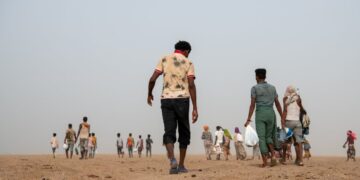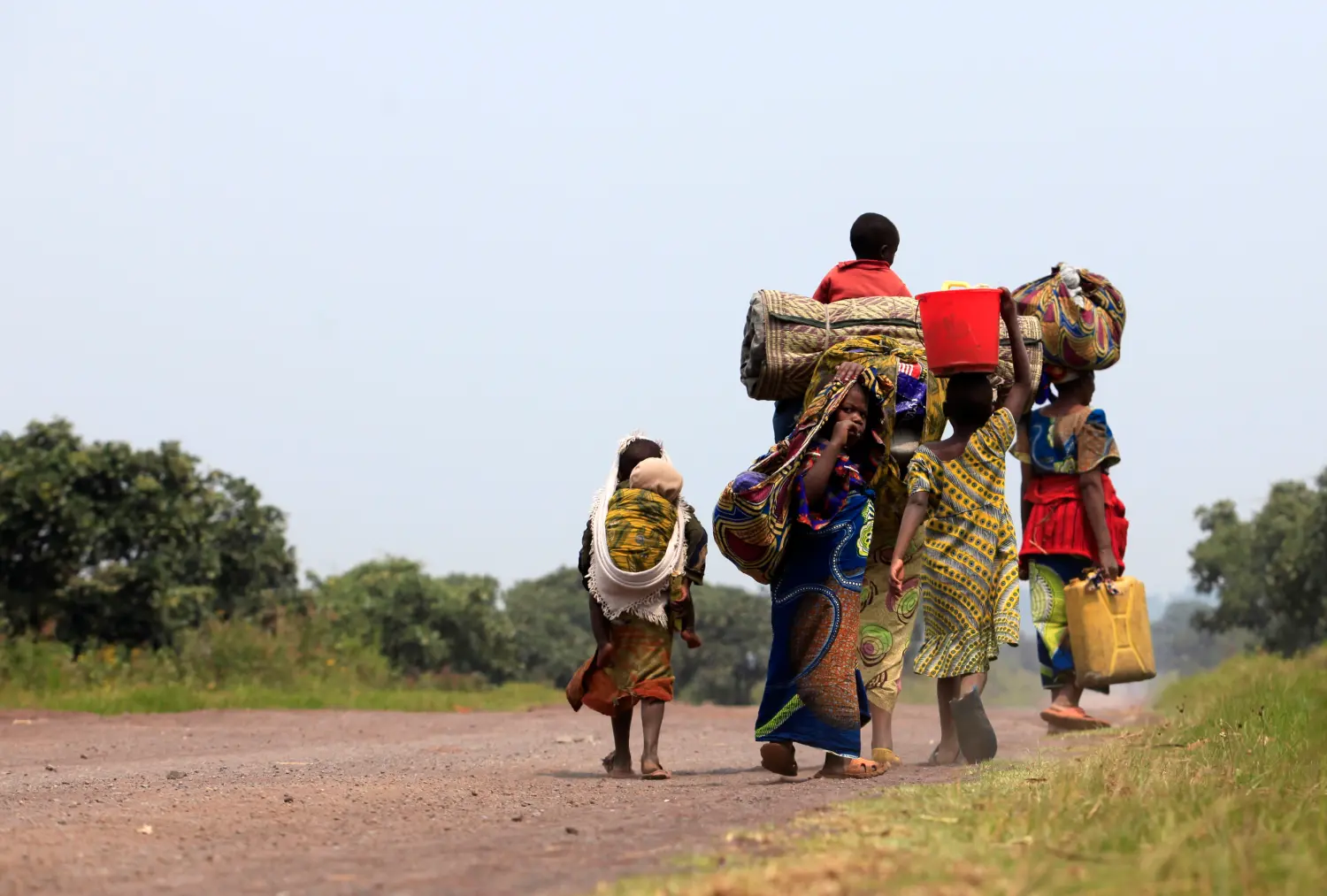
The number of internally displaced persons (IDPs) in the Horn of Africa reached a record 20.4 million in October, according to a recent report from the International Organisation for Migration (IOM). This figure marks a steep increase from August’s total of 19.9 million, reflecting the sustained and complex humanitarian crisis facing the region. The rise in displacement is largely attributed to escalating conflicts and environmental stressors, particularly in Sudan and Burundi.
Sudan has emerged as the epicentre of this crisis, with an unprecedented surge in displacement. In October, the country recorded 11.4 million internally displaced people, up from 10.7 million in August. This escalation is the highest yet seen in Sudan, driven largely by the protracted conflict which reignited in April 2023, compounded by severe seasonal floods. In its report, the IOM highlighted that since the conflict’s resurgence, Sudan has seen a total of 11.4 million people forcibly displaced, with 8.3 million within its borders and an additional 3.1 million seeking refuge in neighbouring countries.
Other nations in the Horn of Africa also bear significant IDP burdens, as the region contends with a confluence of conflict, environmental disasters, and endemic food insecurity. Somalia currently accounts for 3.5 million IDPs, while Ethiopia follows closely with 3.3 million, and South Sudan with 2 million. The climate-related crises impacting Ethiopia, Kenya, and Somalia are particularly severe, as heavy rains have triggered floods in some areas, while drought has parched others. Food insecurity exacerbates this displacement, as deteriorating agricultural conditions and a weakened economy have left millions in urgent need of assistance.



Alongside the swelling numbers of internally displaced, the region has also seen a sizeable refugee and asylum-seeker population. The Greater Horn of Africa recorded approximately 5.1 million refugees and asylum seekers in October, a slight decline from 5.4 million in August. Despite this marginal decrease, the refugee crisis remains severe and places significant strain on resources in host nations.

This displacement crisis exists within a broader context of acute food insecurity across the Horn of Africa, with the Food and Agriculture Organisation (FAO) and the Intergovernmental Authority on Development (IGAD) noting that 65 million people in the region faced food insecurity as of October. Of this population, 36 million individuals reside within IGAD member states. Food insecurity is expected to worsen in the coming months, with drought conditions persisting and climate shocks exacerbating the plight of already vulnerable communities. This precarious situation continues to challenge regional stability, raising concerns about the Horn of Africa’s resilience in the face of compounding humanitarian crises.
The Horn of Africa, with its vast geographic expanse and diverse political landscape, faces a uniquely compounded set of challenges, placing it among the most vulnerable regions globally. As Sudan grapples with internal conflict and climate-related displacements, other countries like Somalia and Ethiopia contend with destabilising internal strife and climate-induced hardships. Regional bodies, including the IGAD and UN agencies, are ramping up their calls for international aid to address the humanitarian catastrophe and reduce the suffering of millions.
The IOM’s report paints a grim portrait of the current landscape but serves as a crucial reminder of the urgent need for collaborative, sustained interventions. Without a coherent and robust response strategy, the displacement crisis across the Horn of Africa is likely to deepen, with millions more facing the prospect of upheaval, instability, and hardship.