


Kigali, Rwanda, played host to the 7th edition of the African Writers Conference (AWC) from October 22 to 27, 2024. This remarkable gathering, organized by the African Writers Development Trust (AWDT) in collaboration with Writers Space Africa (WSA) and its Rwanda chapter (WSA-R), brought together a diverse array of writers, publishers, and literary enthusiasts to celebrate and explore the transformative power of African storytelling. Under the theme “The Role of African Children’s Literature in Shaping the Youths,” the conference underscored the significance of literature in nurturing cultural identity and influencing the values and worldviews of young minds.
The week-long event was a rich blend of insightful discussions, engaging workshops, vibrant performances, and networking opportunities. Delegates from across the continent participated in creative writing workshops, panel discussions on literature’s impact on youth, and conversations on emerging issues like artificial intelligence in creative writing. Kigali’s literary scene came alive as the conference spotlighted not only the Rwandan storytelling tradition but also the continent’s collective literary prowess.



A highlight of the conference was the much-anticipated African Writers Awards ceremony, which recognized outstanding contributions in various literary categories. The evening was a celebration of the immense talent that Africa has to offer, showcasing works that reflect both the continent’s cultural richness and contemporary experiences.
The 3rd African Teen Writers Awards honored youthful talent in poetry and prose, resonating with the conference’s emphasis on literature as a catalyst for change among young Africans. Ghana’s Adrian Nyarko-Boateng clinched the first prize in the poetry category for “Right to Peace,” earning accolades for his emotive and thoughtful work. Meanwhile, Nigeria’s Sumaiyah Muhammad won the prose category with her compelling piece, “Five Things Mother Did not Prepare Me For,” securing a $100 prize.

The 7th African Writers Awards for Short Stories recognized “When Love Exits” by Elizabeth Dwamena-Asare of Ghana as the standout short story, awarding her the grand prize of $500. Dwamena-Asare’s story captivated judges with its depth and nuanced exploration of love and departure, underscoring the strength of African voices in modern literature.
Children’s literature took center stage with the 6th edition of the Wakini Kuria Prize for Children’s Literature. Kenya’s Grace Thuo won first place with her story, “A Close Call Honoured by Absentia,” receiving $200 for her engaging narrative that exemplifies the resilience and creativity found in children’s tales. Second place went to Cynthia Anjie Nkweti from Cameroon for her story, “Bee: One Another’s Keeper,” while Tanzania’s Laura Pettie claimed third place with “Nandera the Brave – A Tale of Triumph.” The winning stories echoed the theme of peace and heroism, showcasing the diverse storytelling traditions that captivate young readers.
The poetry scene was further enriched by the inaugural Wanjohi Prize for African Poetry, established to honor the legacy of Benny Wanjohi. Nigeria’s Eniola Abdulroqueeb Arowolo won first place for “At Vlekete Market,” taking home $100. His evocative work stood out for its vivid imagery and lyrical depth. The second place prize of $50 went to Ghana’s Gabriel Awuah Maino for “For Sale, African Drums Designed by Robots,” a piece that cleverly explored modernity and cultural preservation.
The AWC not only celebrated literary excellence but also provided an invaluable platform for African writers to share experiences, learn from seasoned professionals, and form lasting connections. The creative writing workshops accommodated small groups to foster intensive learning, while panel discussions on topics such as the impact of AI in creative writing and the future of African literature drew thoughtful contributions from experts and attendees alike.
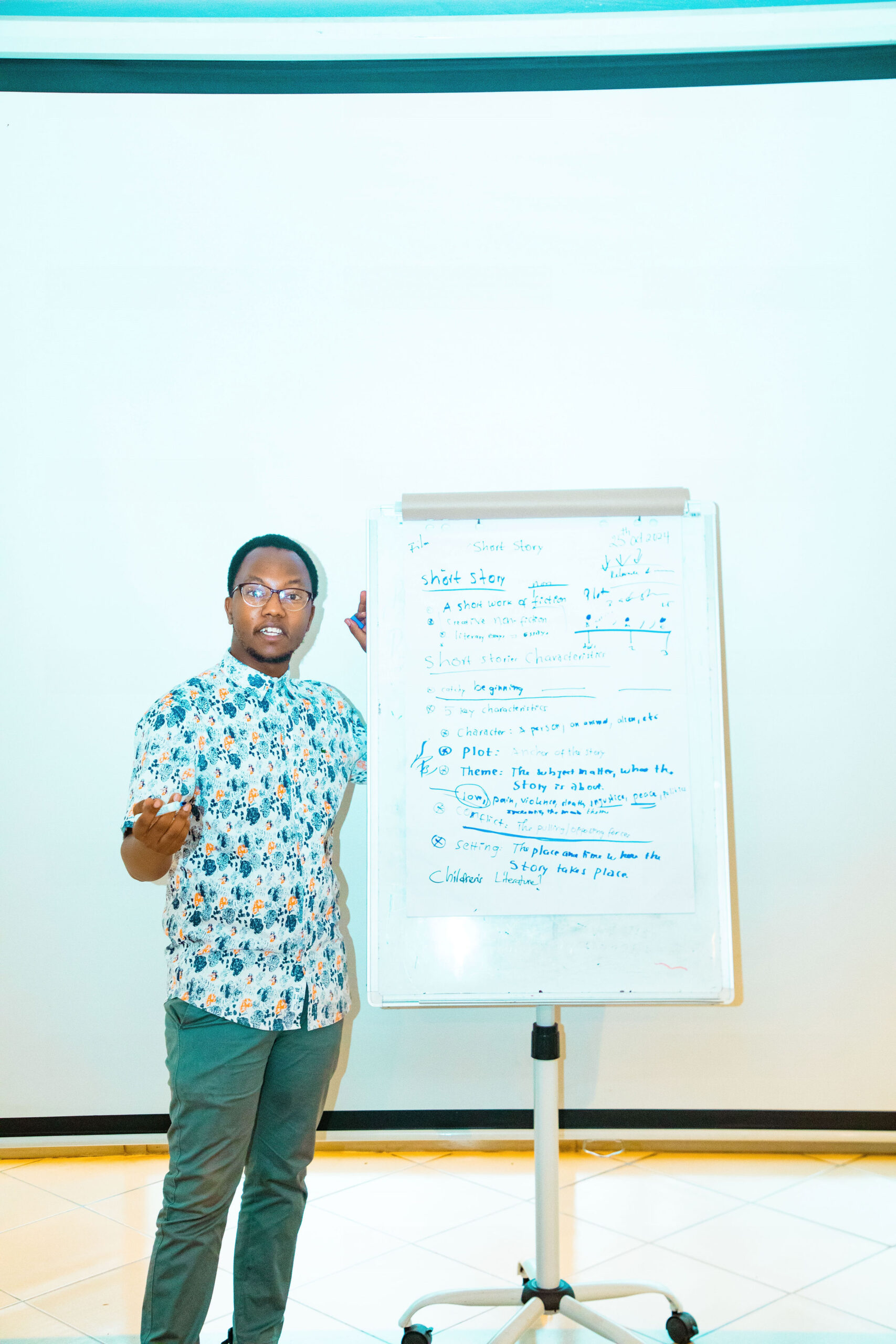
A highlight was the Writers Mingle, which brought writers and literature lovers together to exchange ideas and foster collaborations, reinforcing the sense of community that the AWC has cultivated over the years. The book exhibition showcased works from both established and emerging African authors, allowing attendees to immerse themselves in the breadth of contemporary African literature and support local authors. Entertainment infused the event with cultural vibrancy through captivating performances in spoken word poetry, storytelling, and theatre. These performances highlighted Africa’s rich oral tradition and storytelling heritage, leaving attendees inspired by the diverse ways in which stories can be told and shared.
As the 7th African Writers Conference concluded, it left behind a powerful message: African literature is not just thriving but evolving, with a renewed focus on nurturing the next generation through stories that resonate with cultural identity, values, and modern realities. The Kigali edition of the conference proved that literature is more than art—it is a tool for empowerment, education, and social cohesion.
Attendees departed with new insights, a sense of shared purpose, and the excitement of contributing to a literary movement that is shaping the continent’s narrative for future generations. The 2024 African Writers Conference will be remembered as a vibrant testament to the role of storytelling in influencing young minds and celebrating African voices in literature.


