South Sudan is poised to resume pumping crude oil through Sudan for export in the coming days, following the completion of critical repairs to a pipeline severely damaged in the ongoing civil conflict in Sudan. This announcement comes as a relief to South Sudan’s fragile economy, which relies on oil revenues for nearly 90% of its foreign exchange earnings, with Sudan benefiting from transit fees.
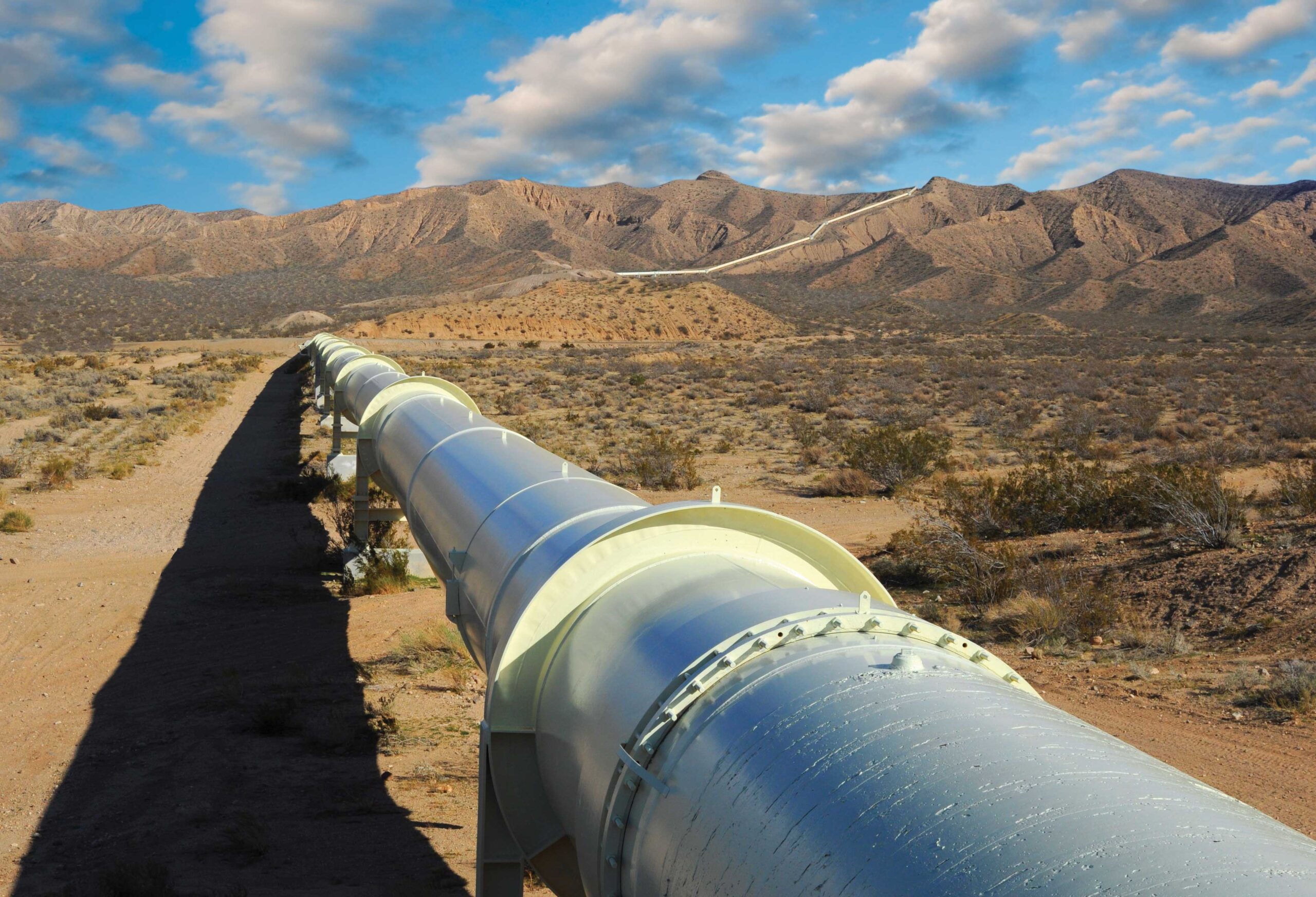
Tut Gatluak Manime, a South Sudanese official who recently led a delegation to Port Sudan to discuss the restoration of oil flows, confirmed that the necessary maintenance work on the pipeline is nearing completion. “We reviewed all the pipelines. Some sections were frozen but have now been cleaned with hot water and chemicals. The pipelines are ready for full oil production,” he told Reuters.
The ruptures in the pipeline occurred during fighting between Sudan’s army (SAF) and the paramilitary Rapid Support Forces (RSF), a conflict that has displaced millions since it erupted in April 2023. The ensuing humanitarian crisis has exacerbated food insecurity in the region, with rising commodity prices and environmental contamination caused by the oil spills further compounding the plight of those affected.



South Sudan had been exporting between 100,000 and 150,000 barrels of crude oil per day before the disruption. While no exact date has been provided for the resumption of oil flows, Manime stated that engineers from Sudan would arrive on Saturday to collaborate with South Sudanese energy officials on a detailed plan to restart operations.
This development is of significant consequence to both nations. For South Sudan, the resumption of oil exports is critical to stabilising its battered economy. Meanwhile, Sudan, which earns revenue from transit fees, faces growing economic instability amid its own internal conflict. With the international price of oil remaining volatile, a timely return to normalised oil exports could provide some fiscal relief to both countries.

The broader implications of this disruption have been felt across the Horn of Africa. Analysts report that the pipeline damage and subsequent suspension of oil production have not only led to environmental degradation in the form of oil spills but have also triggered sharp increases in food prices. The humanitarian crisis, driven by war and exacerbated by famine conditions, has left millions of people dependent on aid, a situation which could potentially worsen should further delays in oil production arise.
While the repairs mark a positive step forward, the fragile political situation in Sudan continues to pose risks to oil production stability. Ongoing conflict between the SAF and RSF means that further disruptions remain a looming threat. The oil pipeline serves as a critical economic artery for South Sudan, a country that gained independence from Sudan in 2011 and is still recovering from its own civil war, which lasted from 2013 to 2018.
Although there is hope that this agreement to restart oil exports will hold, the precariousness of the region’s security situation makes long-term sustainability far from certain.