Rwanda has secured a significant financial boost to its ambitious Green City Kigali initiative, with the Green Climate Fund (GCF) approving a grant of $28 million to support the development of climate-resilient, low-emission urban infrastructure in the nation’s capital. The grant, announced during the 40th GCF board meeting held in the Republic of Korea (ROK), is seen as a pivotal investment in Rwanda’s ongoing urban transformation and sustainability agenda.
The GCF, established in 2010 under the United Nations Framework Convention on Climate Change (UNFCCC), is the world’s largest climate fund. It aims to assist developing countries in achieving their climate-related goals, particularly in reducing emissions and adapting to the adverse impacts of climate change. The approval of Rwanda’s funding request underscores the importance of sustainable urban development in tackling the dual challenges of climate vulnerability and rapid urbanisation.
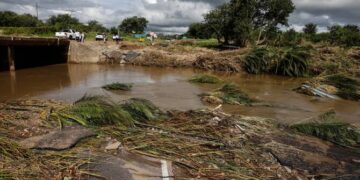
Kigali, Rwanda’s capital, is emblematic of the rapid urban growth that much of sub-Saharan Africa is experiencing. However, an estimated 77 percent of the city’s population currently resides in unplanned settlements, leaving many residents exposed to environmental risks such as flooding and landslides, which have been exacerbated by climate change. This project seeks to address these risks by introducing resilient infrastructure solutions that reduce vulnerability while promoting sustainability.




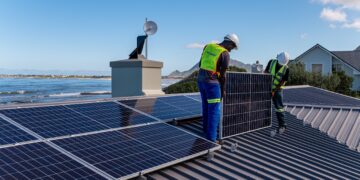
According to Rwanda’s Ministry of Environment, the Green City Kigali project is a flagship component of a broader urban transformation programme covering 600 hectares. This comprehensive plan aims to pioneer a model for sustainable city-building that could be replicated across Africa and beyond. At its core, the initiative will focus on constructing infrastructure designed to manage stormwater, ensure water security, harness renewable energy, and improve waste management. By addressing these foundational needs, the project promises to set a new benchmark for climate-resilient urban planning.
The initiative is also underpinned by a strong commitment to community development and economic inclusion. A Technical and Vocational Education and Training (TVET) centre will be established as part of the programme to foster skills in green construction and sustainable practices. This not only supports the development of necessary infrastructure but also helps build local capacity for long-term economic growth through green jobs, laying the groundwork for sustainable livelihoods.
Commenting on the approval of the grant, Rwanda’s Minister of Environment, Valentine Uwamariya, highlighted the importance of international partnerships in realising the project’s ambitious goals. “This agreement underscores the strength of our partnership at a critical time when the effects of climate change are increasingly evident. These impacts not only threaten the country’s economy but also pose serious risks to the lives of our people. This project represents a proactive step towards creating a sustainable urban environment and improving the quality of life for all Rwandans,” Uwamariya noted in a statement.
Henry Gonzalez, Chief Investment Officer at the Green Climate Fund, echoed these sentiments, pointing out the wider implications of the project for global urban planning. “This project not only represents a new model for urban development in Rwanda but has the potential to provide a template for other cities in Africa and around the world to plan resilient and sustainable urban development for a changing climate,” Gonzalez remarked.
The Green City Kigali project is expected to unfold over the next five years, during which Kigali will be transformed into a model for climate-resilient urban development. As urbanisation continues to accelerate in Africa, the success of projects like this will be critical in ensuring that cities not only accommodate growing populations but do so in a way that minimises environmental harm and enhances quality of life.
In the context of the global climate agenda, Rwanda’s project is significant. Cities account for approximately 70 percent of global carbon emissions, and urban infrastructure that is both sustainable and resilient is essential to achieving international climate targets. Kigali’s green city blueprint could therefore serve as a critical reference point for sustainable urban development in the Global South.
While the $28 million GCF grant represents an important contribution, it forms part of a much larger financial package needed to realise the full vision of the Green City Kigali. The total cost of the urban transformation plan is expected to exceed several hundred million dollars, with additional funding sources being sought to ensure its successful completion.
The project aligns with Rwanda’s broader climate strategy, which includes commitments under the Paris Agreement and a national plan to achieve carbon neutrality by 2050. With the backing of the Green Climate Fund and other international partners, Kigali may soon stand as a beacon of what is possible when sustainability is prioritised in urban development.