Wednesday, May 13, 2026
  • Login
The Southern African Times
  • Home
  • Southern Africa
  • Business
    • African Start ups
    • African Continental Free Trade Area
  • Technology
    • Lifestyle
      • Health
      • Culture
      • Food and Drink
      • Entertainment
  • Opinion
  • Sports
  • SAT Jobs
    • Events
  • About Us
    • Advertise with Us
    • Contact Us
No Result
View All Result
  • Home
  • Southern Africa
  • Business
    • African Start ups
    • African Continental Free Trade Area
  • Technology
    • Lifestyle
      • Health
      • Culture
      • Food and Drink
      • Entertainment
  • Opinion
  • Sports
  • SAT Jobs
    • Events
  • About Us
    • Advertise with Us
    • Contact Us
No Result
View All Result
The Southern African Times
No Result
View All Result
Home Culture

Milk Bars of Rwanda: Where Culture and Tradition Thrive in Every Sip

by Leo Muzivoreva
October 24, 2024
in Culture
0
Milk Bars of Rwanda: Where Culture and Tradition Thrive in Every Sip

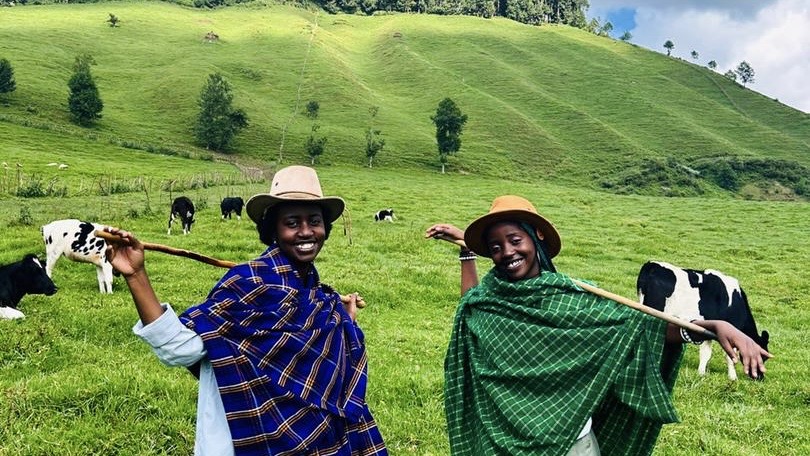
In Rwanda, milk bars are not just places to grab a drink—they are cultural institutions deeply intertwined with the country’s history and traditions. These unassuming establishments serve fresh and fermented milk, providing a unique window into Rwandan life and its long-standing reverence for milk. From bustling urban centres to remote rural villages, milk bars have become a staple of Rwandan communities, a symbol of both nourishment and cultural pride.

Milk holds an extraordinary place in Rwandan society, valued not just for its nutritional benefits but as a symbol of prosperity, life, and blessings. In Rwandan culture, milk is often referred to as “the drink of God,” and blessings such as gira amata (may you get milk) and gira inka (may you have a cow) are commonly exchanged. For many, milk is a sign of abundance and wealth, and cows are viewed with the highest respect, often gifted as a profound gesture of gratitude. As Lise Kiberwa, a local resident who spoke to The Southern African Times, puts it, “Milk is sacred, and that’s how we found it.”
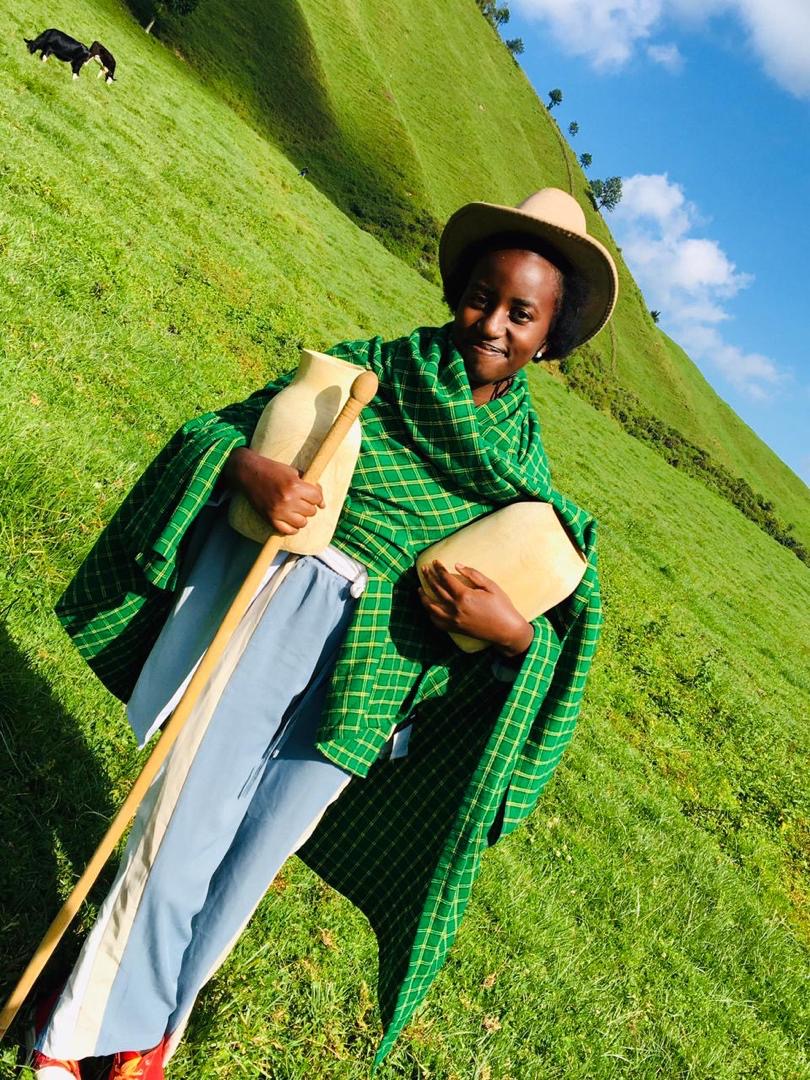
Lise Kiberwa pictured on the pastures of Bigogwe, a place renowned for tradition: Image supplied

Milk bars, while simple in nature, reflect this cultural reverence. These small establishments offer fresh and fermented milk, often accompanied by light snacks such as chapatis, doughnuts, or cakes. Some bars focus solely on serving milk, while others have expanded to include a variety of food items that complement the drink. What makes these milk bars unique is not just the beverage itself, but the sense of community they foster. In many rural areas, they serve as gathering points where people come to share stories over a glass of milk—a tradition that speaks to Rwanda’s deep connection to both milk and social unity.


ADVERTISEMENT

Kiberwa further explains that there is a cultural distinction between fresh and fermented milk, reflecting different preferences and social roles. “Most people, especially men, love fermented milk. It gives them the energy they need for heavy work, and they can take it and go a whole day without eating anything else,” she notes. While fresh milk is often favored by children and younger people, fermented milk, known locally as ikivuguto, is seen as more robust, providing sustenance for those engaged in physical labor.

The rise of milk bars has not only preserved tradition but has also evolved alongside Rwanda’s modernizing society. While they were once rare, today, milk bars can be found almost everywhere, particularly in rural areas. In cities like Kigali and Musanze, some bars have even adopted modern vending machines that allow customers to draw fresh milk themselves, demonstrating how the country’s technological advancements are being incorporated into even the most traditional of spaces.

Yet, despite these changes, milk bars still maintain strong ties to Rwanda’s rural farming communities. Local dairy industries, such as Inyange Industries and Mukamira Dairy, play a critical role in this, purchasing milk from small-scale farmers to produce products like yogurt and cheese, which are then sold back through milk bars. This system not only sustains local economies but also ensures that traditional milk products remain accessible to all.

For visitors to Rwanda, a trip to a milk bar offers more than just a taste of the country’s beloved beverage—it provides an opportunity to experience a cultural institution that has stood the test of time. Kiberwa suggests starting with fresh milk, but for the more adventurous, she recommends trying the local fresh cheese if visiting the Bigogwe region. “I’m not a fan of it myself,” she laughs, “but it’s something visitors might enjoy.”

Beyond their role as social hubs, milk bars serve as reminders of the cultural significance of milk in Rwanda. From traditional wedding ceremonies where the bride and groom are blessed with milk to the use of milk as a symbol of good fortune, the beverage is deeply embedded in the nation’s identity. It is even said that in case of poisoning, milk is considered an antidote, further highlighting the reverence Rwandans hold for it.

Rwanda’s love for milk extends beyond just its consumption. Many of the country’s traditional dances, such as the Umushayayo and Ikinyemera, are inspired by the graceful movements of cows, with dancers stretching their arms upward to mimic cow horns. This connection between milk, cows, and cultural expression underscores the central role that both the drink and the animals play in the life of the nation.

As Rwanda continues to modernize, its milk bars remain a testament to the country’s ability to blend tradition with progress. While the younger generation may own their own cows and visit milk bars less frequently than their elders, the importance of milk remains deeply ingrained in the culture. As Kiberwa observes, “It’s a part of who we are.”

In sum, Rwanda’s milk bars are more than just places to drink milk—they are cultural touchstones, preserving centuries-old customs and providing a space where the past and present come together in every glass. For Rwandans, milk is not just a beverage—it’s a blessing, a gift, and a cherished part of their national identity.

Tags: #Bigogwe#LeoMuzivoreva#LiseKibwera#MilkBars#NewsUpdate#TheSouthernAfricanTimes#TraditionafricaCultureKigalilifestylenewsRwanda
Previous Post

Indian Delegation Explores Expansive Investment Opportunities in Zimbabwe Following High-Level Talks

Next Post

Rwanda Secures $28 Million Green Climate Fund Grant for Groundbreaking Sustainable Urban Development in Kigali

Leo Muzivoreva

Related Posts

Zimbabwe Receives Repatriated Zimbabwe Bird and Ancestral Remains from South Africa
Culture

Zimbabwe Receives Repatriated Zimbabwe Bird and Ancestral Remains from South Africa

by SAT Reporter
April 16, 2026
AI Platform Aims to Reshape African Led Artefact Restitution Efforts
Culture

AI Platform Aims to Reshape African Led Artefact Restitution Efforts

by SAT Reporter
April 6, 2026
Netherlands Returns 119 Looted Artefacts to Nigeria in Landmark Repatriation Effort
Culture

Netherlands Returns 119 Looted Artefacts to Nigeria in Landmark Repatriation Effort

by SAT Reporter
June 22, 2025
Discovering Africa Through African Eyes at Dakar’s Museum of Black Civilisations
Culture

Discovering Africa Through African Eyes at Dakar’s Museum of Black Civilisations

by SAT Reporter
May 22, 2025
London 2025: 125 Years After the First Pan-African Conference, Reparations Take Centre Stage
Culture

London 2025: 125 Years After the First Pan-African Conference, Reparations Take Centre Stage

by SAT Reporter
March 22, 2025
Next Post
Rwanda Secures $28 Million Green Climate Fund Grant for Groundbreaking Sustainable Urban Development in Kigali

Rwanda Secures $28 Million Green Climate Fund Grant for Groundbreaking Sustainable Urban Development in Kigali

Browse by Category

  • Africa AI
  • African Continental Free Trade Area
  • African Debt
  • African Start ups
  • Agriculture
  • AI Africa
  • Algeria
  • All News
  • Analysis
  • Angola
  • Arts / Culture
  • Asia
  • Botswana
  • BOTSWANA
  • BREAKING NEWS
  • BRICS
  • Burkina Faso
  • Burundi
  • Business
  • Business
  • Business Wire
  • Cameroon
  • Central Africa
  • Chad
  • China
  • Climate Change
  • Climate Changev
  • Community
  • Congo Republic
  • Conservation
  • Côte d’Ivoire
  • COVID 19
  • CRYPTOCURRENCY
  • Culture
  • Democratic Republic of Congo
  • Diplomacy
  • Eastern Africa
  • Economic Development
  • Economy
  • Education
  • Egypt
  • Elections 2024
  • Energy
  • Entertainment
  • Environment
  • Eritrea
  • Ethiopia
  • Europe
  • Fashion
  • Feature
  • Finance
  • Financial Inclusion
  • Food
  • Food and Drink
  • Foods
  • GABON
  • Ghana
  • Global
  • Global Africa
  • Guinea
  • Health
  • Immigration
  • in Southern Africa
  • International news
  • International Relations
  • Investment
  • Ivory Coast
  • Just In
  • Kenya
  • Lesotho
  • Libya
  • Life Style
  • Lifestyle
  • Literature
  • Malawi
  • Malawi
  • Mali
  • Markets
  • Mauritius
  • Middle East
  • Mining in Africa
  • Morocco
  • Mozambique
  • Namibia
  • Niger
  • niger
  • Nigeria
  • North Africa
  • North-Eastern Africa
  • Obituaries
  • Obituary
  • Opinion
  • PARTNER CONTENT
  • Politics
  • Property
  • Racism
  • Rwanda
  • Rwanda
  • SADC
  • SAT Interviews
  • SAT Investigation
  • SAT Jobs
  • Saudi Arabia
  • Senegal
  • Seychelles
  • Somaliland
  • South Africa
  • South Sudan
  • Sports
  • Startup Africa
  • STOCK EXCHANGE
  • Sudan
  • Sustainability
  • Sustainablity
  • Tanzania
  • Technology
  • Telecommunications
  • The Editorial Board
  • The Power Of She
  • Togo
  • Trade
  • Travel
  • Travel
  • Tunisia
  • Uganda
  • Uncategorized
  • Wealth
  • West Africa
  • World
  • World
  • Zambia
  • ZAMBIA
  • ZIMBABWE
  • Zimbabwe

Browse by Tags

#NewsUpdate #SouthAfrica #SouthernAfricanTimes #TheSouthernAfricanTimes AfCFTA africa African Continental Free Trade Area African development African Development Bank African economies African economy African Union Agriculture Angola Botswana Business China Climate change Cyril Ramaphosa Economic Development economic growth energy transition fiscal policy industrialisation Inflation Infrastructure Infrastructure Development International relations Investment Kenya Mozambique Namibia news Nigeria Regional Integration renewable energy Rwanda SADC South Africa Southern Africa sustainable development Tanzania United States Zambia Zimbabwe
ADVERTISEMENT

WHO WE ARE

The Southern African Times is a regional bloc digital newspaper that covers Southern African and world news. The paper also gives a nuanced analysis on news and covers a wide range of reporting which include sports, entertainment, foreign affairs, arts and culture.

Welcome Back!

Login to your account below

Forgotten Password?

Retrieve your password

Please enter your username or email address to reset your password.

Log In

  • Home
  • Southern Africa
  • Business
    • African Start ups
    • African Continental Free Trade Area
  • Technology
    • Lifestyle
      • Health
      • Culture
      • Food and Drink
      • Entertainment
  • Opinion
  • Sports
  • SAT Jobs
    • Events
  • About Us
    • Advertise with Us
    • Contact Us
Are you sure want to unlock this post?
Unlock left : 0
Are you sure want to cancel subscription?