The South African government has expressed profound unease regarding the “continuing escalation of military action by the State of Israel” in both Palestine and Lebanon, as articulated by the Department of International Relations and Cooperation (DIRCO). This announcement comes amidst an intensifying conflict that has sparked global alarm and calls for restraint from various international entities.
DIRCO spokesperson Chrispin Phiri emphasised that South Africa stands in solidarity with the concerns raised by United Nations Secretary-General Antonio Guterres, who recently articulated his “alarm” at the escalating violence, warning of a potential region-wide conflict. Phiri’s statement highlighted the vulnerability of civilian populations, asserting, “South Africa calls on all parties to exercise the utmost restraint and avoid any acts that would escalate tensions in a particularly fragile region, as vulnerable groups suffer the most in conflict.”
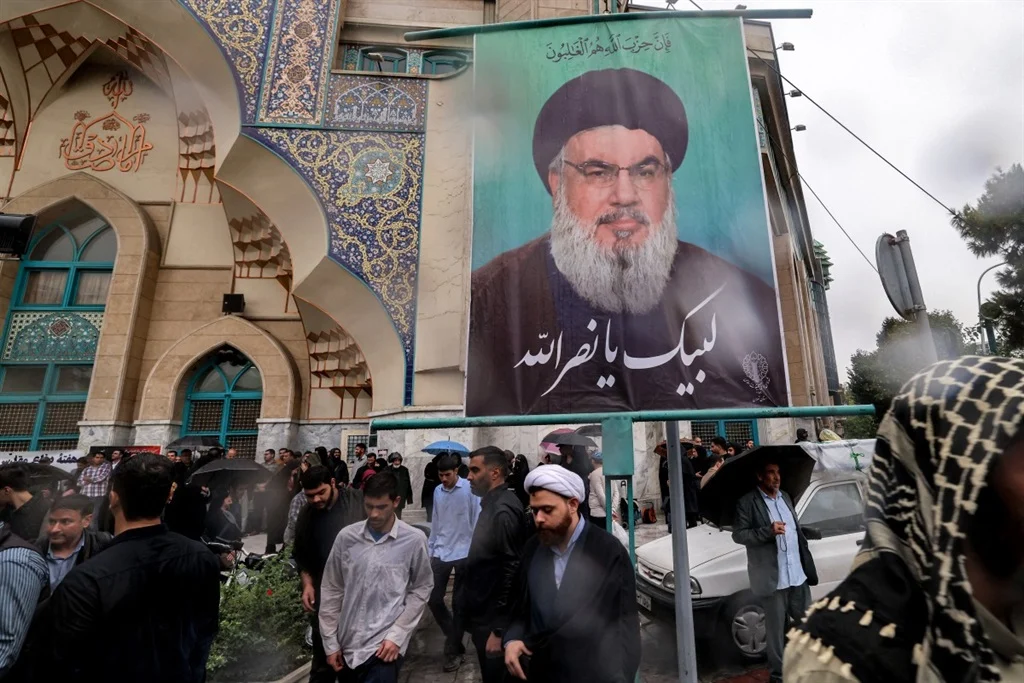
The gravity of the situation is compounded by the troubling response from Iran’s foreign ministry, which condemned the actions taken by Israel and further escalated tensions in the region. The volatile exchange of hostilities, characterised by Israeli attacks on Lebanon leading to significant civilian casualties, coupled with missile retaliations from Hezbollah and Iran, illustrates the precariousness of the current landscape.



Phiri’s remarks reflect a broader commitment by the South African government to advocate for peaceful dialogue as a means of resolving conflicts. He asserted, “South Africa calls on the international community, particularly the United Nations Security Council, to address the spiralling conflict,” urging immediate action to restore peace.


Additionally, the South African government has been unyielding in its stance regarding Israel’s “continued occupation” of Palestinian territories, which it claims has stripped Palestinians of their right to self-determination and obstructed peace efforts. The government’s previous characterisation of the situation as tantamount to “genocide” against Palestinians resonates with its ongoing advocacy for international attention to this pressing humanitarian issue, especially following its initiative to bring the matter before the International Court of Justice in The Hague last year.
The recent developments in the region raise significant concerns not only for the immediate safety of civilians caught in the crossfire but also for the stability of international relations in a region already fraught with complexity. As tensions continue to rise, the call for restraint and diplomatic engagement becomes increasingly critical.