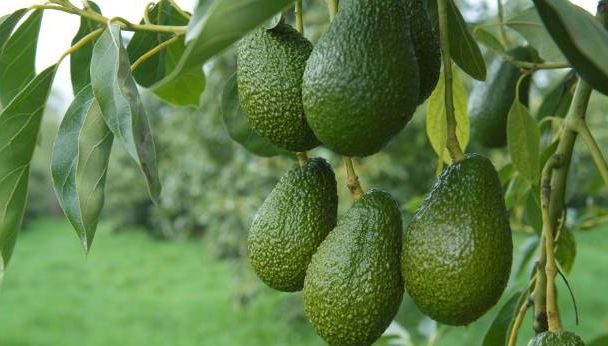
Africa’s fertile soil is nurturing a burgeoning industry with the potential to transform its agricultural landscape: avocados. Known as “green gold,” avocados have surged in global demand, driven by their nutritional profile and growing popularity in both the food and cosmetics industries. As Europe’s appetite for avocados continues to swell, Africa’s prospects for becoming a leading supplier are increasingly promising. However, the continent’s ability to seize this opportunity hinges on overcoming significant challenges through strategic investments and leveraging continental trade frameworks like the African Continental Free Trade Area (AfCFTA).
The State of Play: Africa’s Avocado Industry
Kenya leads the continent, producing 345,000 tons of avocados annually, followed closely by South Africa and Tanzania. Despite these impressive figures, Africa’s avocado output represents a mere fraction of its potential. The continent’s vast tracts of arable land, favourable climate, and lower labour costs position it as a natural competitor to current dominant exporters from Latin America and Israel. Yet, less than 10% of African avocado production reaches international markets, with the majority consumed domestically.
This imbalance underscores both the promise and the peril of Africa’s avocado sector. On one hand, the potential for exponential growth in production and exports is palpable. On the other, a host of challenges—ranging from inadequate infrastructure to limited technological adoption—impedes the industry’s ability to reach global markets.



Overcoming Obstacles: Key Challenges and Potential Solutions
For African avocado farmers, the road to global competitiveness is littered with obstacles. Lack of access to finance remains a perennial challenge, particularly for smallholder farmers who dominate the sector. Without the capital to invest in modern farming techniques, infrastructure, and technology, many are unable to scale their operations or improve productivity.

Infrastructure deficits further exacerbate the situation. Poor road networks, unreliable electricity, and inadequate cold chain logistics hinder farmers’ ability to transport their produce efficiently, resulting in significant post-harvest losses—up to 40% in some regions. This not only diminishes profitability but also undermines the continent’s capacity to meet growing global demand.
Pests and diseases, such as the pernicious false codling moth and anthracnose, pose additional threats to avocado yields. The lack of effective pest control measures and limited access to biopesticides leave many farmers vulnerable to devastating losses. Moreover, climate change is emerging as a formidable adversary, with rising temperatures and erratic weather patterns threatening to destabilise avocado production across the continent.
Despite these daunting challenges, the path forward is clear. A multifaceted strategy, underpinned by increased access to financing, investment in infrastructure, and enhanced research and development (R&D), is essential to unlocking Africa’s avocado potential.
Financing the Future: Leveraging Investments and Technology
Governments and development organisations must prioritise financial inclusion for smallholder farmers, offering loans, grants, and microfinance options tailored to their unique needs. Subsidised credit lines and loan guarantees could further catalyse investment in the sector, enabling farmers to adopt improved farming techniques, invest in irrigation systems, and expand their operations.
Technology will be a critical enabler of this transformation. Incentives, training programmes, and subsidies are needed to promote the adoption of advanced agritech solutions, such as GPS-based applications, drones, soil sensors, and precision agriculture tools. These technologies can significantly enhance farm management, boost yields, and improve market access.
Infrastructure development is equally crucial. Investments in roads, irrigation systems, electricity, and cold storage facilities will not only reduce post-harvest losses but also increase the efficiency and profitability of avocado farming. Moreover, developing robust value chains, with a focus on processing and value addition, will enable African avocado producers to tap into higher-value markets.
Research and Development: The Heart of Innovation
R&D is the bedrock of a thriving avocado industry. The Kenya Agricultural and Livestock Research Organisation (KALRO) is at the forefront, breeding high-yield, pest-resistant avocado varieties and pioneering research on post-harvest handling and value addition. Collaborative efforts between research institutions, such as the World Agroforestry Research Centre in Kenya and the South African Avocado Growers’ Association, are vital for developing innovative solutions tailored to African conditions.
Climate adaptation strategies must also be integrated into these R&D efforts. Developing stress-tolerant avocado varieties, coupled with providing farmers with access to climate information services, will be essential in safeguarding the industry against the unpredictable impacts of climate change.
AfCFTA: A Catalyst for Continental Growth
The AfCFTA presents an unprecedented opportunity to scale Africa’s avocado industry. By eliminating tariffs on 90% of goods traded between member states, AfCFTA will enhance regional market access for avocado producers, fostering economies of scale and driving investment in infrastructure and R&D. The framework also offers a platform for sharing best practices and promoting regional collaboration, essential for building a competitive and resilient avocado industry.
The Road Ahead: Seizing the Green Gold
The global avocado market is poised for sustained growth, with demand expected to rise by 8% annually in the coming years. Africa, with its competitive advantages and untapped potential, is well-positioned to capture a significant share of this expanding market. However, realising this potential will require a concerted effort from governments, businesses, and development partners.
The time to act is now. By addressing the challenges that currently constrain Africa’s avocado sector—through strategic investments, technological adoption, and leveraging AfCFTA—the continent can unlock its “green gold” and emerge as a formidable player in the global avocado trade. This not only promises to generate millions of jobs and elevate farmers’ incomes but also holds the potential to transform Africa’s agricultural landscape, driving sustainable economic growth across the continent.

In this context, the question is not whether Africa can become a global avocado powerhouse, but rather whether its leaders will muster the vision and will to capitalise on this golden opportunity.