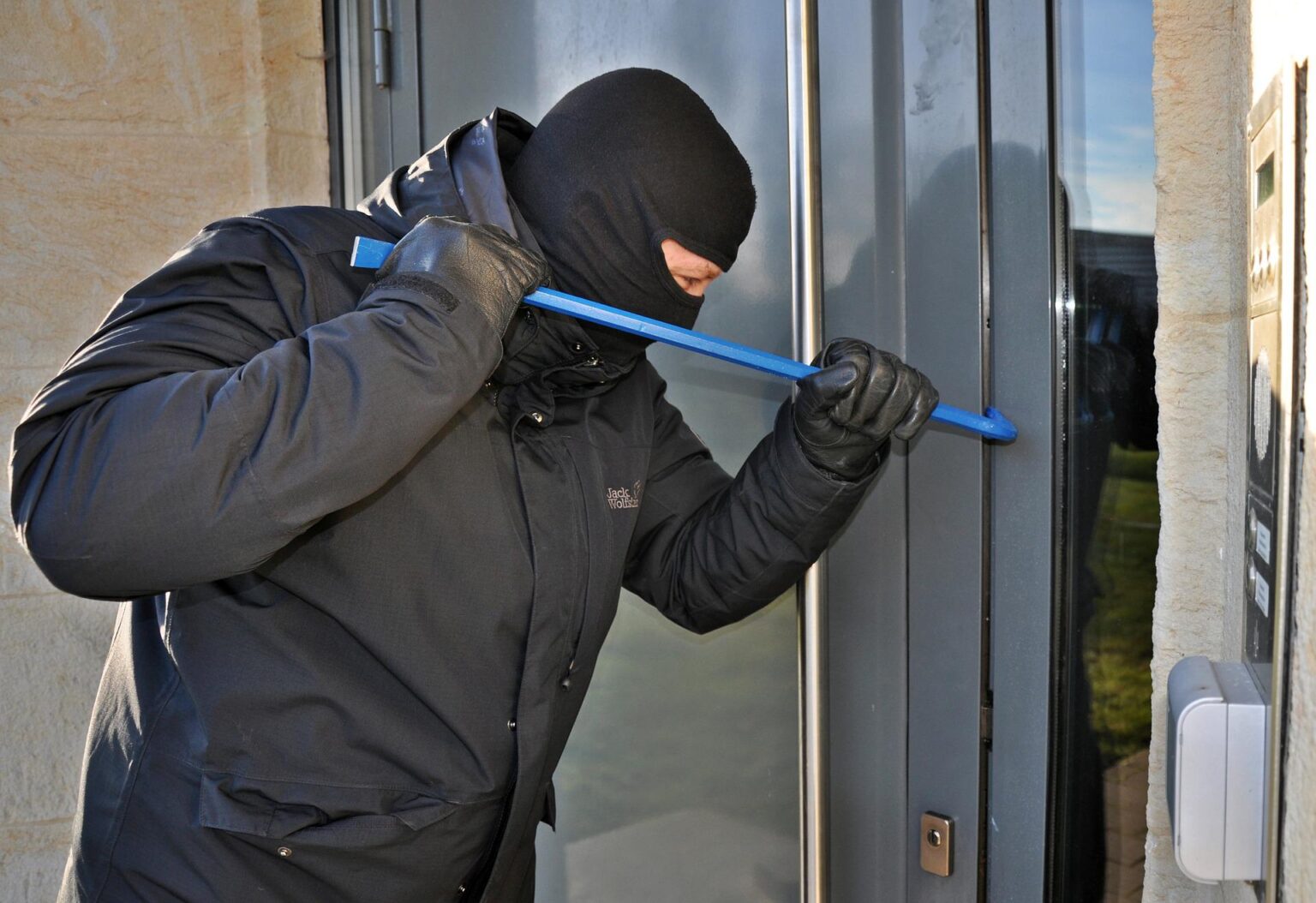
South Africa witnessed a staggering 1.5 million housebreaking incidents in the 2023/2024 financial year, impacting 1.1 million households, according to the latest crime statistics released by Statistics South Africa (Stats SA). This figure, which represents 5.9 per cent of all households nationwide, underscores the pervasive nature of property crime in the country.
The report, part of the Governance, Public Safety and Justice Survey—Victims of Crime Report, reveals a troubling trend: only 44 per cent of households affected by housebreaking chose to report these incidents to the police, raising concerns about public trust in law enforcement and the efficacy of crime reporting mechanisms.
In addition to housebreaking, the report sheds light on home robberies during the same period. An estimated 263,000 home robberies occurred, affecting 209,000 households. Statistician-General Risenga Maluleke emphasised that these figures reflect a broader crisis in public safety, with violent crime and property theft becoming increasingly common.
“The theft of personal property remains one of the most prevalent crimes affecting South Africans aged 16 and older, with approximately 1.4 million incidents reported in 2023/2024, impacting 1.3 million individuals,” Maluleke noted. This finding is indicative of a broader malaise in urban and rural areas alike, where personal security is under continuous threat.
Street robbery emerged as the second most common crime experienced by individuals, with an estimated 497,000 incidents affecting 443,000 people. Alarmingly, only 44.2 per cent of victims reported some or all of these incidents to the police, reflecting a pervasive reluctance to engage with law enforcement. The report further highlighted the physical and psychological toll of such crimes, with 24 per cent of victims sustaining injuries, 66 per cent requiring medical attention, and a mere 3.6 per cent receiving counselling.
The spectre of assault also looms large in the crime landscape, with 295,000 individuals reporting 506,000 incidents of assault during the period. Notably, knives were used in over 55 per cent of these attacks, pointing to a worrying escalation in the severity of violent crime.
The comprehensive crime report also delved into other critical areas of public safety, including motor vehicle hijacking, murder, sexual offences, and consumer fraud. Furthermore, it evaluated public perceptions of safety, police effectiveness, and the performance of the judicial system, painting a grim picture of the challenges facing South Africa.
These statistics are likely to fuel ongoing debates about the state of law and order in the country, as well as the urgent need for reforms in policing and crime prevention strategies. As South Africa grapples with these alarming trends, the role of public institutions in safeguarding citizens and restoring confidence in the rule of law remains a critical priority.