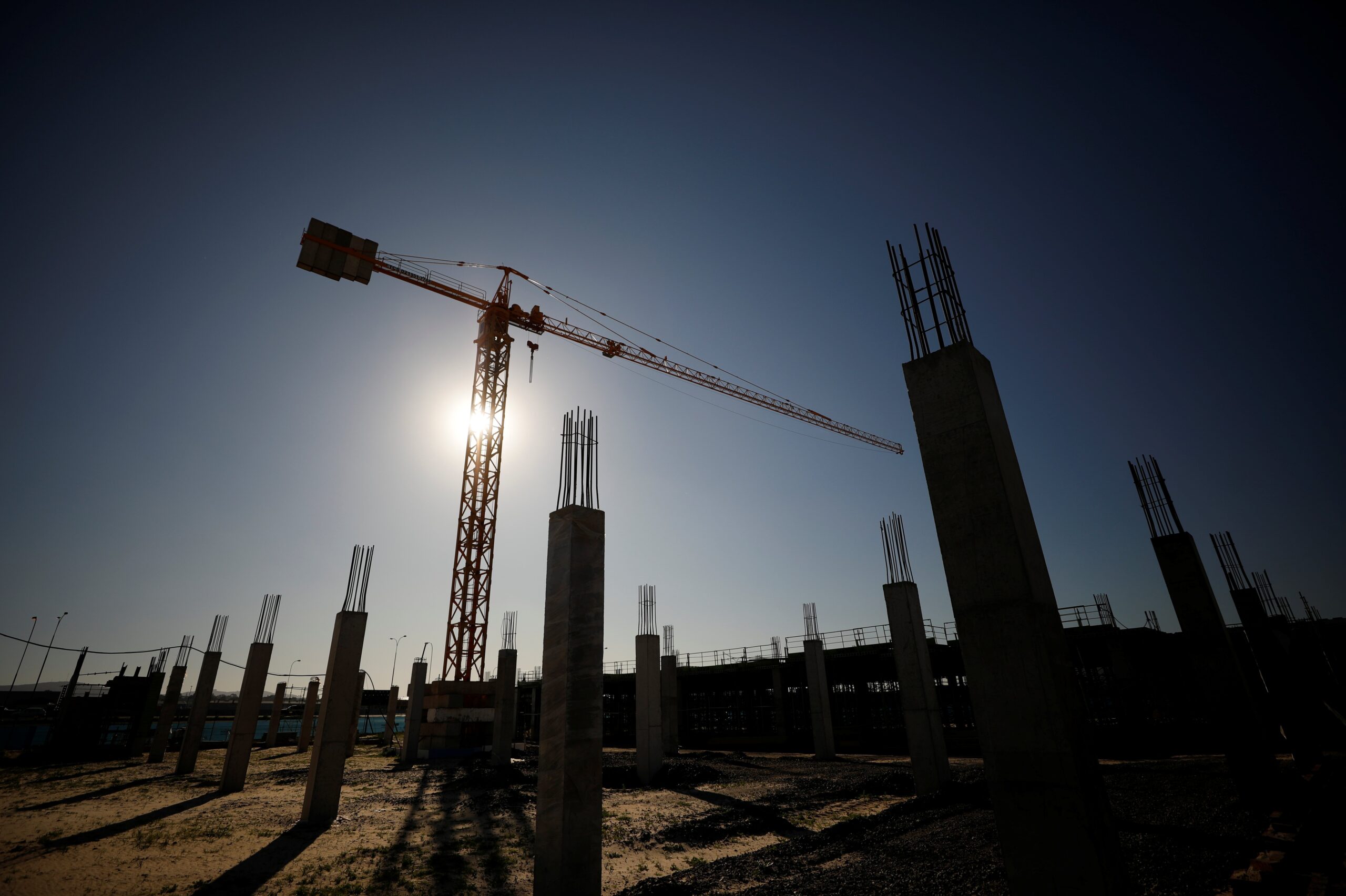
South Africa’s construction industry emerges as a focal point for both public and private sector investment, projected to grow by a modest 1.3% in real terms in 2024. This growth, underpinned by significant fiscal commitments and a strategic pivot towards renewable energy, positions the sector as a potential engine of economic revival.
The South African government’s Fiscal Year 2024-25 Budget delineates an ambitious expenditure of ZAR2.4 trillion (£127.6 billion), with notable allocations including ZAR480.6 billion (£25.9 billion) for learning and culture, ZAR387.3 billion (£20.9 billion) for social development, ZAR265.3 billion (£14.3 billion) for community development, and ZAR255.4 billion (£13.8 billion) for economic development. These figures underscore a comprehensive strategy aimed at bolstering human capital and infrastructural capacity, laying a foundation for sustainable economic growth.
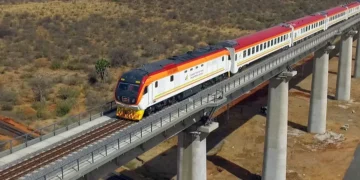
A cornerstone of this strategy is the revitalisation of the national road network, managed by the South African National Roads Agency SOC Limited (SANRAL). In 2024, SANRAL anticipates issuing tenders totalling ZAR6.43 billion (£346.2 million) for the maintenance and enhancement of critical road infrastructure. The flurry of activity observed in the latter half of 2023, with the issuance of 77 tenders and the receipt of approximately 1,040 bids, reflects a robust demand for infrastructure development, providing a much-needed impetus to the construction sector.



Looking beyond the immediate horizon, the construction industry is expected to experience an average annual growth rate of 3.7% during the 2025-28 period. This forecast is bolstered by strategic investments in renewable energy and industrial development, as South Africa transitions from a coal-dependent energy system to a more sustainable energy mix. The government’s Integrated Resource Plan (IRP), updated in January 2024, sets an ambitious target of increasing the share of renewables in the national electricity mix from 11% in 2019 to 41% by 2030. This transition is coupled with the planned decommissioning of 8-12GW of coal-fired power plants by the decade’s end.
The recent announcement by Deputy President Paul Mashatile of a ZAR230 billion (£12.4 billion) investment in infrastructure projects further accentuates the administration’s commitment to this sector. Emphasising public-private partnerships and regional collaborations, this investment seeks to galvanise a broad spectrum of infrastructural developments, from urban transportation networks to rural electrification projects.

A pivotal development in the renewable energy sector is the contract awarded to the Danish wind energy company Vestas by the South African Department of Energy. This agreement encompasses the construction of five new wind farms, cumulatively providing a capacity of 297MW. These projects, alongside other initiatives delineated in the IRP, are integral to South Africa’s long-term objective of achieving a net-zero electricity sector by 2050.
As the industry navigates this transformative landscape, stakeholders are advised to carefully assess market opportunities and potential risks. The evolving regulatory environment, coupled with competitive pressures, necessitates a nuanced understanding of the sector’s dynamics. This includes evaluating the impact of macroeconomic factors, such as currency fluctuations and inflation, which could affect project costs and timelines.
In conclusion, South Africa’s construction industry stands at a critical juncture. With substantial investments slated for both traditional infrastructure and innovative energy solutions, the sector is poised to play a pivotal role in the nation’s economic resurgence. For investors and policymakers alike, the emphasis must remain on fostering a conducive environment for growth, ensuring that the sector not only contributes to immediate economic recovery but also aligns with the broader goals of sustainable development and social equity.