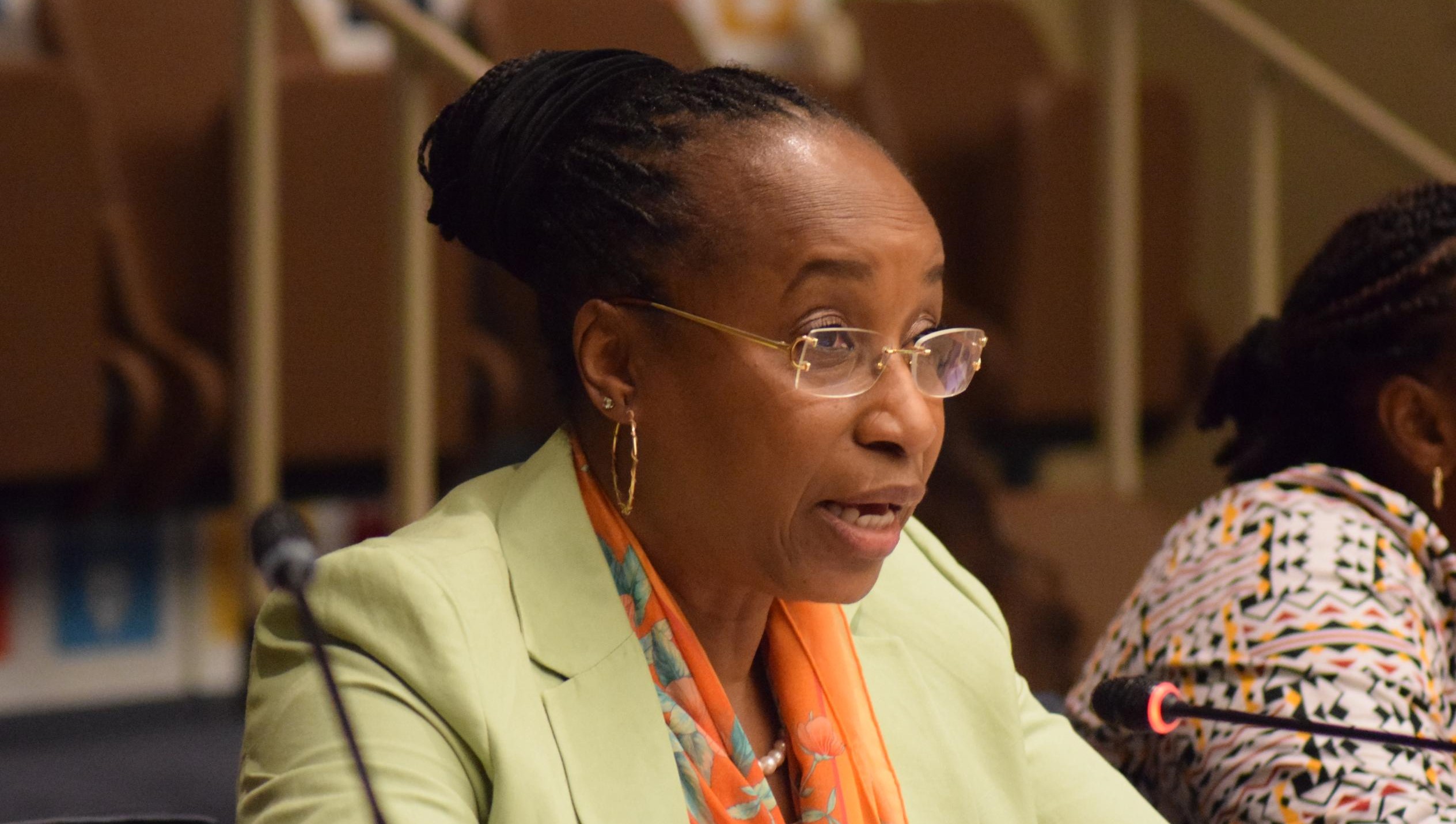
The United Nations Industrial Development Organization (UNIDO) has underscored the critical role of innovation in driving sustainable industrial development in Africa. In a keynote address at the Harare International Conference Centre (HICC) this afternoon, Ms Fatou Haidara, UNIDO Deputy to the Director General and Managing Director, highlighted the organisation’s mandate to foster inclusive and sustainable industrial development.
“UNIDO remains steadfast in its mission to drive forward innovative solutions and international cooperation. Our goal is to tackle global challenges head-on and ensure that no one is left behind in the march towards sustainable development,” Haidara stated.
Ms Haidara pointed out that by providing equal opportunities for all members of society, particularly women and youth, to participate in and benefit from the innovation-driven economy, the benefits of innovation and industrialisation can be more widely distributed. “By providing equal opportunities for all members of society, particularly women and youth, to participate in and benefit from the innovation-driven economy, we can ensure that the benefits of innovation and industrialisation are inclusive,” she added.



Emphasising the importance of focusing on high-growth sectors, Ms Haidara highlighted manufacturing, renewable energy, and information technology as key areas. These sectors are crucial for creating jobs, increasing productivity, and driving economic diversification.
“Manufacturing remains a cornerstone of economic development, providing a solid foundation for industrial growth. Renewable energy is critical for a sustainable future, reducing our carbon footprint and promoting environmental stewardship. Information technology, on the other hand, is revolutionising industries, driving innovation, and opening new frontiers for economic activity,” Haidara noted.
Firas Ghanem, an industrial development expert at digital transformation and artificial intelligence strategies at UNIDO, explored the transformative potential of artificial intelligence (AI) in industrial development. He emphasised the role of AI in digitalisation, which is changing the industrial landscape.

“AI is revolutionising the industrial landscape. From predictive maintenance and supply chain optimisation to quality control and production planning, AI-driven solutions are reshaping how industries operate, making them more efficient and competitive,” Ghanem stated.
Ghanem also addressed the broader implications of AI in fostering sustainable development and economic growth. “By integrating AI into industrial processes, we can not only boost productivity but also contribute to a greener and more sustainable future. Embracing AI is no longer optional; it is essential for future-proofing our industries and ensuring long-term growth and resilience,” he added.
The emphasis on leveraging cutting-edge technologies to boost economic diversification and resilience aligns seamlessly with the goals of the Southern African Development Community (SADC) Industrialisation Week. This event fosters a collaborative environment where innovative solutions are shared and implemented, promoting regional industrialisation and economic growth.
Ms Haidara also highlighted UNIDO’s initiatives aimed at capacity building and skills development in Africa. “We are committed to enhancing the skills and capabilities of local populations, ensuring that they are well-equipped to participate in and drive the industrialisation process,” she said. This commitment includes technical training programmes, partnerships with educational institutions, and initiatives to promote STEM (Science, Technology, Engineering, and Mathematics) education among young people.
In addition to technical skills, UNIDO is focused on fostering entrepreneurial spirit and innovation among Africa’s youth. By supporting start-ups and small and medium-sized enterprises (SMEs), UNIDO aims to create a dynamic and resilient industrial sector. “Our support for SMEs is crucial as they are the backbone of the economy, driving innovation and providing employment opportunities,” Ms Haidara explained.
UNIDO’s efforts also extend to promoting sustainable practices in industrial development. By advocating for environmentally friendly technologies and processes, the organisation aims to minimise the ecological footprint of industrial activities. “Sustainability is at the heart of our mission. We encourage industries to adopt green technologies and practices that not only boost productivity but also protect our planet,” Haidara noted.
The organisation’s approach is holistic, integrating economic, social, and environmental dimensions of development. By addressing these interconnected aspects, UNIDO aims to create a balanced and inclusive industrialisation process that benefits all segments of society.
As the global community strives to meet the Sustainable Development Goals (SDGs), UNIDO’s role in championing innovation and sustainable industrial development becomes increasingly important. Through its initiatives and partnerships, the organisation is paving the way for a more inclusive and sustainable future.
In conclusion, the keynote address by Ms Fatou Haidara and the insights provided by Firas Ghanem underscore the critical role of innovation, technology, and inclusive practices in driving sustainable industrial development in Africa. By focusing on high-growth sectors, promoting skills development, and advocating for sustainable practices, UNIDO is making significant strides towards achieving its mission of inclusive and sustainable industrial development. The organisation’s efforts not only contribute to economic growth but also ensure that this growth is equitable and environmentally responsible.