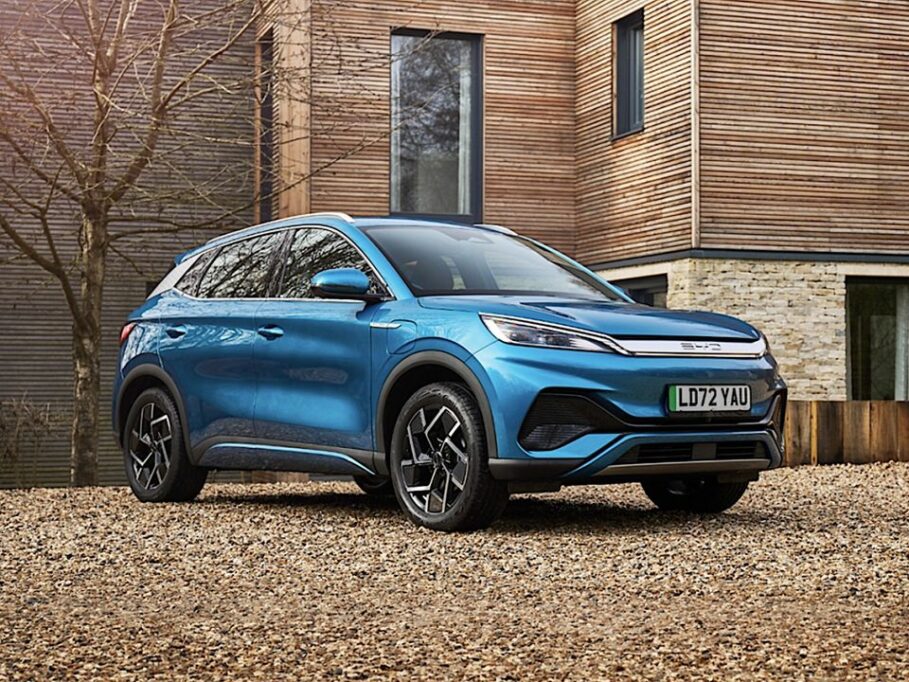
In response to heightened tariffs imposed by the European Union and the United States on Chinese electric vehicles (EVs), Chinese manufacturers are turning their attention towards Africa, viewing it as a promising new market for their products.
The European Commission’s decision to levy additional tariffs of up to 38% on imported Chinese EVs, effective from July 4, followed by similar plans from the US to quadruple duties, has prompted strategic shifts within the global EV industry. Zhou Jiang, vice-president of Neta Auto, a prominent Chinese EV maker, labelled these tariffs as protectionist measures that are compelling Chinese companies to explore alternative markets.
Zhou Jiang expressed confidence that these tariff increases are temporary setbacks rather than permanent barriers. “We believe that these policies or obstacles are temporary or short-term,” Zhou asserted during the launch of Neta Auto’s first African store in Nairobi, Kenya. This move marks a significant milestone in Neta’s global expansion strategy, signalling the beginning of what Zhou describes as “a new phase of EVs entering the African market.”



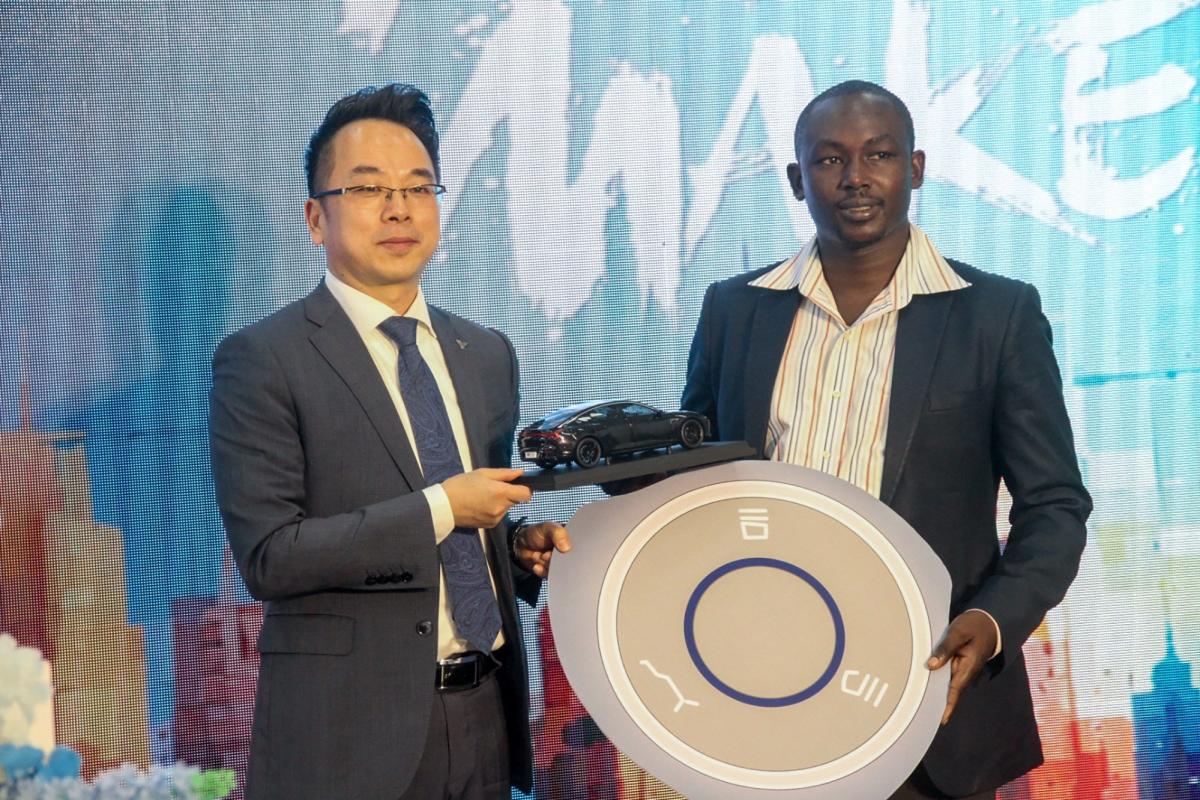
The decision to establish a foothold in Africa reflects broader industry trends. Other major Chinese EV manufacturers such as BYD, Geely, and Dongfeng Motor are also intensifying their focus on the continent, viewing its burgeoning EV market as a pivotal growth opportunity.
China’s proactive engagement with Africa in the realm of electric vehicles extends beyond mere market exploration. Neta Auto, for instance, has entered into a partnership with Kenya-based Associated Vehicle Assemblers (AVA) to locally assemble 250 EVs per month, positioning Kenya as a hub for exports to neighbouring countries. This initiative is expected to commence assembly by the first half of 2025, with plans to expand operations significantly over the coming years.

The strategic importance of Africa in the global EV landscape is underscored by recent developments in Morocco, where BYD has launched its new Seal U DM-i model, marking a significant entry into the African market. Morocco’s emergence as a hub for EV manufacturing is seen as a pivotal step in promoting sustainable transportation solutions across the continent.
Despite the optimism surrounding Africa’s potential as a key market for EVs, challenges remain. Walt Madeira, principal analyst for S&P Global Mobility, highlights concerns such as inadequate EV infrastructure and energy instability in certain regions, which could hinder the widespread adoption of electric vehicles. Madeira suggests that plug-in hybrid electric vehicles (PHEVs) could serve as a transitional technology to bridge these gaps, offering consumers fuel efficiency and ease of use without the need for extensive charging infrastructure.
In conclusion, while tariff disputes with traditional markets present short-term challenges for Chinese EV manufacturers, their strategic pivot towards Africa represents a proactive response to evolving global dynamics. With ambitious plans for market expansion and local assembly capabilities taking shape, Chinese EV makers are poised to play a pivotal role in shaping Africa’s electric mobility landscape in the years to come.