In a significant move to mitigate the devastating effects of the El Nino-induced drought, Zimbabwe has received a substantial drought insurance payout of $31.8 million from the African Risk Capacity (ARC) Group. This financial support aims to alleviate the severe impact of one of the worst droughts in decades, which has drastically reduced cereal production and left a significant portion of the population in urgent need of food aid.
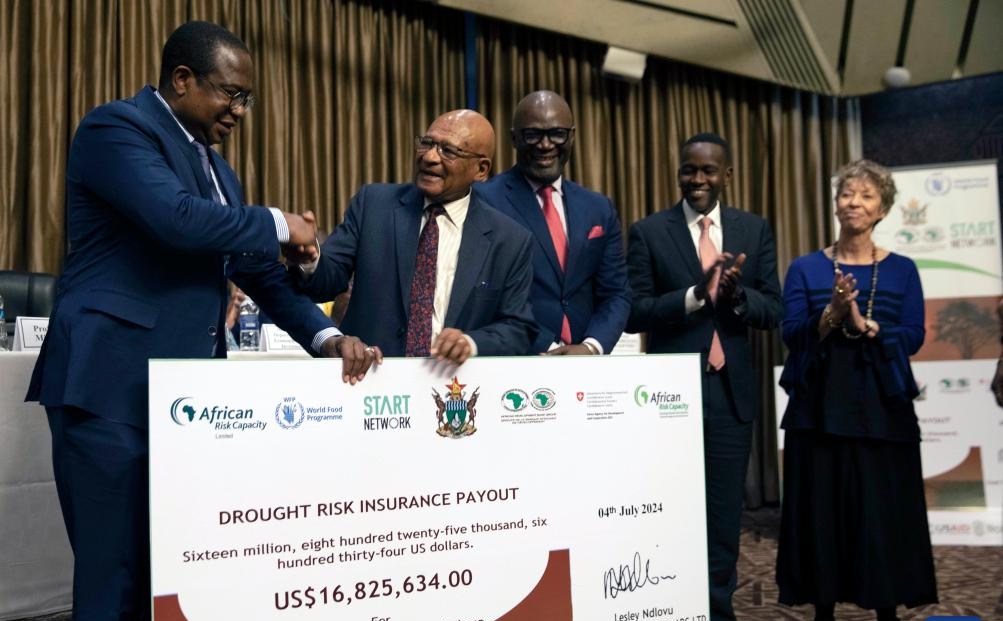
The payout, facilitated through a collaborative effort between the Zimbabwean government, the UN World Food Programme (WFP), and the non-governmental organisation Start Network, forms part of the ARC sovereign insurance risk pool for the 2023/2024 agricultural season. Of the total funds, the Zimbabwean government has been allocated $16.8 million, while the WFP and Start Network received $6.1 million and $8.9 million respectively.
Speaking at the handover ceremony in Harare, Finance Minister Mthuli Ncube emphasised the critical importance of this payout. “This payout will contribute immensely towards complementing the early drought response intervention measures which the government has put in place,” Ncube stated. He noted that the funds would be distributed to approximately 508,435 vulnerable households across 27 districts in Zimbabwe.



This year, Zimbabwe has faced one of its most severe El Nino-induced droughts, which resulted in a staggering 77 percent decrease in cereal production. Consequently, 60 percent of the country’s population is now food insecure and in desperate need of aid. In response to the crisis, President Emmerson Mnangagwa declared a state of disaster in April and appealed for over $3 billion to address the drought’s impacts.
Ncube highlighted that this ARC payout is the second of its kind for Zimbabwe, following an initial payout in 2019. He expressed confidence that the funds would substantially support the government’s efforts to ensure food security. “The ceremony marks a monumental occasion in our endeavours to mitigate the negative impacts of drought and to solidify our nation’s resilience against climate-induced adversities. This immediate response is crucial for the resilience of our communities, ensuring that no household will suffer from hunger,” Ncube remarked.

He also praised the African Union (AU) for establishing the ARC, describing it as a “quick-win solution” for disaster risk management and financing for many African nations. The ARC, a specialised agency of the AU created in 2012, is dedicated to assisting member states in preparing for and responding to natural disasters, particularly droughts and other extreme weather events.
This insurance payout marks a significant step in bolstering Zimbabwe’s capacity to cope with the severe challenges posed by climate change, offering a lifeline to the millions affected by the drought and reinforcing the nation’s disaster response framework.