
In a bid to stabilise its currency and curb soaring inflation, Zimbabwe’s central bank introduced the long-awaited structured currency, the Zimbabwe Gold (ZiG), to the market on Friday. This move marks the latest effort by monetary authorities to address the country’s persistent currency woes, which have been exacerbated by the erosion of previous currencies like the bond notes.
The new currency, ZiG, is set to replace the bond notes and other electronic forms of currency such as the Real Time Gross Settlement (RTGS), which have been circulating in the economy. Unlike its predecessors, ZiG will be backed by a basket of foreign exchange reserves and precious metals, primarily gold, held by the Reserve Bank of Zimbabwe (RBZ).
According to the newly appointed RBZ Governor, John Mushayavanhu, ZiG will be anchored and fully backed by a composite basket of reserves, comprising foreign currency and precious metals, predominantly gold. Governor Mushayavanhu emphasized the importance of stability, simplicity, certainty, and predictability in the country’s financial affairs, stating that ZiG aims to foster these qualities.



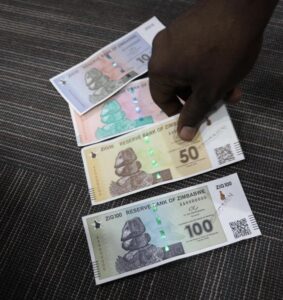
The denomination of the new currency notes ranges from 1 to 200 ZiG, with plans for the introduction of ZiG coins in the near future. Effective from Monday next week, all Zimbabwean dollar bank balances will be converted to ZiG accounts at an initial exchange rate of 1 U.S. dollar to 13.56 Zimbabwean dollars. This exchange rate has been determined based on the prevailing interbank exchange rate and the London PM Fix price of gold.

Furthermore, Governor Mushayavanhu outlined the mechanisms for accumulating foreign currency reserves, which include market purchases from a 25 percent foreign currency surrender requirement for exporters and the sale of precious minerals other than gold. He indicated that the inter-bank exchange rate will be market-determined, with significant influence from the price of gold and inflation differentials.
The delayed release of the 2024 monetary policy statement was attributed to extensive consultations, including discussions with international financial institutions such as the International Monetary Fund and the World Bank. Mushayavanhu stressed the importance of compliance with Know Your Customer (KYC) requirements, particularly for individuals holding significant amounts of Zimbabwean dollar notes.
The introduction of the Zimbabwe Gold (ZiG) currency marks a significant step towards addressing Zimbabwe’s currency challenges. With its backing by foreign exchange reserves and precious metals, the new currency aims to instill confidence in the financial system and promote economic stability in the Southern African nation.