

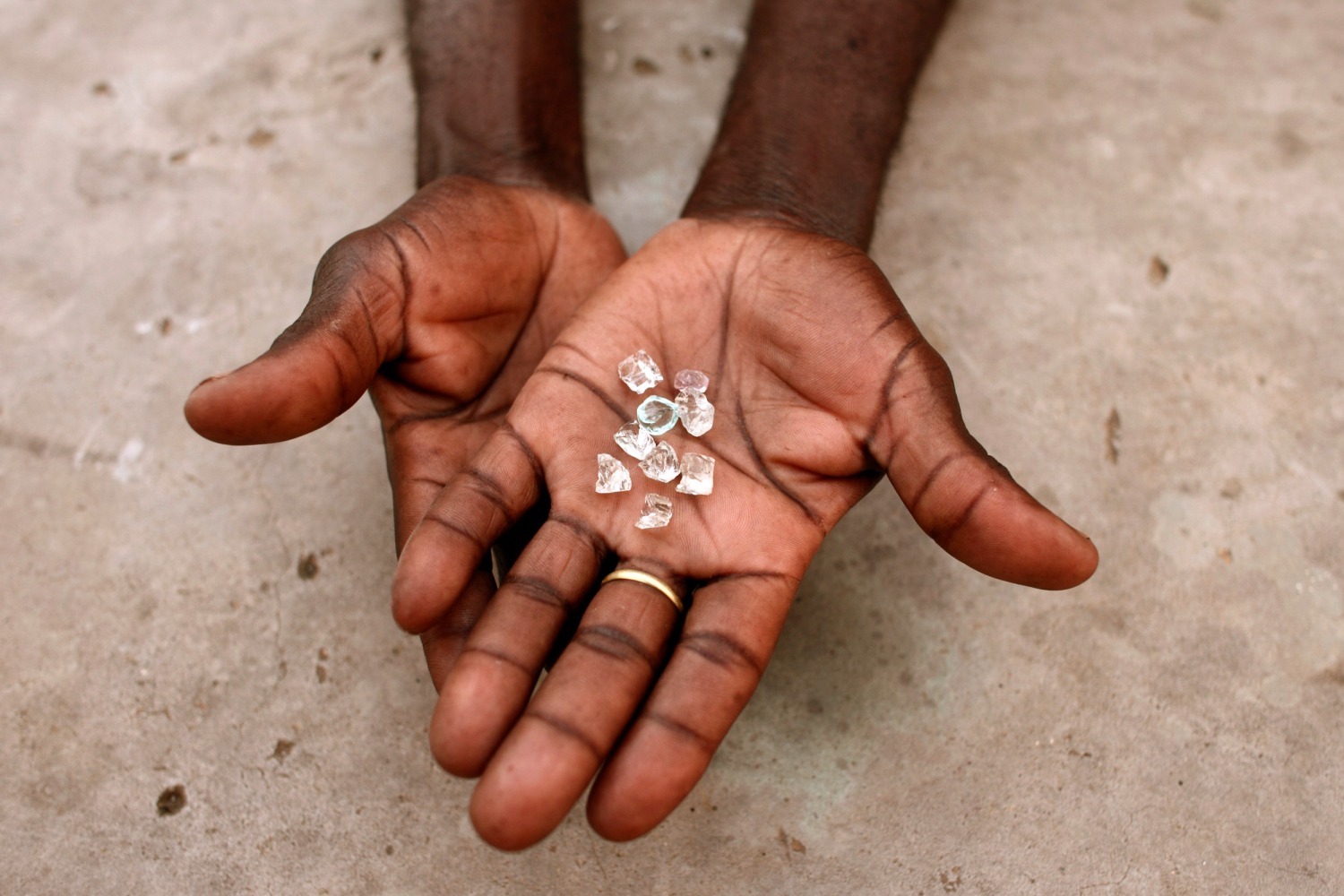
Zimbabwe has solidified its position as the seventh-largest diamond producer on the global stage. According to the Zimbabwe Broadcasting Corporation news report, the nation achieved an annual diamond output exceeding 4 million carats, valued at $420 million. These statistics were recently disclosed by the Kimberley Process Certification Scheme (KPCS), a globally recognized regulatory body responsible for overseeing the trade and production of diamonds.
This milestone underscores Zimbabwe’s growing presence in the international diamond industry, ranking the nation alongside established diamond-producing countries like Botswana, Russia, Angola, Canada, South Africa, and Namibia. The KPCS’s assessment acknowledges Zimbabwe as a noteworthy contributor to the global diamond market.
However, Zimbabwe’s ambitions are far from modest. The country has set its sights on substantial growth, aiming to produce an impressive 7 million carats of diamonds within the current year. This ambitious objective is complemented by a corresponding target to generate an annual revenue of $1 billion, which could provide a substantial boost to the nation’s economy.




Zimbabwe’s diamond industry has seen significant progress, partly due to various factors. The nation boasts abundant diamond reserves, which have attracted considerable investment in the mining sector. Moreover, the government has introduced policies and reforms aimed at enhancing transparency and efficiency within the diamond mining industry, fostering investor confidence and stimulating growth.
Zimbabwe’s story in the diamond industry is an intriguing one, signifying not just a surge in production but also the potential transformation of the nation’s economy. Diamonds are a valuable resource, and with the right management and policies, they can serve as a catalyst for economic development. The government’s aspiration to achieve a $1 billion annual revenue target is not merely a goal; it is a step toward economic prosperity for the nation.
Additionally, Zimbabwe’s commitment to responsible and ethical diamond mining is paramount. Adherence to the Kimberley Process Certification Scheme ensures that diamonds are sourced and traded without contributing to conflicts and, instead, promote development. This commitment to ethical mining practices is not only essential for the industry’s reputation but also for the well-being of the communities in which these mines operate.
As Zimbabwe progresses with its diamond ambitions, the focus extends beyond quantity to the quality of diamonds. High-quality diamonds have the potential to command premium prices in the global market, further bolstering the nation’s revenue. Investments in diamond cutting and polishing facilities can add significant value to Zimbabwe’s diamond production, ensuring that a larger portion of the revenue remains within the country.
Furthermore, the success of Zimbabwe’s diamond industry is intertwined with other sectors of the economy. Job creation, infrastructure development, and increased economic activity in regions with diamond mines are some of the tangible benefits of this growth. These benefits extend to local communities, where improved living standards, as well as access to education and healthcare, become possible.
The story of Zimbabwe’s diamond industry represents potential and ambition. With abundant diamond reserves, adherence to ethical practices, and government support, the nation is making significant strides on the global stage. The world watches with interest as Zimbabwe continues its journey to become a notable player in the international diamond market. As Zimbabwe aims for a $1 billion annual revenue, it is not just setting a target; it is marking a path toward a brighter and more prosperous future for the nation and its people.


