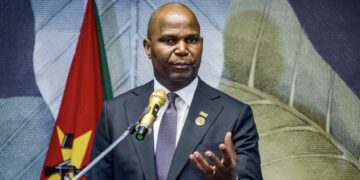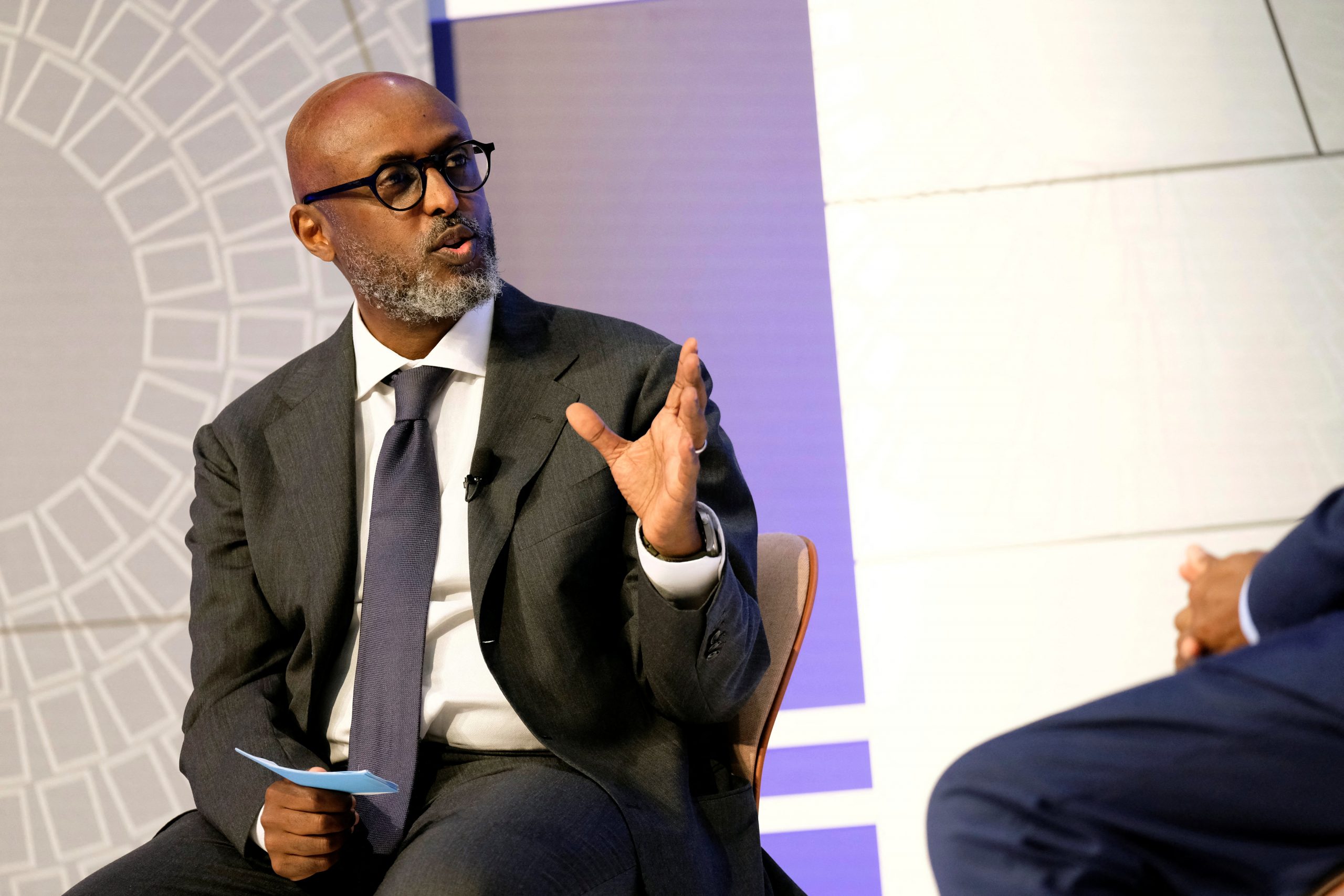
In a recent press briefing at the IMF Annual Meeting in Marrakech, Abebe Aemro Selassie, Director of the IMF African Department, provided insights into the Sub-Saharan Africa Regional Economic Outlook, aptly titled “Light on the Horizon.” This special report discussed the region’s economic status, challenges, and prospects for the future.
Challenging Economic Landscape: 2023 has proven to be a difficult year for the Sub-Saharan African economy, with growth slowing to 3.3 percent from 4 percent in 2022. The persistent hurdles included fiscal deficits and elevated inflation levels, exacerbated by external headwinds such as sluggish international demand and costly access to finance.
Resilience and Optimism: Despite these challenges, there is cautious optimism regarding the future. Growth is projected to rebound to 4 percent in 2024, promising a broad-based recovery. Governments in many Sub-Saharan African countries have been actively working to address macroeconomic imbalances, particularly narrowing fiscal deficits, which has contributed to stabilizing public debt in most nations.



Pressing Policy Priorities: The IMF emphasized the need for policymakers to address four key interrelated policy priorities:

- Inflation Control: Countries experiencing rising inflation levels should consider further monetary tightening. In contrast, those with falling inflation rates on track to meet targets might pause tightening measures to support economic stability.
- Debt Management: Striking a balance between raising domestic revenues and implementing growth-enhancing reforms is vital to reduce debt vulnerabilities and create room for development spending.
- Exchange Rate Management: Allowing exchange rates to depreciate when necessary is crucial, avoiding pressures that could deplete international reserves and harm competitiveness.
- Investment in Priority Areas: Prioritizing investments in sectors such as health, education, and infrastructure is essential to foster growth and unlock the potential of the region’s youthful and creative population.
A Region on the Rise: While Sub-Saharan Africa faces numerous economic challenges, the IMF remains hopeful for the region’s potential, thanks to resilience and a commitment to implementing necessary policies. The recent Annual Meetings marked a significant return to the African continent for the IMF, reinforcing the growing importance of the region on the global economic stage.
The road ahead may still be fraught with obstacles, but the economic “Light on the Horizon” suggests that Sub-Saharan Africa is poised for a promising future, as long as governments can navigate these complexities with careful policy decisions.