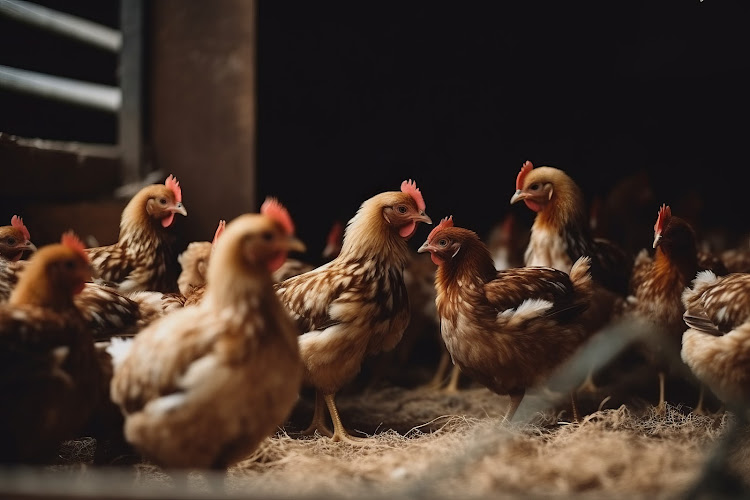
South Africa finds itself grappling with a dire avian flu outbreak, which has triggered the culling of over 5 million egg-laying chickens this year alone, according to a statement released by the South African Poultry Association on Tuesday. The repercussions of this crisis are now poised to impact not only the nation’s poultry industry but also the pockets of its consumers.
Izaak Breitenbach, the general manager of the association, emphasized the looming threat to the country’s poultry sector. He expressed concerns that the avian flu outbreak is likely to result in significant price hikes for chickens and eggs, sending ripples through the food supply chain and potentially burdening consumers.
The worst-hit regions in this avian flu ordeal have been identified as Gauteng, Limpopo, Mpumalanga, and the Free State, as reported by Breitenbach. These areas have borne the brunt of the outbreak’s impact on local poultry farms, exacerbating the challenges faced by South Africa’s already fragile agriculture sector.




The timeline of this crisis traces back to April when South Africa recorded its first cases of bird flu in commercial farms, with the Western Cape Province being the epicenter, according to the South African Poultry Association. Since then, the outbreak has unfurled, posing a relentless challenge for the nation’s poultry farmers.
Breitenbach further lamented the emerging scarcity of eggs in the local market, underscoring the growing urgency of the situation. To alleviate the shortfall and cater to the rising demand for eggs, the South African poultry industry is preparing to import a staggering 10 million eggs, a measure intended to stabilize the market but one that underscores the severity of the current crisis.
As South Africa grapples with the avian flu outbreak and its far-reaching consequences, there is a growing sense of urgency to contain the spread of the virus, support affected farmers, and ensure the continued availability of poultry products to consumers. The impact on the nation’s poultry industry and the resulting price fluctuations serve as a stark reminder of the interconnectedness of global supply chains and the vulnerability of food systems in the face of unforeseen challenges.