Global financial markets experienced a resurgence at the close of a week characterized by pivotal central bank announcements. Emerging market stocks managed to recover from a four-day losing streak, with MSCI’s index for emerging market equities rising by 0.8% by 0853 GMT on Friday. This rebound, however, came after enduring weekly declines of 2.2%, primarily due to heightened concerns surrounding a surge in U.S. Treasury yields.
Investors closely monitored developments from the Federal Reserve, pondering the potential for an additional rate hike and reduced cuts in the coming year. These considerations cast a shadow over emerging markets earlier in the week.
On the Asian front, most stock markets trended higher on Friday. Hong Kong and mainland China led the pack, with equities surging by 2.3% and 1.8%, respectively. Reports of China’s measures to boost private sector development fueled this upturn. Bloomberg News also noted that China was contemplating relaxing regulations limiting foreign ownership in domestic publicly traded firms.




Emerging market currencies followed suit, edging 0.1% higher on Friday, albeit still facing a 0.2% weekly loss. The U.S. dollar continued its remarkable ascent, setting course for its tenth consecutive weekly gain, while the yen weakened following the Bank of Japan’s decision to maintain ultra-low interest rates.
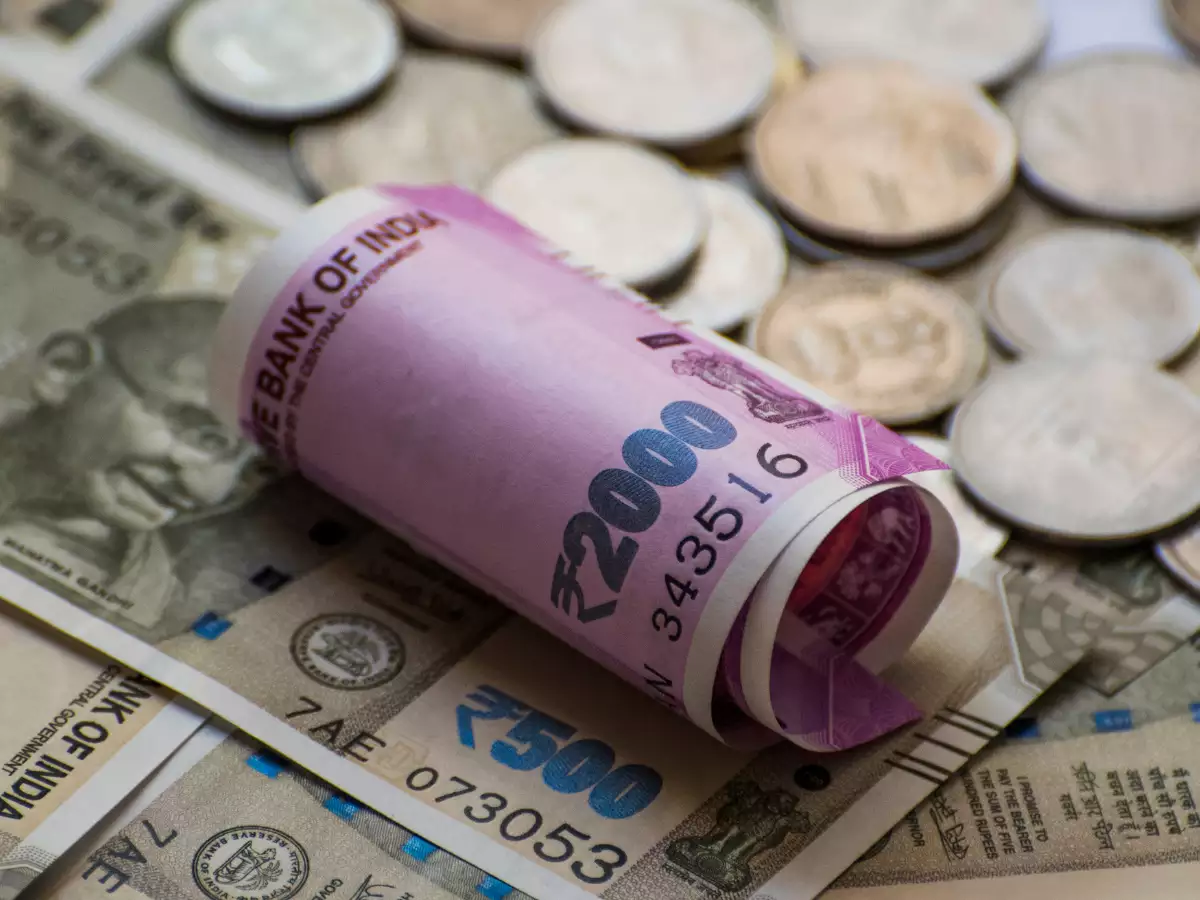
In India, the rupee witnessed a notable 0.3% climb against the dollar. JPMorgan’s announcement of including India’s local bonds in its widely tracked emerging market debt index triggered this uptick, paving the way for substantial inflows into the world’s fifth-largest economy. Analysts from Citi and Bank of America anticipated that this move could drive India’s benchmark 10-year bond yield below 7% in the coming months. Barclays strategists estimated direct inflows of $20-$25 billion over the next 18-21 months as a result of this inclusion.
Despite challenges such as a strong U.S. dollar, elevated U.S. yields, and increased oil prices, the Indian rupee celebrated this significant development.
Meanwhile, the South African rand gained strength, appreciating by 0.6% against the dollar and achieving a weekly gain of nearly 1%, even after the country opted to maintain its interest rates unchanged.
In Central and Eastern Europe, the Polish zloty rose by 0.2% against the euro, demonstrating resilience and outperforming its regional counterparts. Investors were keenly awaiting a credit ratings review by Moody’s, and the currency was on track for weekly gains of 1%.