

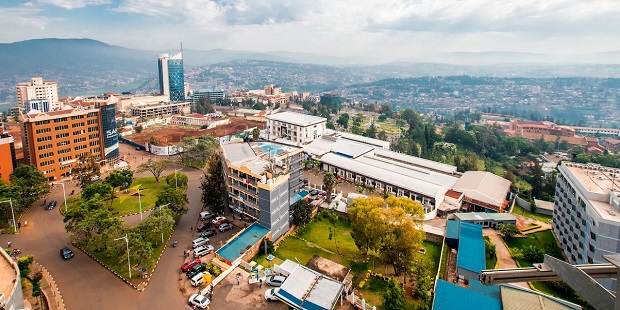
Rwanda has taken a significant step towards ensuring a stable supply of liquefied petroleum gas (LPG) for its growing population by commencing the construction of LPG storage facilities in the capital city of Kigali. The move comes as part of the nation’s efforts to curb the extensive use of wood for cooking, contributing to environmental conservation and promoting sustainable energy sources.
Led by Jean Gashumba, who oversees the project, the ambitious endeavor is estimated to cost 37.7 billion Rwandan francs (approximately 32 million U.S. dollars) and will be situated in Gasabo district. The project is projected to be completed by mid-2025, with the first storage facility expected to be operational within a year.
This development involves the construction of three storage facilities in two phases. Upon completion, these facilities will collectively hold an impressive capacity of 17.1 million liters of gas, significantly boosting the country’s ability to store sufficient LPG reserves.



Crucially, the initiative is a joint effort between the Rwandan government and a private company, ensuring a successful collaboration to address the nation’s energy requirements. Rwandan Minister of Infrastructure, Ernest Nsabimana, emphasized that the new LPG facilities will play a crucial role in stabilizing cooking gas prices, providing respite to citizens in the face of fluctuating market conditions.
Currently, Rwanda’s existing capacity for gas storage is limited to less than 14 days’ worth of supply. However, with the implementation of these new facilities, the country will be able to secure LPG reserves that can sustain its needs for approximately three months. Presently, the nation consumes about 3.5 million kilograms of LPG per month.

Recent findings from the Rwanda national population and housing census, conducted in 2022, revealed that a significant portion of households, around 76 percent, still rely on firewood for cooking, with 17 percent using charcoal. In response, the Rwandan government is determined to reduce wood fuel dependence to 42 percent by 2024, a vital step in mitigating deforestation and its environmental impacts.
The construction of the LPG storage facilities marks a pivotal moment in Rwanda’s sustainable development journey, fostering a cleaner and more efficient cooking environment while bolstering energy security. With the active commitment of both the government and private sector, Rwanda is on track to embrace a greener and more sustainable future for its citizens.


