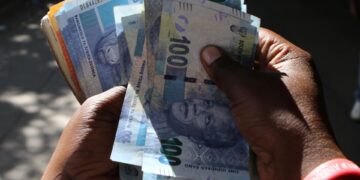
South Africa’s consumer inflation has shown a steady decline for the second consecutive month in May, providing a positive outlook for the country’s economy. Official data released on Wednesday by Statistics South Africa (Stats SA) revealed that the consumer inflation rate dropped to 6.3 percent, down from 6.8 percent in the previous month.
The latest reading represents the lowest inflation rate since April 2022, when it stood at 5.9 percent. This decline in inflation suggests that price pressures are easing, which could potentially stimulate consumer spending and support economic growth.
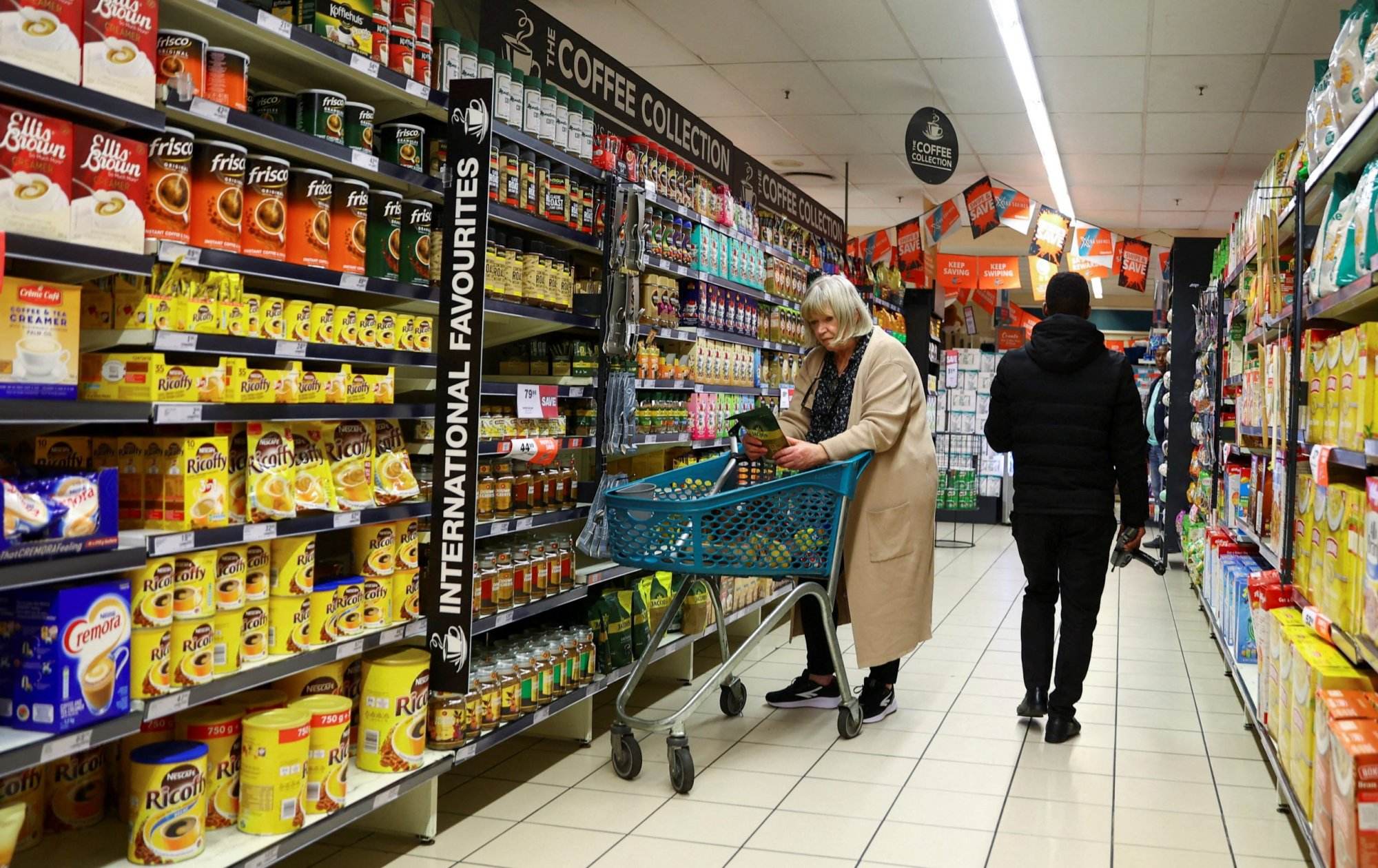
In May, the annual inflation rate for food and non-alcoholic beverages recorded a notable decrease from the previous month. It stood at 11.8 percent, compared to 13.9 percent in April. This moderation in food prices is encouraging for consumers, as it eases the burden on household budgets and enhances affordability.



Furthermore, the data showed a decline in the inflation rate for meat in May. After reaching 9.5 percent in April, meat inflation slowed to 7.1 percent. This decrease in meat prices could alleviate the strain on consumers’ wallets, as meat is a significant component of South Africa’s diet.

However, the price data also revealed an acceleration in inflation for the restaurants and hotels category. The annual inflation rate for this sector increased to 6.4 percent in May, up from 5.1 percent in April. This rise may be attributed to various factors, such as rising input costs and higher demand as economic activity picks up.
The transport sector also experienced an upward trend in inflation, with an annual increase of 7 percent in May. This rise in transportation costs could be influenced by factors such as higher fuel prices and increased demand for mobility as economic restrictions ease.
Overall, the declining consumer inflation rate in South Africa is a positive development for the country’s economic prospects. Lower inflation creates favorable conditions for increased consumer spending, as it improves purchasing power and affordability. This, in turn, can stimulate economic growth and drive business activity across various sectors.
The South African government and policymakers will likely view this decline in inflation positively. It provides them with more room to maneuver in implementing monetary and fiscal policies to support economic recovery and address other pressing challenges, such as unemployment and inequality.
As South Africa continues its journey towards post-pandemic recovery, the easing inflationary pressures offer hope for businesses and consumers alike. However, it remains crucial to monitor the trajectory of inflation closely and implement appropriate measures to maintain a stable and sustainable economic environment.