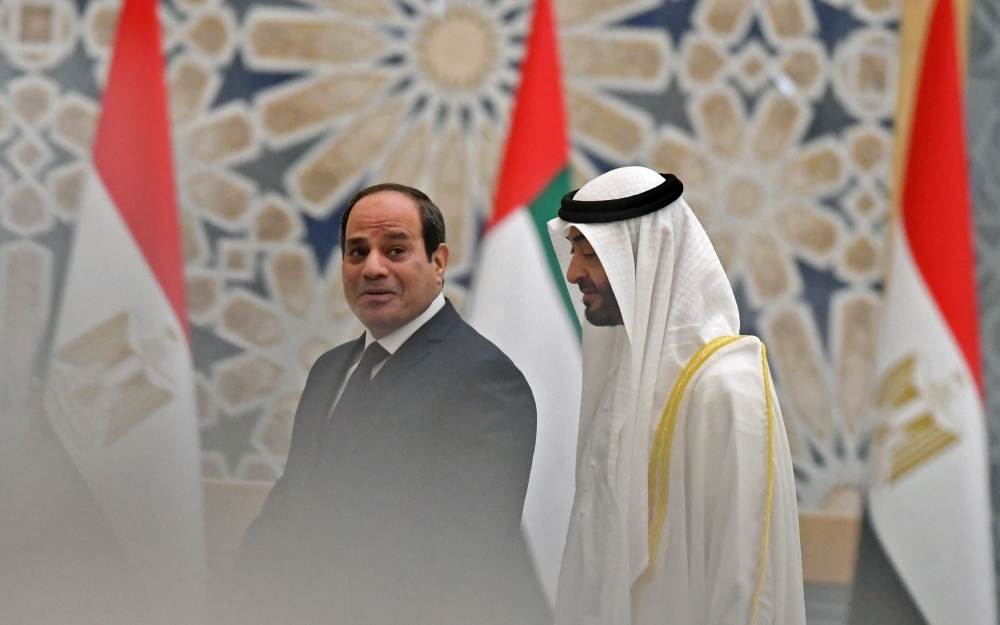
Egypt’s Ministry of Electricity and Renewable Energy has signed an agreement with Masdar, a clean energy firm from the United Arab Emirates (UAE), to construct a wind power plant in Sohag province, located in Upper Egypt. The deal, valued at over $10 billion, aims to establish a wind power plant with a remarkable production capacity of 10 gigawatts, according to an official statement from the Egyptian cabinet.
Mohamed Shaker, Egypt’s Minister of Electricity and Renewable Energy, expressed his enthusiasm for the project during the signing ceremony, emphasising its potential to attract foreign direct investment and highlighting the robustness of the renewable energy sector in Egypt. This collaboration between the two nations signifies a significant milestone in their bilateral relations and reflects their commitment to fruitful and constructive cooperation.
Sultan Al Jaber, the UAE Minister of Industry and Advanced Technology, described the wind power plant as a strategic project of great magnitude, asserting that it ranks among the largest projects in the field not only in Africa but also globally. The completion of this ambitious venture is expected to yield an annual production of 47,790 gigawatt-hours of clean energy, contributing to a remarkable 9 percent reduction in carbon dioxide emissions in Egypt. Furthermore, the plant is anticipated to save the country approximately $5 billion in annual natural gas consumption costs.



The establishment of this wind power plant underscores Egypt’s ongoing efforts to transition towards sustainable and environmentally friendly sources of energy. By harnessing the power of wind, the country aims to diversify its energy mix, reduce reliance on fossil fuels, and promote a greener and more sustainable future. The project aligns with Egypt’s commitment to the Paris Agreement and its national targets for renewable energy development.
The significance of this collaboration extends beyond the economic and environmental realms. It represents a continuation of the longstanding historical relations between Egypt and the UAE, fostering closer ties and demonstrating their shared vision for a more sustainable and prosperous future.

The wind power plant in Sohag province will undoubtedly contribute to Egypt’s energy security, bolster its position as a regional leader in renewable energy, and set a remarkable example for other countries to follow. With its massive production capacity, this project not only propels Egypt closer to achieving its clean energy goals but also stands as a beacon of progress for the continent of Africa and the world.
As the renewable energy sector continues to gain momentum globally, partnerships like this one between Egypt and the UAE highlight the immense potential for investment, innovation, and collaboration in the pursuit of a sustainable and greener future for all.