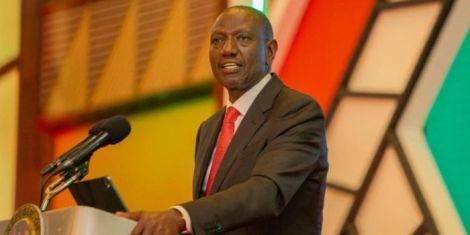
President William Ruto called for the establishment of a financial infrastructure that would enable African nations to conduct trade using their local currencies instead of relying on the dollar. Speaking at the African Private Sector Dialogue on AfCFTA and the 3rd Kenya International Investment Conference, President Ruto proposed the formation of an African export and import bank as a payment authority within the continent.
Highlighting the need for a unified payment system, President Ruto emphasised the detrimental impact of the prevailing dollar crisis on African businesses. Currently, African businesses face significant obstacles as they are compelled to convert their currencies into dollars to facilitate trade among neighbouring countries. President Ruto expressed his concern over the unnecessary reliance on the dollar during regional trade, which leaves African business people stranded and hinders economic growth.
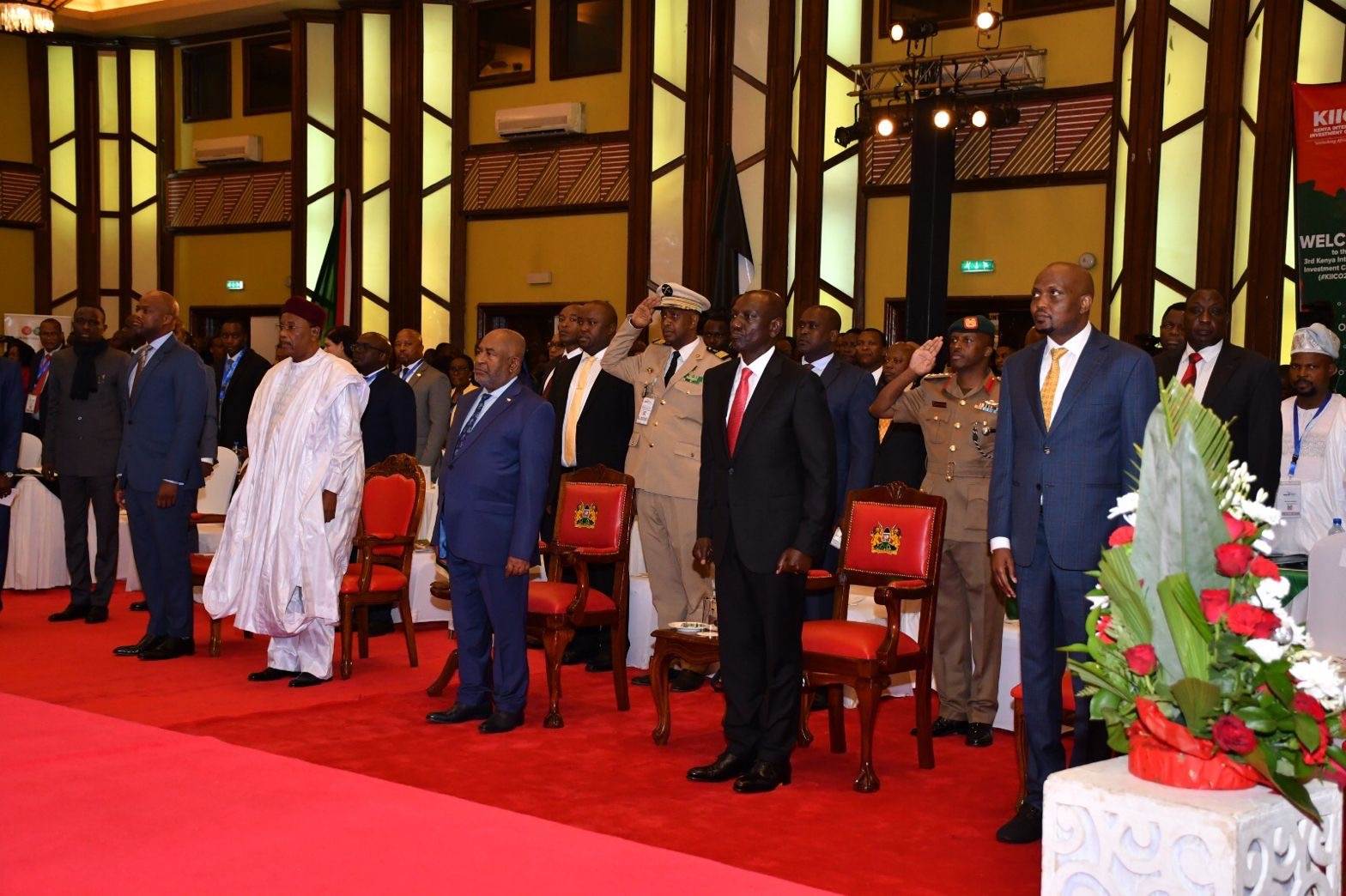



To address these challenges, President Ruto called for the establishment of an African Export-Import Bank-led initiative known as the Pan African Payment and Settlement system. This centralised payment system aims to facilitate instant payments in local currencies and eliminate cross-border payment barriers. By providing a platform for investors to conduct transactions in local currencies, the system seeks to foster efficient and unified trade across the continent.
President Ruto further emphasised the importance of collaboration between governments and the private sector to establish a strong institution that can provide an adjustment fund. Such a fund would help cushion countries against short-term revenue losses and support eligible private sector firms, ensuring sustainable economic growth across the continent.

Recognising the need for enhanced regional connectivity, President Ruto disclosed that East African countries are engaged in dialogue to explore the possibility of developing a regional airline. This initiative aims to streamline travel and logistical operations, facilitating trade and cooperation among neighbouring nations.
Moreover, President Ruto revealed that Kenya, Uganda, the Democratic Republic of Congo, and the Republic of Congo are actively assessing the feasibility of establishing a comprehensive transport network connecting the Indian Ocean to the Atlantic. This ambitious project seeks to enhance trade routes and boost economic integration within the region. By linking these two major bodies of water, countries will gain greater access to international markets, resulting in increased trade opportunities and economic prosperity.
President Ruto’s proposal has received significant support, with experts recognizing the potential benefits of conducting trade using local currencies. Eliminating the reliance on the dollar would not only reduce transaction costs but also mitigate the impact of external currency fluctuations. By promoting intra-African trade and cooperation, this financial infrastructure would foster economic development, job creation, and poverty reduction across the continent.
The formation of an African export and import bank as a payment authority, along with the establishment of a unified payment system, represents a significant step towards economic integration and independence for African nations. This landmark initiative aligns with the objectives of the African Continental Free Trade Area (AfCFTA), which aims to create a single market for goods and services across the continent.
As President Ruto’s proposal gains momentum, African leaders, policymakers, and stakeholders are expected to engage in further discussions to refine and implement the financial infrastructure. The realization of this vision holds immense potential to transform African economies and strengthen the continent’s position in the global trade arena.
President William Ruto’s proposal to establish a financial infrastructure facilitating trade using local currencies represents a groundbreaking development for Africa. With the potential to reduce dependency on the dollar, enhance intra-African trade, and promote economic integration, this initiative paves the way for a more prosperous future for the continent. As African leaders and stakeholders collaborate to turn this vision into reality, the prospects for sustainable development and economic growth in Africa are boundless.