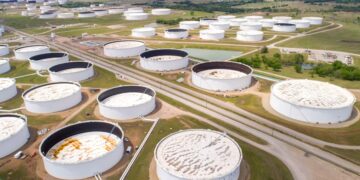
Nigeria based Dangote Group has entered into a 400 million dollar equipment agreement with China based Xuzhou Construction Machinery Group, known as XCMG, as part of efforts to accelerate the expansion of its oil refinery complex in Lagos. The development was reported by Reuters on 17 February 2026 and confirmed in a company statement. According to the report published by Reuters, the additional machinery is intended to support construction and execution across refining, petrochemicals, agriculture and infrastructure projects linked to the wider industrial platform being developed by the group.
The agreement provides for the acquisition of a broad range of heavy duty construction equipment to complement existing assets deployed at the refinery site. Dangote Group has indicated that the expansion programme is expected to be completed within three years, with a targeted refining capacity of 1.4 million barrels per day once fully realised. The refinery, which commenced operations in 2024 after a protracted development period, represents an investment estimated at 20 billion dollars and is regarded as one of the largest single train refinery projects globally. Further corporate information is available through the Dangote Group website at https://www.dangote.com and coverage of the transaction can be accessed via https://www.reuters.com.
In addition to expanded crude processing capacity, the programme incorporates significant downstream and petrochemical components. Polypropylene output is projected to increase from 900000 tonnes per year to 2.4 million tonnes per year. Urea production in Nigeria is expected to rise to 9 million tonnes annually. This would complement Dangote’s existing 3 million tonne fertiliser facility in Ethiopia, positioning the company among the largest urea producers globally, subject to market conditions and sustained operational capacity. The group also plans to raise annual production of linear alkyl benzene, a key input in detergent manufacturing, to 400000 tonnes, which it states would make it the largest supplier on the African continent. Additional base oil capacity is included in the expansion framework.



XCMG, headquartered in Xuzhou, is one of China’s leading construction machinery manufacturers and has an established export presence across Africa. Corporate information about the manufacturer can be found at https://www.xcmg.com. The equipment partnership reflects a continuation of industrial cooperation between African and Chinese firms within large scale infrastructure and manufacturing projects. Such collaborations have become a defining feature of industrialisation efforts across several African economies, often framed within broader South South trade and investment flows.

Dangote Group has described the transaction as consistent with its stated ambition of building a 100 billion dollar enterprise by 2030. In its statement, the company said that the newly acquired equipment would enhance execution capacity across multiple projects under construction. While the refinery is primarily located in Nigeria, its projected output has implications for regional energy markets, particularly in West and Central Africa where several countries continue to import refined petroleum products despite being crude oil producers.
Analysts have observed that, if operating at full capacity, the refinery could materially reduce Nigeria’s reliance on imported refined fuels and potentially alter established supply chains within the sub region. At the same time, the scale of the project raises questions regarding logistics, foreign exchange management, environmental governance and market absorption, all of which will influence long term outcomes.

From a broader African perspective, the expansion underscores the continent’s ongoing efforts to move up the value chain from raw material export to integrated processing and manufacturing. The refinery and associated petrochemical investments form part of a wider narrative in which African industrial actors seek to consolidate domestic capacity while engaging diversified international partners. The trajectory of the Dangote refinery expansion will therefore be watched closely not only within Nigeria but across Southern, Eastern and Central Africa, where governments and private sector stakeholders are similarly pursuing industrial diversification strategies grounded in regional realities and aspirations.