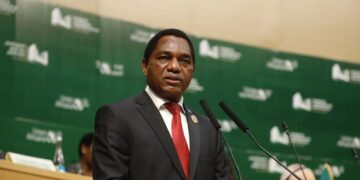
Zimbabwean President Emmerson Mnangagwa’s declaration of a state of disaster on Wednesday underscored the severity of the El Nino-induced drought gripping the nation and threatening its food security. Addressing the nation from the State House in Harare, Mnangagwa revealed that an alarming 80 percent of Zimbabwe experienced below-normal rainfall during the critical agricultural season of 2023/2024.
In response to the crisis, Mnangagwa issued a call to action, urging Zimbabweans at home and abroad, as well as the global community, to contribute generously to alleviate the unfolding national disaster. Preliminary assessments conducted by authorities estimate that over $2 billion USD is required to implement various response interventions and mitigate the impacts of the drought.
Despite efforts to cultivate maize crops and other cereals across 1,728,897 hectares of land, the yields fell short of expectations. The shortfall amounts to nearly 680,000 metric tonnes of grain, creating an urgent need for imports to bridge the deficit.




Mnangagwa emphasized the paramount importance of ensuring food security for all Zimbabweans, asserting that no citizen should endure hunger or perish due to lack of sustenance. With an annual cereal requirement of 2.2 million tonnes for both human consumption and livestock feed, Zimbabwe’s cereal production for the 2023/24 summer cropping season is anticipated to be only around 800,000 tonnes, according to projections from the agriculture ministry. This significant reduction in output is directly attributed to the adverse effects of the drought.
As the nation grapples with the implications of the ongoing crisis, concerted efforts from governmental, non-governmental, and international stakeholders are essential to address immediate needs and build resilience against future shocks to Zimbabwe’s food system.