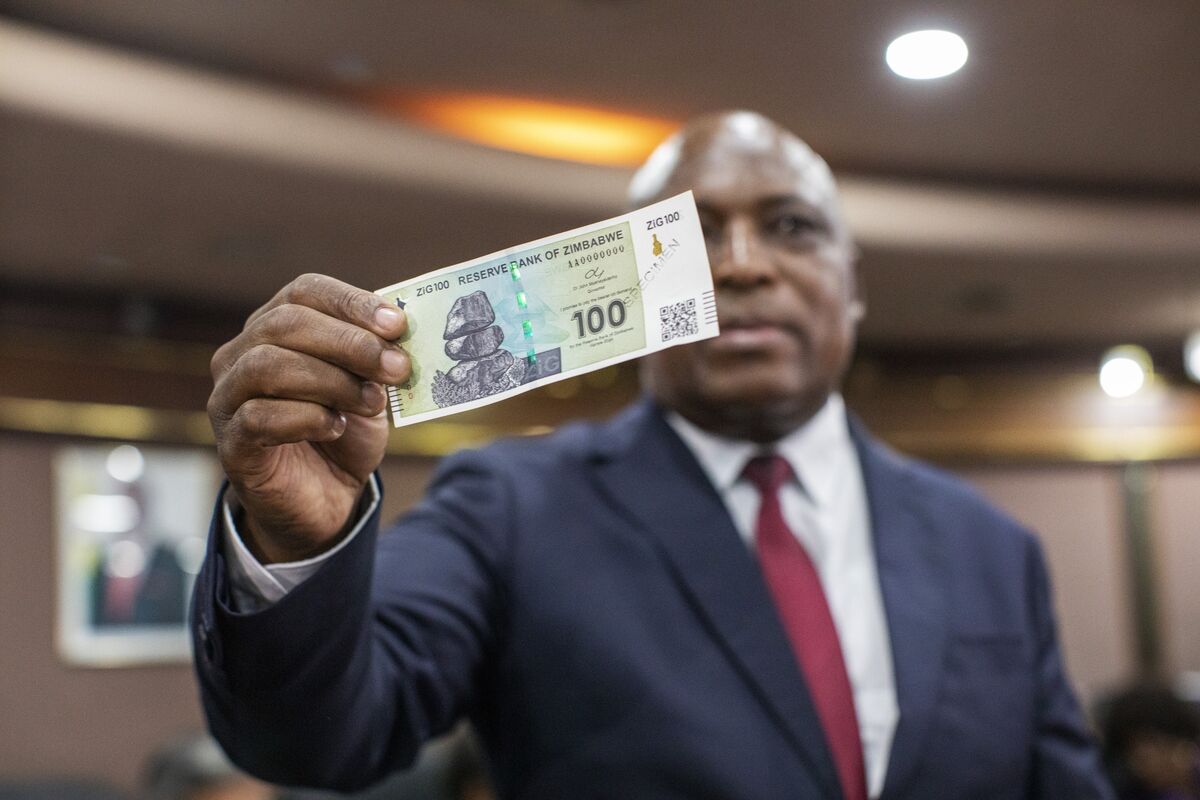
Zimbabwe recently introduced a new currency known as Zimbabwe Gold (ZiG). Launched by the Reserve Bank of Zimbabwe (RBZ) on 29 April 2024, this currency is unique in being backed by gold reserves and foreign currency. This marks the sixth new currency introduced by Zimbabwe in the past fifteen years, reflecting the nation’s ongoing struggle with hyperinflation and currency challenges.
Zimbabwe has been grappling with severe inflation, which had soared above 55% annually. The introduction of ZiG aims to curb this inflation, with a target to bring it down to 2% per year. The new currency is supported by 2.5 tonnes of gold and $100 million in foreign currency reserves. ZiG is available in both digital and physical formats, intended to restore confidence in the local currency and reduce dependency on foreign currencies.
Despite the ZiG’s initial 1.9% appreciation against the U.S. dollar since its launch, the currency has encountered significant obstacles domestically. Authorities in Zimbabwe have reported a rise in illegal foreign exchange trading, undermining the official currency system. This illicit trading is part of a broader trend where businesses and traders refuse to transact at the official ZiG exchange rate, instead creating a parallel market.



In response, the Zimbabwe Reserve Bank (ZRB) has taken decisive action. They have called on citizens to report instances of traders and businesses refusing to accept the ZiG at its official exchange rate. This appeal is part of a broader crackdown on illegal currency trading activities. So far, authorities have arrested 224 illegal FX traders, frozen 90 bank accounts, and fined 40 individuals involved in unlawful dealings.

To further support the new currency’s adoption, the RBZ has announced measures to improve its usability. Starting 10 June, cash withdrawals using debit cards will be available at the government-owned Homelink financial services company in seven major cities. Additionally, there have been issues with the availability of smaller denominations of the ZiG, prompting the RBZ to work on increasing the supply of coins to facilitate everyday transactions.
Zimbabwe’s current monetary initiative follows a history of failed attempts to establish a stable local currency. Previous currencies suffered due to rampant inflation caused by excessive money printing to finance government spending, leading to their collapse against the U.S. dollar. The new currency, ZiG, with its backing by substantial gold reserves and foreign currency, represents a more robust attempt to achieve stability.
The Zimbabwean government has also imposed fines on businesses that do not conduct transactions at the official ZiG/USD exchange rate, aiming to enforce compliance and support the new currency. However, the success of this initiative will depend heavily on the public’s trust and the government’s ability to maintain strict regulatory oversight.
The introduction of Zimbabwe Gold (ZiG) is a pivotal moment in Zimbabwe’s ongoing effort to stabilise its economy. Backed by gold and foreign reserves, the ZiG aims to curb inflation and restore confidence in the local currency. However, the rise in illegal foreign exchange trading and the reluctance of some businesses to transact at the official exchange rate pose significant challenges. The government’s crackdown on illegal trading and efforts to enhance the currency’s usability are critical steps in supporting the ZiG’s success. As Zimbabwe embarks on this latest chapter in its economic journey, the international community will be watching closely to see if the ZiG can achieve what its predecessors could not: a stable and trustworthy national currency.