South Africa has achieved a significant milestone in its pursuit of a greener and more sustainable energy future, securing $676 million in grants from wealthy nations to support its transition away from carbon-intensive coal. This sum, more than double the initially promised grant, reflects the country’s determination to reduce its carbon footprint and foster economic growth through environmentally friendly initiatives. However, while this funding is a substantial boost, it remains only a fraction of the total package required for South Africa’s ambitious transformation.
Rudi Dicks, the head of project management in the presidency, emphasized the South African government’s unwavering commitment to securing a larger grant component from the $12 billion offered by Western nations. President Cyril Ramaphosa has been a vocal advocate for greater grant-based funding to accelerate the nation’s green transition. There is hope that additional grants may be pledged as South Africa approaches the COP28 climate talks in Dubai next month.
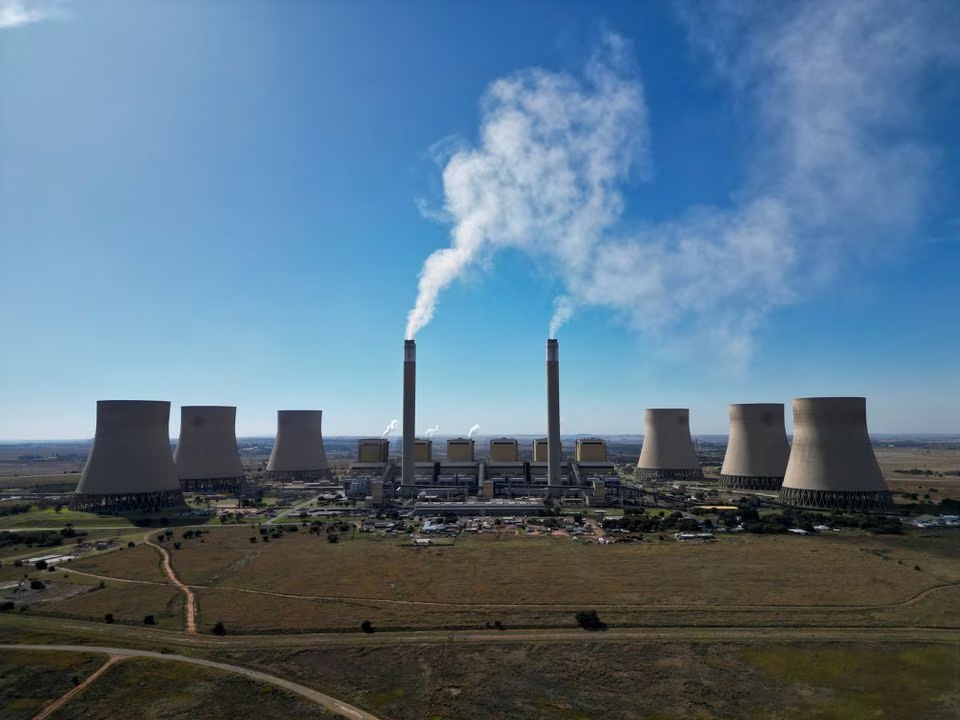
Two years ago, prominent nations including Britain, France, Germany, the European Union, and the United States pledged $8.5 billion at climate talks, a figure that has since increased with the inclusion of countries like the Netherlands, Denmark, Canada, Spain, and Switzerland. Despite these significant contributions, South Africa faces the daunting task of funding a comprehensive transition away from coal, which currently generates 80% of its power and synthesizes a third of its liquid fuel.



South African authorities estimate the total cost of this transition at a staggering 1.5 trillion rand ($78.44 billion). Negotiations are ongoing to potentially increase both the overall financial package and the portion designated as grants during the upcoming talks.

South Africa’s green energy vision encompasses multifaceted objectives. It aims to develop expertise in various sectors, including solar generation, electric vehicles, and green hydrogen production. Additionally, it seeks to support coal miners affected by job losses, encouraging private sector investments in projects that may offer lower financial returns but significant environmental benefits. The plan includes the retirement of coal plants, the expansion of renewable energy capacity, and the establishment of a green hydrogen export hub.
In preparation for COP28, an implementation plan will undergo cabinet approval by the end of October, presenting detailed insights into how South Africa intends to utilize the financial support received.
While South Africa’s progress in securing grants for its green energy transition is commendable, it highlights the broader challenge of financing a transformation on this scale. Balancing economic growth with environmental responsibility remains a formidable task, and negotiations at COP28 will be pivotal in determining the extent of international support for this ambitious endeavor. The global community’s response to South Africa’s call for increased grant-based funding will undoubtedly shape the nation’s path toward a sustainable, greener future.