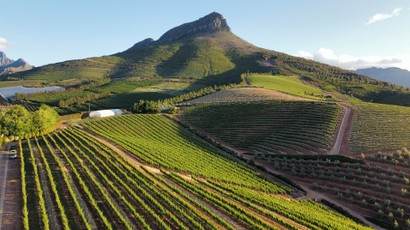
In a picturesque valley southeast of Cape Town, South Africa’s wine industry faces a daunting challenge as an energy crisis grips the nation, causing debilitating rolling blackouts. Berene Sauls, founder of Tesselaarsdal Wines, finds herself grappling with production delays and packaging issues due to the erratic power supply.
The energy crisis, stemming from decades of underinvestment in coal-fired power plants, has left state utility Eskom struggling to keep the lights on. Load shedding, as the locals call it, has led to outages lasting up to 12 hours a day, affecting schools, hospitals, restaurants, and businesses, which are left to rely on backup generators.
The impact of load shedding on the wine industry has been significant, with all stages of production affected, from irrigation to bottling. Interruptions in watering can result in vine stress, leading to reduced fruit size and yield. Refrigeration and climate control disruptions put harvested grapes at risk of becoming overripe or damaged. The crushing and pressing of grapes can also be jeopardized, leading to off-flavors during fermentation.



For winemakers like Berene Sauls, load shedding halts bottling lines, leading to production delays and wastage of packaging materials. The absence of a generator leaves her team in a frantic rush to package bottles before the next power cut. Despite the challenges, she manages to fulfill orders and avoid lost sales, maintaining production at around 10,500 bottles per year.

Not only is power sporadic, but it’s also more expensive, with Eskom allowed to increase prices to support its struggling plants. Elunda Basson, cellar master at Steenberg Vineyards, mentions the financial strain of paying for electricity at inflated rates and the additional diesel costs for running their generators.
The wine industry, which contributed over R55 billion to South Africa’s GDP last year, faces a 14.2% drop in the 2023 harvest, primarily due to weather conditions and uprooting vineyards due to disease. Intensively irrigated areas are also affected by the lack of electricity, negatively impacting crop sizes.
To address the crisis, the government of Western Cape province, home to the majority of the wine industry, has commissioned a report on the impact of blackouts. Officials are concerned about the sustainability of irrigated wine grape production if load shedding worsens beyond stage 6, a level reached multiple times this year.
In response, the national government has announced a fund to help farmers invest in alternative energy sources. However, smaller wineries face significant challenges as investing in generators proves to be financially burdensome.
The future of South Africa’s wine industry hangs in the balance as winemakers seek solutions to overcome the ongoing energy crisis. With load shedding affecting all aspects of production and profitability, support from the government and the international community becomes critical to preserve this historic and valuable industry.