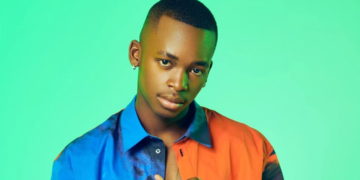
South African podcaster MacGyver Mukwevho, widely known as MacG, has indicated he is willing to undergo gender sensitisation training as part of a growing dispute with television presenter Minnie Dlamini, whose complaint of hate speech and discrimination is currently before the Johannesburg Equality Court. The development marks a significant moment in the ongoing debate about accountability among digital creators and the limits of comedic or provocative commentary in South Africa’s ever expanding podcasting space.
The dispute originated from an April episode of Podcast and Chill, where MacG and co host Sol Phenduka discussed Dlamini’s breakup with Dr Brian Monaisa. Their remarks, which included suggestions that Dlamini had pursued wealth through relationships and a crude comment about her hygiene, quickly drew public outrage. Many viewers interpreted the conversation as a form of slut shaming, while women’s rights groups and public figures condemned the episode as indicative of a wider culture of casual misogyny that persists in parts of the entertainment industry.
Dlamini later confirmed that she intended to pursue legal action, saying she had watched in disbelief as her name and body became the subject of what she described as vile and inexcusable commentary. She argued that such remarks do not simply amount to celebrity gossip but contribute to harmful attitudes that directly affect how women are treated both in public and private life.


In August she took the matter to the Equality Court, requesting a public apology from the hosts, a one and a half million rand contribution towards support programmes for survivors of gender based violence, and fifty hours of gender sensitisation training for both MacG and Phenduka. The case has since become a point of national discussion, raising questions about how platforms with millions of listeners should navigate commentary involving women’s bodies, relationships and reputation.
MacG’s affidavit, submitted in October, presents a more measured response than his public persona often suggests. He conceded that the unfiltered nature of his podcast can lead to mistakes and expressed regret for the distress caused. He insisted that his remarks during the April episode were speculative rather than factual and said he was prepared to refine and expand his apology in a way that meets Dlamini’s expectations. He also stated that he is willing to attend gender sensitisation training if the court deems it appropriate.
However, he pushed back against the financial component of Dlamini’s demands, arguing that the Equality Court is not the correct forum for a monetary claim. He maintained that if Dlamini believes the episode was defamatory she is free to pursue action through civil court. His response signals a partial concession while maintaining a firm stance on what he views as procedural fairness.
The Equality Court, which handles cases involving unfair discrimination and harmful speech, is expected to deliver a ruling in due course. A decision in Dlamini’s favour would carry implications far beyond this case. It could pave the way for mandatory sensitisation programmes for media personalities who face similar complaints and could reshape the expectations placed on influential digital creators who command large followings but often operate outside traditional broadcast regulations.
The case has also reignited discussion about gender based violence and public attitudes toward women, with advocates arguing that harmful rhetoric in entertainment contributes to a climate in which misogyny becomes normalised. For others, the dispute raises concerns about censorship and the balance between humour, commentary and legal accountability.
For now the spotlight remains on the court’s pending decision, with both sides expressing readiness to pursue resolution. Whether through compulsory mediation, mandated training or further legal action, the outcome is likely to leave a lasting imprint on South Africa’s media landscape.