The interim government of Bangladesh, under Mohammad Yunus, has granted the country’s Army magisterial powers for a two-month period to assist in managing the deteriorating law and order situation. This decision, aimed at curbing instability, was confirmed by Sami Ud Dowla Chowdhury, the director of the Inter-Services Public Relations (ISPR), who stated that the military would operate in alignment with government instructions.
A notification from the Ministry of Public Administration outlined that commissioned Army officers would hold these enhanced powers for 60 days. This authority is derived from several provisions of the Code of Criminal Procedure (CrPC), including sections 64, 65, 83, 84, 95(2), 100, 105, 107, 109, 110, 126, 127, 128, 130, 133, and 142. These laws empower officers to execute arrests, issue warrants, disperse unlawful gatherings, and handle property encroachments.



Law Adviser Asif Nazrul explained that the intervention was necessary due to increasing unrest, particularly in industrial areas. He expressed confidence that the military would use these powers responsibly and emphasized that their role would be temporary, only until the situation stabilizes.

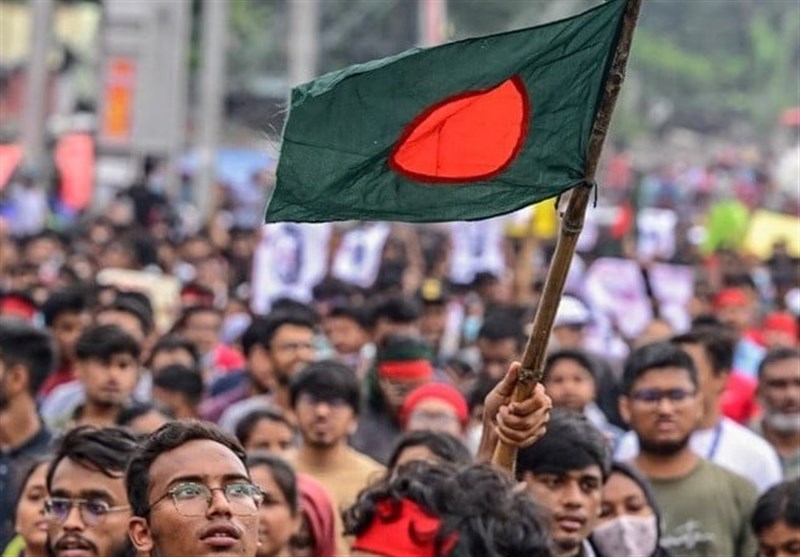
Bangladesh has faced rising political unrest, with violent street protests escalating in recent months. In August, widespread demonstrations over job quotas led to the resignation of Prime Minister Sheikh Hasina, leaving the nation in a state of uncertainty.