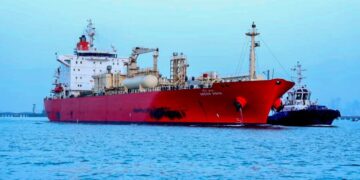
In a significant development, Algeria has promptly initiated the supply of fuel to Lebanon, following an announcement made by the Algerian state radio on Sunday. This crucial intervention comes in the wake of a dire situation in Lebanon, where the nation’s electricity company, Electricité du Liban (EDL), declared a nationwide power outage due to the exhaustion of its fuel reserves.
Lebanon, a country that has not experienced uninterrupted power supply since the 1990s, is grappling with a severe energy crisis that has exacerbated its already fragile economic condition. The chronic deficits incurred by EDL have significantly contributed to the accumulation of Lebanon’s staggering public debt, further complicating the nation’s financial distress. The reliance on cash transfers to subsidise EDL’s losses has been a central factor in the burgeoning fiscal deficit, which continues to weigh heavily on the nation’s economic stability.
On Saturday, EDL announced a complete cessation of power supply across Lebanon, a situation that extended to critical infrastructure, including the nation’s primary international gateway, the Beirut-Rafic Hariri International Airport. This development underscored the severity of the energy crisis, which has become a recurring issue amidst Lebanon’s broader socio-economic turmoil.
The Algerian state radio’s statement, while confirming the initiation of fuel shipments, refrained from providing specific details regarding the volume of the supply or the duration of the agreement. This assistance is poised to temporarily alleviate the immediate power shortage, yet it remains to be seen how this will impact Lebanon’s protracted energy crisis in the longer term.
EDL had earlier indicated that the restoration of power would be contingent upon securing new fuel supplies, potentially through a swap agreement with Iraq or other undisclosed sources. The Algerian intervention is thus timely, yet the lack of clarity surrounding the terms and sustainability of this fuel provision raises questions about the viability of Lebanon’s energy infrastructure moving forward.
The broader context of this development is emblematic of Lebanon’s deepening crisis, where a lack of functional governance and chronic mismanagement have precipitated one of the most severe economic collapses in modern history. The ongoing energy shortages are but one facet of the broader systemic failures that have left the Lebanese population in a state of protracted hardship, with no immediate resolution in sight.
As Lebanon continues to navigate these tumultuous times, the international community’s response, including Algeria’s recent decision, will be critical in determining the trajectory of the nation’s recovery efforts. However, without comprehensive structural reforms, the infusion of resources may only serve as a temporary palliative in the face of a crisis that requires sustained and robust solutions.