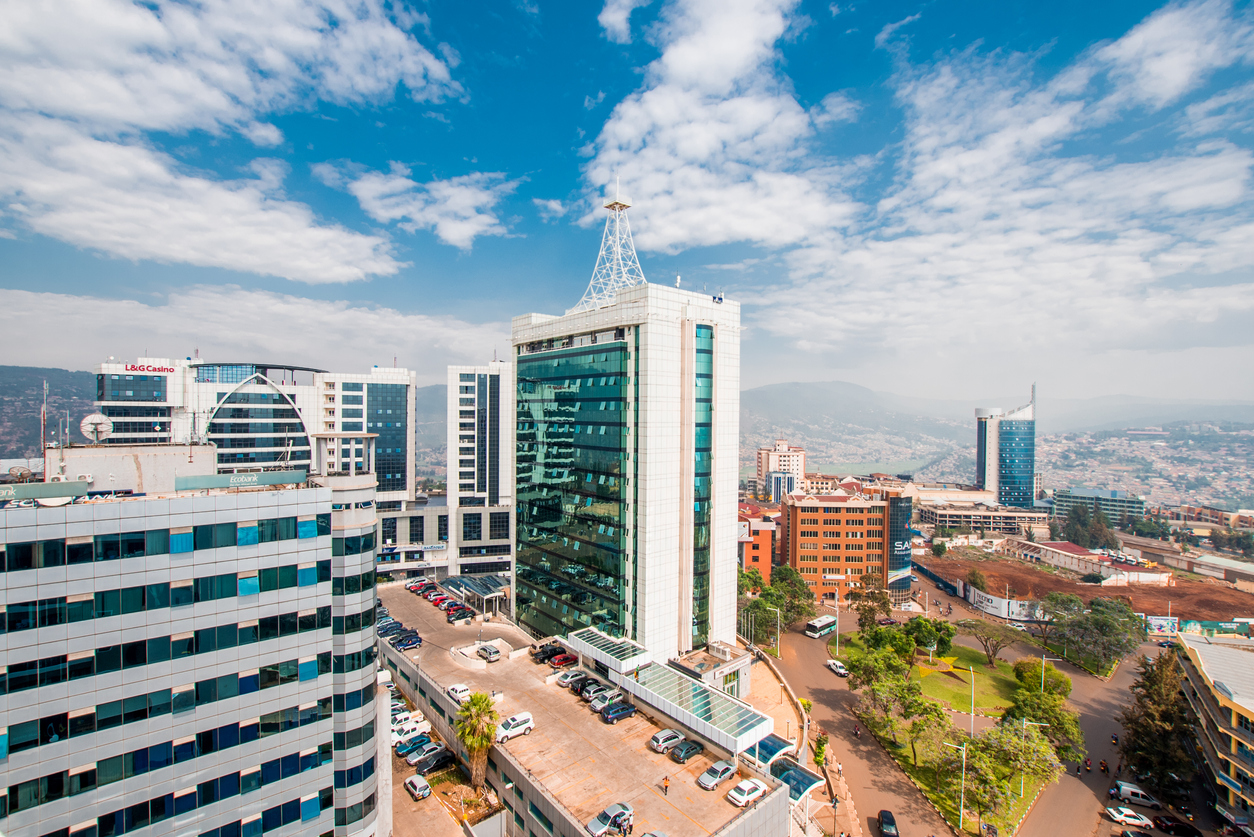
Foreign Direct Investment (FDI) into the African continent has experienced its most significant contraction in recent years, as documented in the Strategic Intelligence: FDI Trends in Africa (2025) report by GlobalData. While the global investment climate remains cautious, sectoral performance and regional disparities are becoming increasingly pronounced.
According to GlobalData’s proprietary FDI database, Africa’s share of global greenfield FDI projects dropped from 3.8% in 2024 to a mere 3% in the first quarter of 2025. This reduction continues a downward trajectory that began in 2021, when greenfield FDI capital expenditure peaked at $17 billion, subsequently falling to $6 billion in 2025. These figures highlight a broader realignment in global investment flows, with capital becoming more concentrated and risk-sensitive amid volatile geopolitical and economic conditions.
Despite this decline, certain positive developments have emerged. In January 2025, nearly 50 nations ratified the African Continental Free Trade Area (AfCFTA), reinforcing momentum towards a unified continental market across all 54 African countries. Simultaneously, a Comprehensive Economic Partnership Agreement was formalised between the United Arab Emirates (UAE) and Kenya, indicating growing bilateral cooperation and a willingness to diversify investment ties beyond traditional partners.



Analysts at GlobalData argue that while challenges persist—particularly limited access to international credit markets and entrenched institutional barriers—FDI remains a crucial tool for addressing economic disparities. According to economist Ollie Brown, the widespread adoption of AfCFTA signifies a turning point in Africa’s quest for economic self-determination. The deepening of intra-continental trade is expected to foster more equitable and strategically aligned investment patterns, even if short-term prospects remain muted.
The structural transformation of FDI in Africa is most clearly evident across three axes: volume, sectoral composition, and source diversification. Project volume has fallen significantly, from 615 greenfield investments in 2022 to 448 in 2024. Concurrently, greenfield capex dropped from $17 billion in 2021 to $10 billion in 2024, suggesting that investors are pursuing more selective and strategically-aligned engagements rather than broad-based expansion.
In regional terms, North Africa continues to dominate the FDI landscape. Egypt and Morocco remain the continent’s top FDI destinations, bolstered by stable governance and strategic geographic positioning. Egypt’s $35 billion megaproject with the UAE has considerably skewed regional inflows, while Morocco has capitalised on nearshoring trends from Europe, aided by political stability and business-friendly reforms. South Africa remains the third most attractive destination by project volume, though its performance lags behind in attracting large-scale capital.

Conversely, economies such as Kenya, Tanzania and Tunisia have faced setbacks due to rising sovereign debt and ongoing regulatory ambiguities. Despite signing new trade agreements, investor confidence remains uneven, dependent more on broader global sentiment than on domestic policy alone.
In terms of sectors, software and IT services have received the lion’s share of attention, accounting for 19% of all FDI projects between 2022 and 2024. Countries such as Kenya, Nigeria and Egypt have emerged as key nodes in the African tech landscape, aided by favourable execution environments and growing digital infrastructure. Communications and media (8%), renewables and alternative energy (7%), and metals and minerals (5%) also attracted substantial investment.
A notable discrepancy exists in the renewable energy sector. Although 32% of all FDI announcements between 2022 and 2024 were aimed at renewable power, only 7% of these translated into operational projects. The gap, according to GlobalData, stems from the capital-intensive nature of energy projects, long development cycles, and persistent regulatory bottlenecks. In contrast, tech and service-based sectors offer a lower threshold for entry and faster implementation, making them more attractive for short- to medium-term investors.
The origin of investment is also shifting. While the United States remains Africa’s largest investor—announcing 137 projects from 2023 to 2025—its future engagement is uncertain due to internal funding cuts to agencies like the Development Finance Corporation, a subsidiary of USAID. These cuts may impair US-backed initiatives such as Prosper Africa, previously instrumental in catalysing regional investment.
At the same time, the role of non-traditional players has expanded. The UAE, leveraging state-backed entities such as Mubadala and EDQ, has significantly increased its footprint in African markets. According to economist Doha Ahmed, this trend reflects the growing strategic use of FDI as a geopolitical instrument—one that blurs the boundary between economic cooperation and political influence.
In conclusion, while the FDI climate in Africa faces considerable headwinds in 2025, structural developments point to a reorientation towards sustainability, technology and manufacturing. With the AfCFTA framework gaining traction and new global partnerships emerging, African governments are expected to prioritise regulatory clarity, infrastructural investment, and market liberalisation to attract resilient, long-term capital.