
Sunday, October 11, 2026
  • Login
The Southern African Times
  • Home
  • Southern Africa
  • Business
    • African Start ups
    • African Continental Free Trade Area
  • Technology
    • Lifestyle
      • Health
      • Culture
      • Food and Drink
      • Entertainment
  • Opinion
  • Sports
  • SAT Jobs
    • Events
  • About Us
    • Advertise with Us
    • Contact Us
No Result
View All Result
The Southern African Times
No Result
View All Result
Home Just In

African Development Bank Rebuts World Bank President’s comments on Africa’s debt profile

by Farai Muvuti
February 18, 2020
in Just In
0
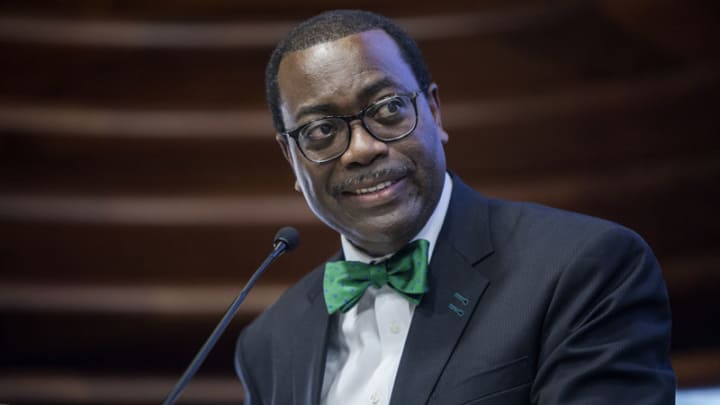
African Development Bank Rebuts World Bank President’s comments on Africa’s debt profile

In several news reports, World Bank President David Malpass was recently quoted as saying some Multilateral Development Banks, including the African Development Bank, have a tendency to lend too quickly and in the process, add to the continent’s debt problems.

This statement is inaccurate and not fact based. It impugns the integrity of the African Development Bank, undermines our governance systems, and incorrectly insinuates that we operate under different standards from the World Bank. The very notion goes against the spirit of multilateralism and our collaborative work.

For the record, the African Development Bank maintains a very high global standard of transparency. In the 2018 Publish What You Fund report, our institution was ranked the 4th most transparent institution, globally.


ADVERTISEMENT

The African Development Bank provides a strong governance program for our regional member countries that focuses on public financial management, better and transparent natural resources management, sustainable and transparent debt management and domestic resource mobilization. We have spearheaded the issuance of local currency financing to several countries to mitigate the impacts of foreign exchange risks, while supporting countries to improve tax collection and tax administration, and leveraging pension funds and sovereign wealth funds to direct more monies into financing development programs, especially infrastructure.

The African Development Bank’s Africa Legal Support Facility (ALSF) supports countries to negotiate terms of their royalties and taxes to international companies, and terms of their non-concessional loans to some bilateral financiers. We have been highly successful in doing so.

These are the facts:

The World Bank, with a more substantial balance sheet, has significantly larger operations in Africa than the African Development Bank. The World Bank’s operations approved for Africa in the 2018 fiscal year amounted to US $20.2 billion, compared to US $10.1 billion by the African Development Bank.

With regard to Nigeria and South Africa, the World Bank’s outstanding loans for the 2018 fiscal year to both countries stood at US $8.3 billion and US $2.4 billion, respectively. In contrast, the outstanding amounts for the African Development Bank Group to Nigeria and South Africa were US $2.1 billion and US $2.0 billion, respectively, for the same fiscal year.

With reference to the countries described as “heavily indebted,” our Bank recognizes and closely monitors the upward debt trend. However, there is no systemic risk of debt distress.

According to the 2020 African Economic Outlook, at the end of June 2019, total public debt in Nigeria amounted to $83.9 billion, 14.6% higher than the year before. That debt represented 20.1% of GDP, up from 17.5% in 2018. Of the total public debt, domestic public debt amounted to $56.7 billion while external public debt was $27.2 billion (representing 32.4% of total public debt). South Africa’s national government debt was estimated at 55.6% of GDP in 2019, up from 52.7% in 2018. South Africa raises most of its funding domestically, with external public debt accounting for only 6.3% of the country’s GDP.

Development Banks continue to play critical roles in development efforts and in the aspirations of developing countries, most especially in Africa.

Given substantial financing needs on the African continent, the development assistance of the African Development Bank, the World Bank and other development partners remain vitally important, with increasing calls for such institutions to do even more.

The African Development Bank Headquarters in Tunis, Tunisia,

The lending, policy, and advisory services of these development institutions in their respective regions are often coordinated and provide substantially better value-for-money to developing nations, compared to other sources of financing. As a result of the African Development Bank’s AAA-rated status, we source funding on highly competitive terms and pass on favorable terms to our regional member countries. Combined with other measures to ensure funds are used for intended purposes, it helps regional member countries finance debt and development in the most responsible and sustainable way.

With regard to the need for better lending coordination and the maintenance of high standards of transparency, the African Development Bank coordinates lending activities, especially its public sector policy-based loans, closely with sister International Financial Institutions (notably the World Bank and the IMF). This includes reliance on the IMF and World Bank’s Debt Sustainability Analyses (DSA) to determine the composition of our financial assistance to low-income countries; and joint institutional approaches for addressing debt vulnerabilities in the African Development Fund (ADF) and International Development Association (IDA) countries.

In addition, country economists of the African Development Bank fully participate in regional and country level IMF Article 4 missions. Contrary to suggestions, these are just a few concrete examples of historic and ongoing coordination between sister Multilateral Development Banks, IFIs, and development partners. The African Development Bank is committed to the development of the African continent. It has a vested interest in closely monitoring debt drivers and trends in African countries as it supports them in their efforts to improve the lives of the people of Africa.

We are of the view that the World Bank could have explored other available platforms to discuss debt concerns among Multilateral Development Banks. The general statement by the President of the World Bank Group insinuating that the African Development Bank contributes to Africa’s debt problem and that it has lower standards of lending is simply put: misleading and inaccurate.

Previous Post

Amazon’s Jeff Bezos pledges $10bn to tackle climate change

Next Post

Ethiopia accepts financial support from the US for political reform

Farai Muvuti

Related Posts

BREAKING NEWS| South Africa’s Reserve Bank Slashes Interest Rates by 25 Basis Points, Repo Now at 7%
Just In

BREAKING NEWS| South Africa’s Reserve Bank Slashes Interest Rates by 25 Basis Points, Repo Now at 7%

by Times Reporter
July 31, 2025
South Africa Struggles to Keep G20 Poverty Talks on Track Amid Aid Cuts and No-Shows
Just In

South Africa Struggles to Keep G20 Poverty Talks on Track Amid Aid Cuts and No-Shows

by Farai Muvuti
February 26, 2025
Former Zimbabwean Vice-President Phelekezela Mphoko Passes Away
Just In

Former Zimbabwean Vice-President Phelekezela Mphoko Passes Away

by Leo Muzivoreva
December 6, 2024
President Ramaphosa to Announce New Cabinet on Sunday Evening
Just In

President Ramaphosa to Announce New Cabinet on Sunday Evening

by Farai Muvuti
June 30, 2024
Madagascar’s Ruling Party Loses Parliamentary Majority
Just In

Madagascar’s Ruling Party Loses Parliamentary Majority

by Farai Muvuti
June 12, 2024
Next Post
Ethiopia accepts financial support from the US for political reform

Ethiopia accepts financial support from the US for political reform

Browse by Category

  • Africa AI
  • African Continental Free Trade Area
  • African Debt
  • African Start ups
  • Agriculture
  • AI Africa
  • Algeria
  • All News
  • Analysis
  • Angola
  • Arts / Culture
  • Asia
  • Botswana
  • BOTSWANA
  • BREAKING NEWS
  • BRICS
  • Burkina Faso
  • Burundi
  • Business
  • Business
  • Business Wire
  • Cameroon
  • Central Africa
  • Chad
  • China
  • Climate Change
  • Climate Changev
  • Community
  • Congo Republic
  • Conservation
  • Côte d’Ivoire
  • COVID 19
  • CRYPTOCURRENCY
  • Culture
  • Democratic Republic of Congo
  • Diplomacy
  • Eastern Africa
  • Economic Development
  • Economy
  • Education
  • Egypt
  • Elections 2024
  • Energy
  • Entertainment
  • Environment
  • Eritrea
  • Ethiopia
  • Europe
  • Fashion
  • Feature
  • Finance
  • Financial Inclusion
  • Food
  • Food and Drink
  • Foods
  • GABON
  • Ghana
  • Global
  • Global Africa
  • Guinea
  • Health
  • Humanitarian Aid
  • Immigration
  • in Southern Africa
  • International news
  • International Relations
  • Investment
  • Ivory Coast
  • Just In
  • Kenya
  • Lesotho
  • Libya
  • Life Style
  • Lifestyle
  • Literature
  • Malawi
  • Malawi
  • Mali
  • Markets
  • Mauritius
  • Middle East
  • Mining in Africa
  • Morocco
  • Mozambique
  • Namibia
  • Niger
  • niger
  • Nigeria
  • North Africa
  • North-Eastern Africa
  • Obituaries
  • Obituary
  • Opinion
  • PARTNER CONTENT
  • Politics
  • Property
  • Racism
  • Rwanda
  • Rwanda
  • SADC
  • SAT Interviews
  • SAT Investigation
  • SAT Jobs
  • Saudi Arabia
  • Senegal
  • Seychelles
  • Somaliland
  • South Africa
  • South Sudan
  • Sports
  • Startup Africa
  • STOCK EXCHANGE
  • Sudan
  • Sustainability
  • Sustainablity
  • Tanzania
  • Technology
  • Telecommunications
  • The Editorial Board
  • The Power Of She
  • Togo
  • Trade
  • Travel
  • Travel
  • Tunisia
  • Uganda
  • Uncategorized
  • Wealth
  • West Africa
  • World
  • World
  • ZAMBIA
  • Zambia
  • ZIMBABWE
  • Zimbabwe

Browse by Tags

#NewsUpdate #SouthAfrica #SouthernAfricanTimes #TheSouthernAfricanTimes AfCFTA africa African Continental Free Trade Area African development African economies African economy African Union Agriculture Angola Botswana China Climate change critical minerals Cyril Ramaphosa Economic Development economic growth energy transition industrialisation Inflation Infrastructure Infrastructure Development International relations Investment Kenya Mining Mozambique Namibia news Nigeria Regional Integration renewable energy Rwanda SADC South Africa Southern Africa Southern African Times sustainable development Tanzania west africa Zambia Zimbabwe
ADVERTISEMENT

WHO WE ARE

The Southern African Times is a regional bloc digital newspaper that covers Southern African and world news. The paper also gives a nuanced analysis on news and covers a wide range of reporting which include sports, entertainment, foreign affairs, arts and culture.

Welcome Back!

Login to your account below

Forgotten Password?

Retrieve your password

Please enter your username or email address to reset your password.

Log In
  • Home
  • Southern Africa
  • Business
    • African Start ups
    • African Continental Free Trade Area
  • Technology
    • Lifestyle
      • Health
      • Culture
      • Food and Drink
      • Entertainment
  • Opinion
  • Sports
  • SAT Jobs
    • Events
  • About Us
    • Advertise with Us
    • Contact Us