Sunday, June 28, 2026
  • Login
The Southern African Times
  • Home
  • Southern Africa
  • Business
    • African Start ups
    • African Continental Free Trade Area
  • Technology
    • Lifestyle
      • Health
      • Culture
      • Food and Drink
      • Entertainment
  • Opinion
  • Sports
  • SAT Jobs
    • Events
  • About Us
    • Advertise with Us
    • Contact Us
No Result
View All Result
  • Home
  • Southern Africa
  • Business
    • African Start ups
    • African Continental Free Trade Area
  • Technology
    • Lifestyle
      • Health
      • Culture
      • Food and Drink
      • Entertainment
  • Opinion
  • Sports
  • SAT Jobs
    • Events
  • About Us
    • Advertise with Us
    • Contact Us
No Result
View All Result
The Southern African Times
No Result
View All Result
Home Business Business

Kenyan foodtech startup Kune raises $1M pre-seed for its ready-to-eat meals service

by SAT Reporter
June 18, 2021
in Business, Startup Africa, Technology
0
Kenyan foodtech startup Kune raises $1M pre-seed for its ready-to-eat meals service

(The Southern African Times) – While there has been a wave of innovation in food tech worldwide, it’s still in early days for Africa. There are only a handful of African food-tech startups, and a year and a half’s worth of global pandemic has added a couple to that list.

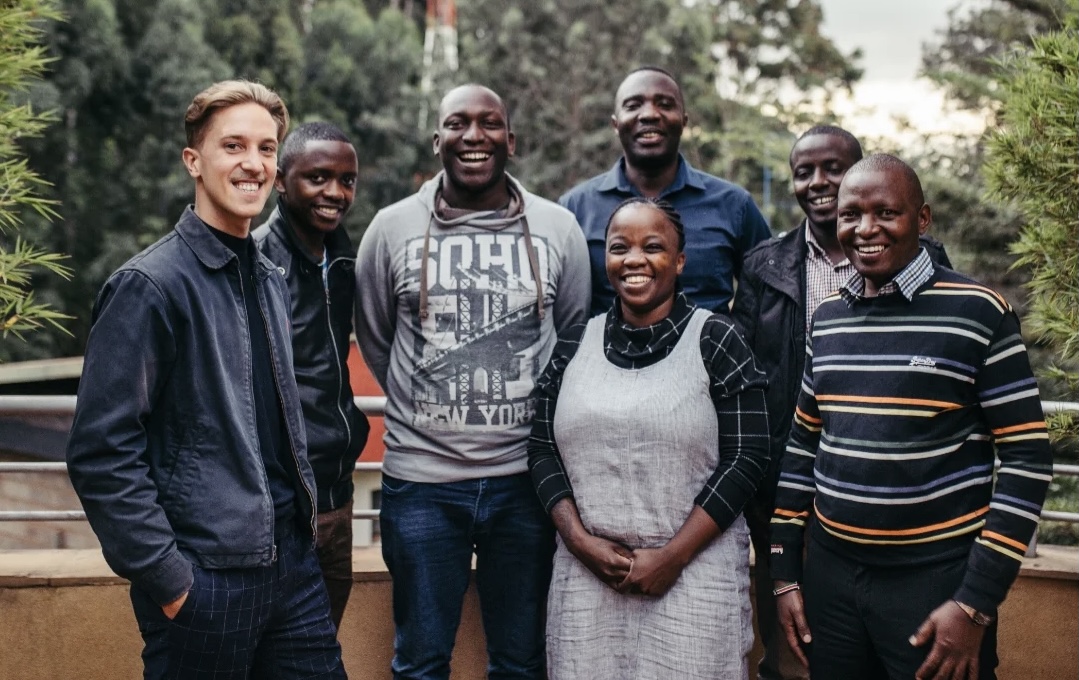
Kune is one of the most recent food-tech startups, and today, the six-month-old Kenyan-based company is announcing that it has closed a $1 million pre-seed round to launch its on-demand food service in August.

Pan-African venture capital firm Launch Africa Ventures led the pre-seed round. Other investors that took part include Century Oak Capital GmbH and Consonance, with a contribution from ecosystem management firm Pariti. 

ADVERTISEMENT

Founded by CEO Robin Reecht in December 2020, Kune delivers freshly made, ready-to-eat meals at arguably affordable prices. When Reetch first came to Kenya from France in November 2020, it wasn’t easy to get affordable ready-to-eat meals. 

“After three days of coming into Kenya, I asked where I can get great food at a cheap price, and everybody tell me it’s impossible,” he told TechCrunch. “It’s impossible because either you go to the street and you eat street food, which is reallycheap but with not-so-good quality, or you order on Uber Eats, Glovo or Jumia, where you get quality but you have to pay at least $10.”

Reetch noticed a gap in the market and sought to fill it. The next month, he decided to start Kune. The goal? To provide affordable, convenient and tasty meals. It took a week to develop a pilot, and with a ready waitlist of 50 customers in a particular office space, his plans were in motion. Kune sold more than 500 meals ($4 average) and tripled its customer base from 50 to 150. 

Customers were particularly excited about the product and Kune raised $50,000 from them to continue operations, Reetch said. After that, however, the orders became too large for the small team that they couldn’t keep up; at one point, it received 50 orders per day. Thus, instead of advancing with a momentum that could break down, the team took a hiatus.

“We had started to mess up the order because, you know, it’s complicated to get food right when you’re just in a small kitchen setting. So I said okay, that there is no point doing that, and the demand is so high and better to do things right.”

The next months were spent restructuring the company, making hires and building a factory to produce 5,000 meals per day. Then, when the company was ready to raise, Reetch said he saw the same enthusiasm from customers and investors. In two months, Kune closed this round, one of the largest in East Africa, and is one of the few non-fintechs to have raised a seven-figure pre-seed round on the continent.

In a fast-growing and crowded restaurant and food delivery marketplace in Kenya, Kune wants to offer a new way for busy people in Nairobi to access meals by finding a balance between Kibanda pricing (usually referred to as the typical local roadside food shop) and on-demand food delivery prices from global companies.

Kune applies a hybrid model, combining both cloud and dark kitchen concepts. Kune meals are cookedand packaged in its factory and delivered directly to online, retail and corporate customers.

The hybrid model speaks to why Launch Africa cut a check for Kune. And according to the director of the firm, Baljinder Sharma, “leveraging the cloud kitchen model and owning the entire supply chain provides a massive growth and scaling opportunity for Kune Africa.” He added: “We are looking forward to seeing the business take off and grow.”

Kune plans to fully launch in August after its new factory is completed. Per details on its site, the company is promising customers that delivery will be done on an average of 30 minutes daily.

To achieve this, Kune ensures that it owns the entire supply chain, from cooking to packaging to delivery with its own drivers and motorbikes. “Our strategy is to internalize all production and human resources capacities,” he stated. That’s where Kune will put most of the funds to use going forward. In addition to the factory, which costs about 10% of the total investment, Kune will be looking to build a huge team. Reetch tells me that judging by how operations-heavy Kune is, the team size will reach 100 come December.

Once launched, the company will build its own fleet of 100 electric motorcycles by early 2022. In addition, there are plans to hire 100 female drivers.

Currently, Kune showcases three different meals daily: two continental dishes and one foreign meal. In the coming months and quarters, Kune’s offerings will cut across microwavable meals, weight reduction meals and retail meals to target European and U.S. clients. For the latter, Reetch is enthusiastic about exporting the African food culture to Western countries. As someone who travels a lot, the CEO thinks Kenya, unlike other countries, doesn’t have a strong food culture. He references food media like TV shows where various meals and cuisines and tutorings on how to cook food are showcased. Reetch wants Kune to be the go-to for such programs in Kenya.

“In Kenya, we don’t have any culinary show. So we are going to take that position as the culinary major of Kenya, and how do you create this? By creating amazing content, which we plan to do by creating videos and writing articles on how to cook or maybejust food business in general.”

Previous Post

Goldman Sachs on collision course with South Africa’s biggest banks

Next Post

Kenya Airways will resume flights from London Heathrow on 26th June

SAT Reporter

Related Posts

Harare Set to Host Key Stop in Pan-African Electric Vehicle Expedition
Technology

Harare Set to Host Key Stop in Pan-African Electric Vehicle Expedition

by SAT Reporter
June 16, 2026
Altiora Partnerships Eyes Expanded Africa Focus at London Tech Week 2026
Technology

Altiora Partnerships Eyes Expanded Africa Focus at London Tech Week 2026

by Times Reporter
June 8, 2026
Pick n Pay Raises R4.7bn from Boxer Stake Sale to Fund Turnaround
Business

Pick n Pay Raises R4.7bn from Boxer Stake Sale to Fund Turnaround

by SAT Reporter
May 19, 2026
Uganda Grants Starlink Licence in Boost to Internet Competition
Business

Uganda Grants Starlink Licence in Boost to Internet Competition

by SAT Reporter
May 16, 2026
Namibia and Angola formalise subsea cable partnership to strengthen regional connectivity
Angola

Namibia and Angola formalise subsea cable partnership to strengthen regional connectivity

by SAT Reporter
April 28, 2026
Next Post
Kenya Airways will resume flights from London Heathrow on 26th June

Kenya Airways will resume flights from London Heathrow on 26th June

Browse by Category

  • Africa AI
  • African Continental Free Trade Area
  • African Debt
  • African Start ups
  • Agriculture
  • AI Africa
  • Algeria
  • All News
  • Analysis
  • Angola
  • Arts / Culture
  • Asia
  • Botswana
  • BOTSWANA
  • BREAKING NEWS
  • BRICS
  • Burkina Faso
  • Burundi
  • Business
  • Business
  • Business Wire
  • Cameroon
  • Central Africa
  • Chad
  • China
  • Climate Change
  • Climate Changev
  • Community
  • Congo Republic
  • Conservation
  • Côte d’Ivoire
  • COVID 19
  • CRYPTOCURRENCY
  • Culture
  • Democratic Republic of Congo
  • Diplomacy
  • Eastern Africa
  • Economic Development
  • Economy
  • Education
  • Egypt
  • Elections 2024
  • Energy
  • Entertainment
  • Environment
  • Eritrea
  • Ethiopia
  • Europe
  • Fashion
  • Feature
  • Finance
  • Financial Inclusion
  • Food
  • Food and Drink
  • Foods
  • GABON
  • Ghana
  • Global
  • Global Africa
  • Guinea
  • Health
  • Humanitarian Aid
  • Immigration
  • in Southern Africa
  • International news
  • International Relations
  • Investment
  • Ivory Coast
  • Just In
  • Kenya
  • Lesotho
  • Libya
  • Life Style
  • Lifestyle
  • Literature
  • Malawi
  • Malawi
  • Mali
  • Markets
  • Mauritius
  • Middle East
  • Mining in Africa
  • Morocco
  • Mozambique
  • Namibia
  • niger
  • Niger
  • Nigeria
  • North Africa
  • North-Eastern Africa
  • Obituaries
  • Obituary
  • Opinion
  • PARTNER CONTENT
  • Politics
  • Property
  • Racism
  • Rwanda
  • Rwanda
  • SADC
  • SAT Interviews
  • SAT Investigation
  • SAT Jobs
  • Saudi Arabia
  • Senegal
  • Seychelles
  • Somaliland
  • South Africa
  • South Sudan
  • Sports
  • Startup Africa
  • STOCK EXCHANGE
  • Sudan
  • Sustainability
  • Sustainablity
  • Tanzania
  • Technology
  • Telecommunications
  • The Editorial Board
  • The Power Of She
  • Togo
  • Trade
  • Travel
  • Travel
  • Tunisia
  • Uganda
  • Uncategorized
  • Wealth
  • West Africa
  • World
  • World
  • ZAMBIA
  • Zambia
  • ZIMBABWE
  • Zimbabwe

Browse by Tags

#NewsUpdate #SouthAfrica #SouthernAfricanTimes #TheSouthernAfricanTimes AfCFTA africa African Continental Free Trade Area African development African Development Bank African economies African economy African Union Agriculture Angola Botswana China Climate change Cyril Ramaphosa Economic Development economic growth energy transition fiscal policy governance industrialisation Inflation Infrastructure Infrastructure Development International relations Investment Kenya Mozambique Namibia news Nigeria Regional Integration renewable energy Rwanda SADC South Africa Southern Africa sustainable development Tanzania United States Zambia Zimbabwe
ADVERTISEMENT

WHO WE ARE

The Southern African Times is a regional bloc digital newspaper that covers Southern African and world news. The paper also gives a nuanced analysis on news and covers a wide range of reporting which include sports, entertainment, foreign affairs, arts and culture.

Welcome Back!

Login to your account below

Forgotten Password?

Retrieve your password

Please enter your username or email address to reset your password.

Log In
  • Home
  • Southern Africa
  • Business
    • African Start ups
    • African Continental Free Trade Area
  • Technology
    • Lifestyle
      • Health
      • Culture
      • Food and Drink
      • Entertainment
  • Opinion
  • Sports
  • SAT Jobs
    • Events
  • About Us
    • Advertise with Us
    • Contact Us
Not enough quota to unlock this post
Unlock left : 0
Are you sure want to cancel subscription?