Thursday, May 14, 2026
  • Login
The Southern African Times
  • Home
  • Southern Africa
  • Business
    • African Start ups
    • African Continental Free Trade Area
  • Technology
    • Lifestyle
      • Health
      • Culture
      • Food and Drink
      • Entertainment
  • Opinion
  • Sports
  • SAT Jobs
    • Events
  • About Us
    • Advertise with Us
    • Contact Us
No Result
View All Result
  • Home
  • Southern Africa
  • Business
    • African Start ups
    • African Continental Free Trade Area
  • Technology
    • Lifestyle
      • Health
      • Culture
      • Food and Drink
      • Entertainment
  • Opinion
  • Sports
  • SAT Jobs
    • Events
  • About Us
    • Advertise with Us
    • Contact Us
No Result
View All Result
The Southern African Times
No Result
View All Result
Home Environment

World Wildlife Plummets More Than Two-Thirds in 50 Years

by SAT Reporter
September 11, 2020
in Environment
0
World Wildlife Plummets More Than Two-Thirds in 50 Years

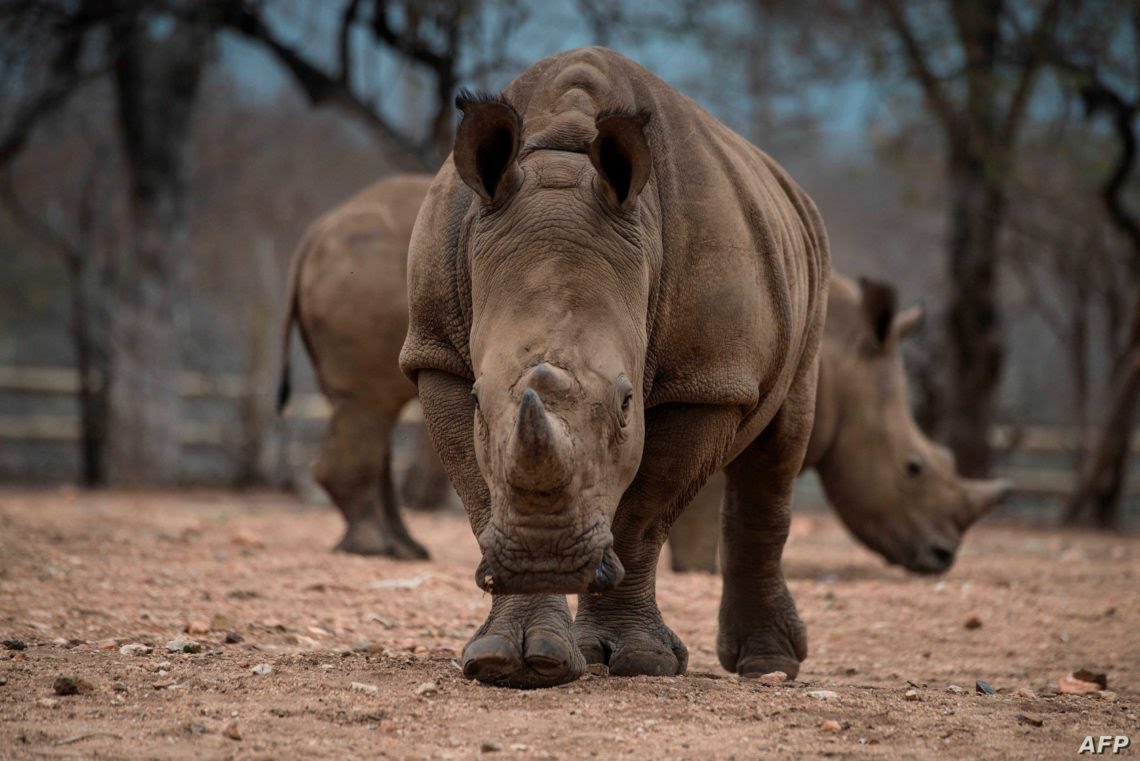
LONDON (The Southern African Times) – Between 1970 and 2016, global populations of vertebrates – birds, fish, mammals, amphibians and reptiles – declined by an average of 68%. 

This is a figure according to the World Wildlife Fund (WWF) that reminds us, every two years, of the dramatic scale of biodiversity loss. 

On Thursday, September 10, the organization published an update of its “Living Planet Index” (LPI), on the occasion of the thirteenth edition of its report on the state of biodiversity.


ADVERTISEMENT

According to a new report, animal populations have declined by such a staggering amount, that only an overhaul of the world’s economic systems could possibly reverse the damage.

Nearly 21,000 monitored populations of mammals, fish, birds, reptiles and amphibians, encompassing almost 4,400 species around the world, have declined. Species in Latin America and the Caribbean, as well as global freshwater habitats, were disproportionately impacted, declining, on average, 94% and 84%, respectively.

The latest report indicates that the rate populations are declining “signal a fundamentally broken relationship between humans and the natural world, the consequences of which — as demonstrated by the ongoing COVID-19 pandemic — can be catastrophic.”

The report blames humans alone for the “dire” state of the planet and points to the exponential growth of human consumption, population, global trade and urbanization over the last 50 years as key reasons for the unprecedented decline of Earth’s resources — which it says the planet is incapable of replenishing.

The overuse of these finite resources by at least 56% has had a devastating effect on biodiversity, which is crucial to sustaining human life on Earth. “It is like living off 1.56 Earths,” Mathis Wackernagel, David Lin, Alessandro Galli and Laurel Hanscom from the Global Footprint Network said in the report.

Previous Post

Economics of Politics, Zimbabwe’s Reserve Bank needs autonomy

Next Post

Development partners aim to scale up food systems in Africa post-COVID-19

SAT Reporter

Related Posts

Waste Colonialism and the Burden of Electronic Waste in Africa
Environment

Waste Colonialism and the Burden of Electronic Waste in Africa

by SAT Reporter
April 10, 2026
South Africa Reports 16 Percent Decrease in Rhino Poaching in 2025
Environment

South Africa Reports 16 Percent Decrease in Rhino Poaching in 2025

by SAT Reporter
February 11, 2026
One in Five Mammal Species Face Extinction in Southern Africa, Regional Report Warns
Environment

One in Five Mammal Species Face Extinction in Southern Africa, Regional Report Warns

by SAT Reporter
January 22, 2026
Investing in Nature Could Unlock Trillions for the Global Economy, Says UN Report
Environment

Investing in Nature Could Unlock Trillions for the Global Economy, Says UN Report

by SAT Reporter
December 10, 2025
Mont-aux-Sources Weather Station Boosts Climate and Water Monitoring
Environment

Mont-aux-Sources Weather Station Boosts Climate and Water Monitoring

by SAT Reporter
December 2, 2025
Next Post
Development partners aim to scale up food systems in Africa post-COVID-19

Development partners aim to scale up food systems in Africa post-COVID-19

Browse by Category

  • Africa AI
  • African Continental Free Trade Area
  • African Debt
  • African Start ups
  • Agriculture
  • AI Africa
  • Algeria
  • All News
  • Analysis
  • Angola
  • Arts / Culture
  • Asia
  • Botswana
  • BOTSWANA
  • BREAKING NEWS
  • BRICS
  • Burkina Faso
  • Burundi
  • Business
  • Business
  • Business Wire
  • Cameroon
  • Central Africa
  • Chad
  • China
  • Climate Change
  • Climate Changev
  • Community
  • Congo Republic
  • Conservation
  • Côte d’Ivoire
  • COVID 19
  • CRYPTOCURRENCY
  • Culture
  • Democratic Republic of Congo
  • Diplomacy
  • Eastern Africa
  • Economic Development
  • Economy
  • Education
  • Egypt
  • Elections 2024
  • Energy
  • Entertainment
  • Environment
  • Eritrea
  • Ethiopia
  • Europe
  • Fashion
  • Feature
  • Finance
  • Financial Inclusion
  • Food
  • Food and Drink
  • Foods
  • GABON
  • Ghana
  • Global
  • Global Africa
  • Guinea
  • Health
  • Immigration
  • in Southern Africa
  • International news
  • International Relations
  • Investment
  • Ivory Coast
  • Just In
  • Kenya
  • Lesotho
  • Libya
  • Life Style
  • Lifestyle
  • Literature
  • Malawi
  • Malawi
  • Mali
  • Markets
  • Mauritius
  • Middle East
  • Mining in Africa
  • Morocco
  • Mozambique
  • Namibia
  • Niger
  • niger
  • Nigeria
  • North Africa
  • North-Eastern Africa
  • Obituaries
  • Obituary
  • Opinion
  • PARTNER CONTENT
  • Politics
  • Property
  • Racism
  • Rwanda
  • Rwanda
  • SADC
  • SAT Interviews
  • SAT Investigation
  • SAT Jobs
  • Saudi Arabia
  • Senegal
  • Seychelles
  • Somaliland
  • South Africa
  • South Sudan
  • Sports
  • Startup Africa
  • STOCK EXCHANGE
  • Sudan
  • Sustainability
  • Sustainablity
  • Tanzania
  • Technology
  • Telecommunications
  • The Editorial Board
  • The Power Of She
  • Togo
  • Trade
  • Travel
  • Travel
  • Tunisia
  • Uganda
  • Uncategorized
  • Wealth
  • West Africa
  • World
  • World
  • ZAMBIA
  • Zambia
  • ZIMBABWE
  • Zimbabwe

Browse by Tags

#NewsUpdate #SouthAfrica #SouthernAfricanTimes #TheSouthernAfricanTimes AfCFTA africa African Continental Free Trade Area African development African Development Bank African economies African economy African Union Agriculture Angola Botswana Business China Climate change Cyril Ramaphosa Economic Development economic growth energy transition governance industrialisation Inflation Infrastructure Infrastructure Development International relations Investment Kenya Mozambique Namibia news Nigeria Regional Integration renewable energy Rwanda SADC South Africa Southern Africa sustainable development Tanzania United States Zambia Zimbabwe
ADVERTISEMENT

WHO WE ARE

The Southern African Times is a regional bloc digital newspaper that covers Southern African and world news. The paper also gives a nuanced analysis on news and covers a wide range of reporting which include sports, entertainment, foreign affairs, arts and culture.

Welcome Back!

Login to your account below

Forgotten Password?

Retrieve your password

Please enter your username or email address to reset your password.

Log In

  • Home
  • Southern Africa
  • Business
    • African Start ups
    • African Continental Free Trade Area
  • Technology
    • Lifestyle
      • Health
      • Culture
      • Food and Drink
      • Entertainment
  • Opinion
  • Sports
  • SAT Jobs
    • Events
  • About Us
    • Advertise with Us
    • Contact Us
Are you sure want to unlock this post?
Unlock left : 0
Are you sure want to cancel subscription?