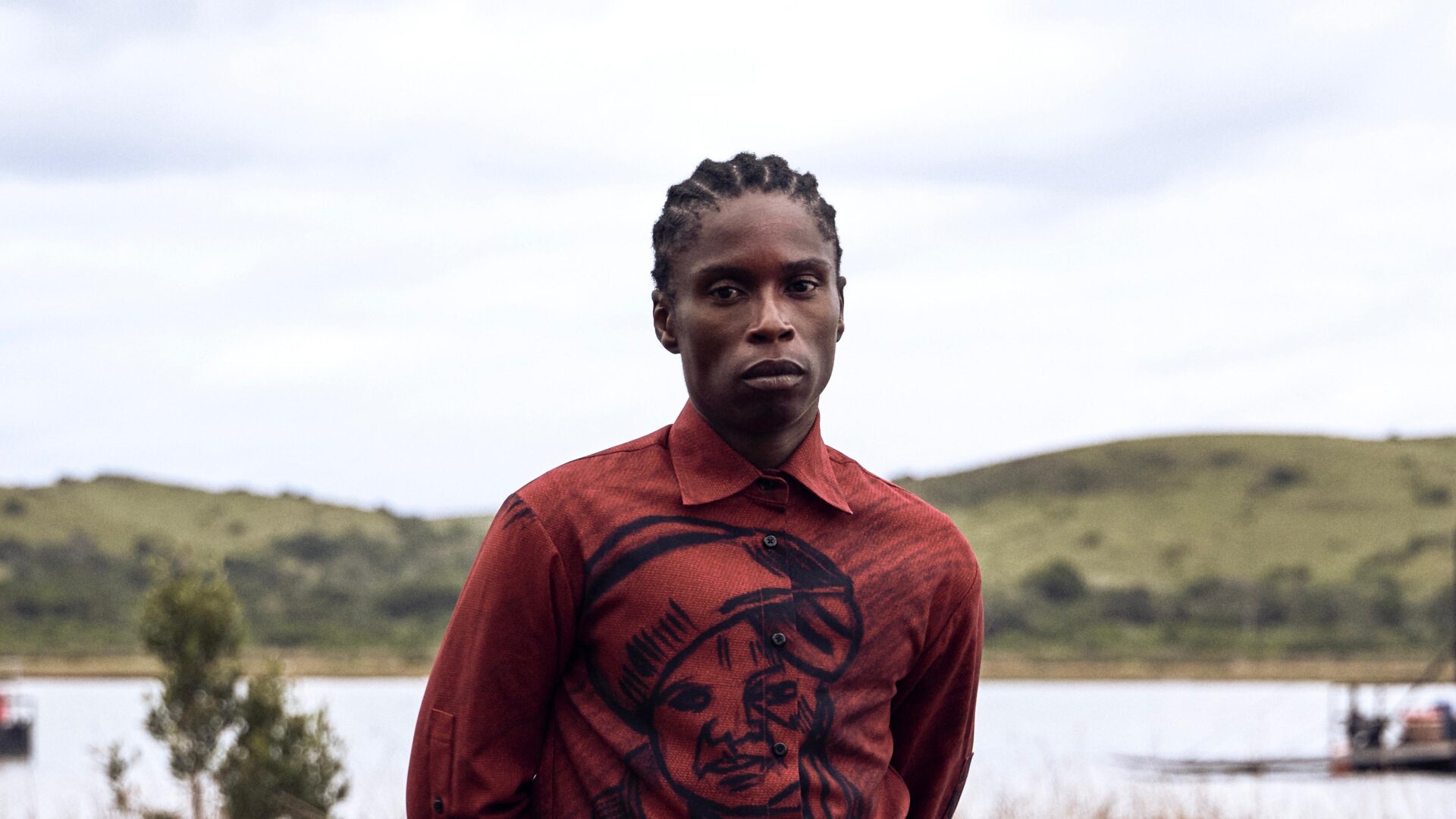
South African singer-songwriter and multiple award winner Bongeziwe Mabandla has released his highly anticipated fourth studio album, Ndingubani, a deeply personal body of work that explores themes of identity, healing, resilience and self discovery.
Released on 11 June through independent South African label Black Major, the album arrived following the successful rollout of singles Walila, Zama and Yalwa, all of which generated strong engagement from listeners and helped build momentum ahead of the full project’s release. Fans responded enthusiastically across streaming platforms and social media, praising the emotional honesty and vulnerability that have become hallmarks of Mabandla’s songwriting.
Meaning “Who am I?” in isiXhosa, Ndingubani is widely regarded as Mabandla’s most introspective work to date. Written during a period of deep personal reflection, the album examines the experiences, challenges and relationships that have shaped both the artist and his music.



Drawing from his upbringing in rural Tsolo in South Africa’s Eastern Cape, the project traces Mabandla’s journey from a young boy leaving home in pursuit of his dreams to an internationally recognised artist navigating personal struggles, heartbreak, uncertainty and growth.
The album marks the fourth collaboration between Mabandla and long time producer Tiago Correia-Paulo. Together, the pair have spent years refining a distinctive musical identity that blends African folk traditions, alternative music, neo soul and contemporary songwriting. Their creative partnership continues to place Mabandla’s rich vocals and emotionally charged storytelling at the centre of the listening experience.
Throughout the album, themes of vulnerability and perseverance emerge repeatedly. One of the project’s standout tracks, Libambe Lingatshoni, serves as a powerful introduction to the album’s exploration of identity and self reflection.
Elsewhere, Ndikhulule (Depression) tackles emotional exhaustion and trauma with striking honesty. The song portrays pain as a form of imprisonment while simultaneously offering a glimpse of hope and liberation. It stands as one of the album’s most emotionally resonant moments.
The autobiographical Zama reflects on the places and experiences that shaped Mabandla’s life, from his childhood in the Eastern Cape and years at boarding school to his move to Johannesburg, where he pursued a career in music while searching for purpose and belonging.
Family, destiny and sacrifice are central themes in Yalwa, a song inspired by the acclaimed television drama Shaka iLembe. The track draws parallels between the role of Shaka’s mother in shaping his destiny and the influence of Mabandla’s own mother on his life and career.
Another notable track, Kude, examines gratitude and personal growth through the lens of a health scare that forced the artist to reassess his priorities and perspective on life. The song reflects on distance travelled, both physically and emotionally, and the lessons learned along the way.

The album also features a collaboration with acclaimed Cameroonian singer-songwriter Blick Bassy on the track Ndije. Together, the two artists explore themes of self acceptance and the process of embracing aspects of oneself that may once have been sources of discomfort or insecurity.
Over the past decade, Mabandla has emerged as one of the defining voices of Africa’s growing Black Alternative movement, alongside artists such as Msaki, Blick Bassy and The Cavemen. Collectively, these musicians have helped reshape contemporary African music by blending traditional influences with folk, soul, alternative and experimental sounds.
Despite largely operating independently, Mabandla has built a substantial international following. His sold out performances across Europe, the United States and South Africa, combined with appearances on globally recognised platforms such as COLORS Studios, have introduced his music to audiences far beyond the continent.
His achievements have earned widespread recognition, including three South African Music Awards, a Metro FM Music Award and a Feather Award. With Ndingubani, Mabandla continues to cement his reputation as one of Africa’s most compelling contemporary storytellers, delivering an album that is both deeply personal and universally relatable.
Rather than offering easy answers, Ndingubani invites listeners into an ongoing conversation about identity, belonging and healing. In doing so, it reinforces Mabandla’s place among the most distinctive and important voices in contemporary African music.