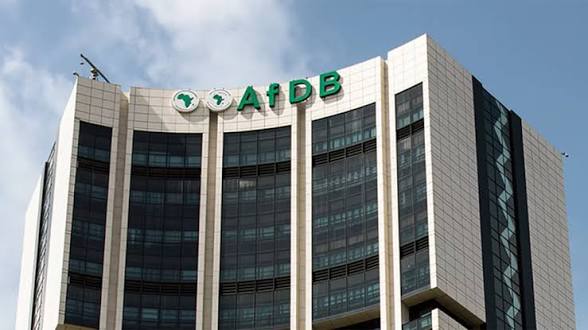
African leaders, policymakers and financiers gathered on Monday for the annual meetings of the African Development Bank in Republic of the Congo, confronting a stark reality as declining global aid forces the continent to rethink how it finances its development.
The mood this year is shaped by two overlapping pressures. On one hand, overseas development assistance from wealthy nations has fallen sharply, dropping by nearly a quarter last year to 174.3 billion dollars. On the other, a growing health concern looms nearby, with an Ebola outbreak in neighbouring Democratic Republic of the Congo threatening to overshadow proceedings.
No cases have been reported in the host country, and authorities have not imposed restrictions, citing guidance from the World Health Organization. Still, the outbreak, which has spread to Uganda and led to more than 170 suspected deaths, has introduced a note of caution around attendance and logistics.



Beyond the immediate health concerns, the deeper challenge is financial. Cuts led by the United States and other major donors have reduced support to key institutions, including the concessional lending arm of the AfDB, widely regarded as Africa’s most important development lender. The result is a widening gap between the continent’s ambitions and the resources available to fund them.
The bank estimates that Africa faces an annual development financing shortfall of around 400 billion dollars. Closing that gap, it argues, will require a fundamental shift away from reliance on external aid towards mobilising domestic capital at scale.
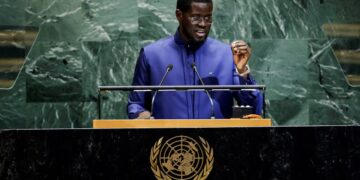
That vision sits at the heart of a new initiative championed by AfDB president Sidi Ould Tah, who took office last year. His proposed New African Financial Architecture for Development seeks to unlock funding from within the continent, drawing on pension funds, sovereign wealth vehicles and other institutional savings to support long term investment.
Supporters of the plan argue that Africa is not short of capital, but rather lacks the mechanisms to deploy it effectively. Estimates suggest that as much as 4 trillion dollars in institutional capital exists across the continent, though much of it remains fragmented or invested in low impact assets.
William Ruto, the president of Kenya, has been among those backing the approach, calling for better coordination and pooling of resources to finance infrastructure, energy and other priority sectors. The aim is to create a system capable of delivering funding at greater scale and lower cost, while reducing exposure to external shocks.

Critics, however, question how much of that capital can realistically be redirected. They argue that many of the funds cited are already committed and that governments should instead focus on boosting domestic savings and improving fiscal discipline.
The debate reflects a broader shift in Africa’s development conversation. As traditional aid flows shrink and global economic conditions tighten, the continent is increasingly being forced to look inward, not just as a matter of choice but of necessity.
This week’s meeting, typically a forum for technical discussions and policy coordination, has taken on added urgency. It is no longer simply about financing projects, but about redefining the model through which Africa funds its future.
Whether the proposed reforms can deliver on their promise remains uncertain. What is clear, however, is that the old assumptions about aid and development are rapidly changing, and Africa is being pushed to chart a more self reliant path.