Thursday, June 25, 2026
  • Login
The Southern African Times
  • Home
  • Southern Africa
  • Business
    • African Start ups
    • African Continental Free Trade Area
  • Technology
    • Lifestyle
      • Health
      • Culture
      • Food and Drink
      • Entertainment
  • Opinion
  • Sports
  • SAT Jobs
    • Events
  • About Us
    • Advertise with Us
    • Contact Us
No Result
View All Result
  • Home
  • Southern Africa
  • Business
    • African Start ups
    • African Continental Free Trade Area
  • Technology
    • Lifestyle
      • Health
      • Culture
      • Food and Drink
      • Entertainment
  • Opinion
  • Sports
  • SAT Jobs
    • Events
  • About Us
    • Advertise with Us
    • Contact Us
No Result
View All Result
The Southern African Times
No Result
View All Result
Home Finance

IMF Warns Africa’s Economic Gains Remain Vulnerable Amid Global Uncertainty

by SAT Reporter
May 8, 2026
in Finance
0
IMF Warns Africa’s Economic Gains Remain Vulnerable Amid Global Uncertainty

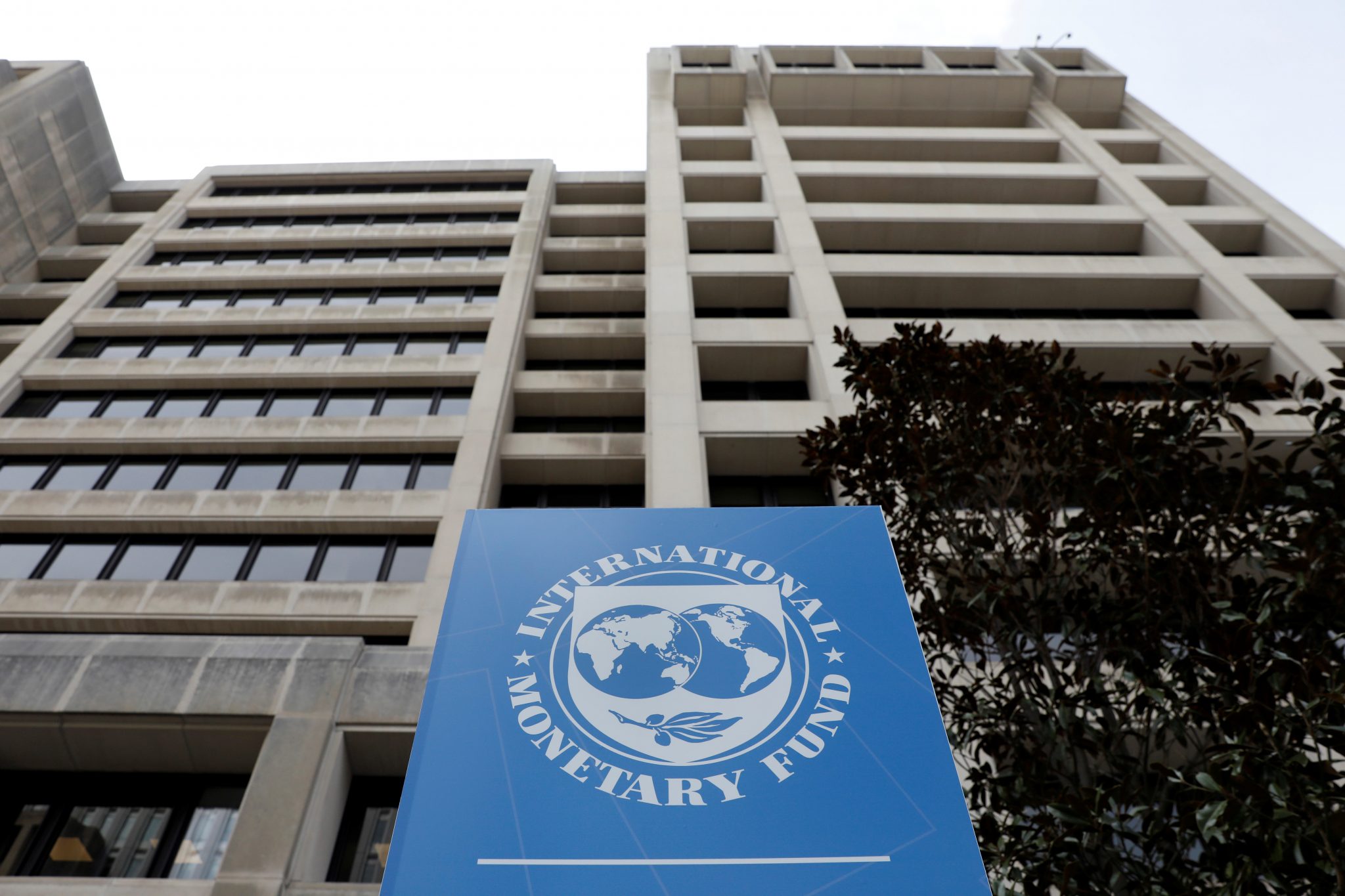
The International Monetary Fund has cautioned that the economic progress recorded across Sub Saharan Africa remains vulnerable to mounting global pressures, despite the region experiencing its strongest growth momentum in more than a decade.

Speaking during the launch of the IMF’s latest Regional Economic Outlook in Kigali on Tuesday, officials highlighted both the resilience demonstrated by African economies and the structural vulnerabilities that continue to shape the continent’s economic trajectory.

The report, titled Hard Won Gains Under Pressure, states that regional growth reached approximately 4.5 percent in 2025, supported by stronger domestic policy frameworks, improving macroeconomic management, and more favourable external conditions across several major economies.


ADVERTISEMENT

According to the IMF, inflationary pressures eased in many countries through the end of 2025, driven by lower global food and energy prices, reduced exchange rate volatility, and tighter monetary policy measures adopted by central banks across the region. Fiscal balances also improved in a number of economies due to stronger growth performance and exchange rate developments.

However, the institution warned that the outlook for 2026 has become increasingly uncertain amid intensifying geopolitical tensions and disruptions to global trade and commodity markets.

Nikola Spatafora, a senior economist in the IMF’s African Department, said the region’s recent gains are being tested by tightening financial conditions, rising shipping costs, and renewed external shocks linked to conflict in the Middle East.

The IMF projects regional growth to moderate slightly to 4.3 percent in 2026, lower than earlier forecasts issued before the escalation of geopolitical tensions. The report notes that increases in oil, gas, and fertiliser prices are expected to place additional strain on import dependent economies, while disruptions in tourism, remittance flows, and trade routes may affect broader economic activity across several African states.

The assessment reflects the uneven realities shaping economic development across the continent. While resource exporters may benefit from higher commodity prices, many fuel importing nations continue to face elevated debt servicing costs, constrained fiscal space, and pressure on household incomes.

Rwanda’s Minister of Finance and Economic Planning, Yusuf Murangwa, described the report as timely, noting that the continent’s economic progress should be understood within the context of wider demographic and structural transitions taking place across Africa.

Murangwa stated that Rwanda recorded economic growth of 9.4 percent in 2025, among the highest rates registered globally in the post pandemic period. He added that inflation had declined significantly while fiscal conditions improved across much of the region.

At the same time, he cautioned that economic expansion alone would not be sufficient to meet the long term aspirations of Africa’s growing population without deeper transformation in productive sectors and employment creation.

He argued that future growth would need to be increasingly driven by private sector investment, industrial expansion, regional trade integration, and innovation rather than continued dependence on public expenditure, commodity cycles, or external development assistance.

The IMF similarly emphasised the importance of sustained macroeconomic discipline, calling on governments to carefully balance fiscal consolidation with investment in social protection, infrastructure, and productive capacity.

The report also highlights the significance of regional cooperation through frameworks such as the African Continental Free Trade Area, which many policymakers view as central to strengthening intra African trade and reducing external vulnerabilities over the long term.

While global institutions continue to frame Africa’s economic outlook largely through risk assessments and external shocks, African policymakers at the Kigali launch placed considerable emphasis on resilience, adaptation, and the continent’s evolving economic agency.

Across many African economies, there remains a growing recognition that sustainable development will depend not only on macroeconomic stability, but also on how effectively countries expand local value chains, support youth employment, deepen financial inclusion, and strengthen regional production networks.

The IMF report suggests that although the region faces immediate pressures from global instability, inflationary risks, and tighter financing conditions, many African economies enter this period with stronger policy foundations than in previous cycles of global disruption.

For governments across the continent, the challenge now lies in preserving economic stability while advancing longer term development priorities shaped by African realities, capacities, and aspirations.

Tags: African developmentAfrican economieseconomic growtheconomic resiliencefiscal policygeopolitical tensionsIMFInflationKigaliprivate sector growthRegional Economic OutlookRwandaSub Saharan AfricaTrade
Previous Post

DR Congo Warns 2028 Elections Could Be Delayed if Eastern Conflict Persists

Next Post

African Markets Track Oil Volatility, Telecom Growth and Commodity Pressures

SAT Reporter

Related Posts

IMF warns Iran war fallout strains African economies
Finance

IMF warns Iran war fallout strains African economies

by Times Reporter
June 23, 2026
Standard Bank Signals Support for Dangote Refinery Listing
Finance

Standard Bank Signals Support for Dangote Refinery Listing

by Times Reporter
June 10, 2026
South African Financial System Remains Resilient Despite Global Shocks
Finance

South African Financial System Remains Resilient Despite Global Shocks

by Times Reporter
June 10, 2026
Standard Chartered Appoints Manus Costello as Chief Financial Officer
Finance

Standard Chartered Appoints Manus Costello as Chief Financial Officer

by SAT Reporter
May 18, 2026
Fitch Upgrades Ghana’s Sovereign Rating Following Fiscal Reforms
Finance

Fitch Upgrades Ghana’s Sovereign Rating Following Fiscal Reforms

by SAT Reporter
May 11, 2026
Next Post
African Markets Track Oil Volatility, Telecom Growth and Commodity Pressures

African Markets Track Oil Volatility, Telecom Growth and Commodity Pressures

Browse by Category

  • Africa AI
  • African Continental Free Trade Area
  • African Debt
  • African Start ups
  • Agriculture
  • AI Africa
  • Algeria
  • All News
  • Analysis
  • Angola
  • Arts / Culture
  • Asia
  • Botswana
  • BOTSWANA
  • BREAKING NEWS
  • BRICS
  • Burkina Faso
  • Burundi
  • Business
  • Business
  • Business Wire
  • Cameroon
  • Central Africa
  • Chad
  • China
  • Climate Change
  • Climate Changev
  • Community
  • Congo Republic
  • Conservation
  • Côte d’Ivoire
  • COVID 19
  • CRYPTOCURRENCY
  • Culture
  • Democratic Republic of Congo
  • Diplomacy
  • Eastern Africa
  • Economic Development
  • Economy
  • Education
  • Egypt
  • Elections 2024
  • Energy
  • Entertainment
  • Environment
  • Eritrea
  • Ethiopia
  • Europe
  • Fashion
  • Feature
  • Finance
  • Financial Inclusion
  • Food
  • Food and Drink
  • Foods
  • GABON
  • Ghana
  • Global
  • Global Africa
  • Guinea
  • Health
  • Humanitarian Aid
  • Immigration
  • in Southern Africa
  • International news
  • International Relations
  • Investment
  • Ivory Coast
  • Just In
  • Kenya
  • Lesotho
  • Libya
  • Life Style
  • Lifestyle
  • Literature
  • Malawi
  • Malawi
  • Mali
  • Markets
  • Mauritius
  • Middle East
  • Mining in Africa
  • Morocco
  • Mozambique
  • Namibia
  • niger
  • Niger
  • Nigeria
  • North Africa
  • North-Eastern Africa
  • Obituaries
  • Obituary
  • Opinion
  • PARTNER CONTENT
  • Politics
  • Property
  • Racism
  • Rwanda
  • Rwanda
  • SADC
  • SAT Interviews
  • SAT Investigation
  • SAT Jobs
  • Saudi Arabia
  • Senegal
  • Seychelles
  • Somaliland
  • South Africa
  • South Sudan
  • Sports
  • Startup Africa
  • STOCK EXCHANGE
  • Sudan
  • Sustainability
  • Sustainablity
  • Tanzania
  • Technology
  • Telecommunications
  • The Editorial Board
  • The Power Of She
  • Togo
  • Trade
  • Travel
  • Travel
  • Tunisia
  • Uganda
  • Uncategorized
  • Wealth
  • West Africa
  • World
  • World
  • ZAMBIA
  • Zambia
  • ZIMBABWE
  • Zimbabwe

Browse by Tags

#NewsUpdate #SouthAfrica #SouthernAfricanTimes #TheSouthernAfricanTimes AfCFTA africa African Continental Free Trade Area African development African Development Bank African economies African economy African Union Agriculture Angola Botswana China Climate change Cyril Ramaphosa Economic Development economic growth energy transition fiscal policy governance industrialisation Inflation Infrastructure Infrastructure Development International relations Investment Kenya Mozambique Namibia news Nigeria Regional Integration renewable energy Rwanda SADC South Africa Southern Africa sustainable development Tanzania United States Zambia Zimbabwe
ADVERTISEMENT

WHO WE ARE

The Southern African Times is a regional bloc digital newspaper that covers Southern African and world news. The paper also gives a nuanced analysis on news and covers a wide range of reporting which include sports, entertainment, foreign affairs, arts and culture.

Welcome Back!

Login to your account below

Forgotten Password?

Retrieve your password

Please enter your username or email address to reset your password.

Log In
  • Home
  • Southern Africa
  • Business
    • African Start ups
    • African Continental Free Trade Area
  • Technology
    • Lifestyle
      • Health
      • Culture
      • Food and Drink
      • Entertainment
  • Opinion
  • Sports
  • SAT Jobs
    • Events
  • About Us
    • Advertise with Us
    • Contact Us
Not enough quota to unlock this post
Unlock left : 0
Are you sure want to cancel subscription?