Saturday, May 30, 2026
  • Login
The Southern African Times
  • Home
  • Southern Africa
  • Business
    • African Start ups
    • African Continental Free Trade Area
  • Technology
    • Lifestyle
      • Health
      • Culture
      • Food and Drink
      • Entertainment
  • Opinion
  • Sports
  • SAT Jobs
    • Events
  • About Us
    • Advertise with Us
    • Contact Us
No Result
View All Result
  • Home
  • Southern Africa
  • Business
    • African Start ups
    • African Continental Free Trade Area
  • Technology
    • Lifestyle
      • Health
      • Culture
      • Food and Drink
      • Entertainment
  • Opinion
  • Sports
  • SAT Jobs
    • Events
  • About Us
    • Advertise with Us
    • Contact Us
No Result
View All Result
The Southern African Times
No Result
View All Result
Home Business

African Ports See Limited Gains From Shipping Reroutes

by SAT Reporter
May 7, 2026
in Business
0
African Ports See Limited Gains From Shipping Reroutes

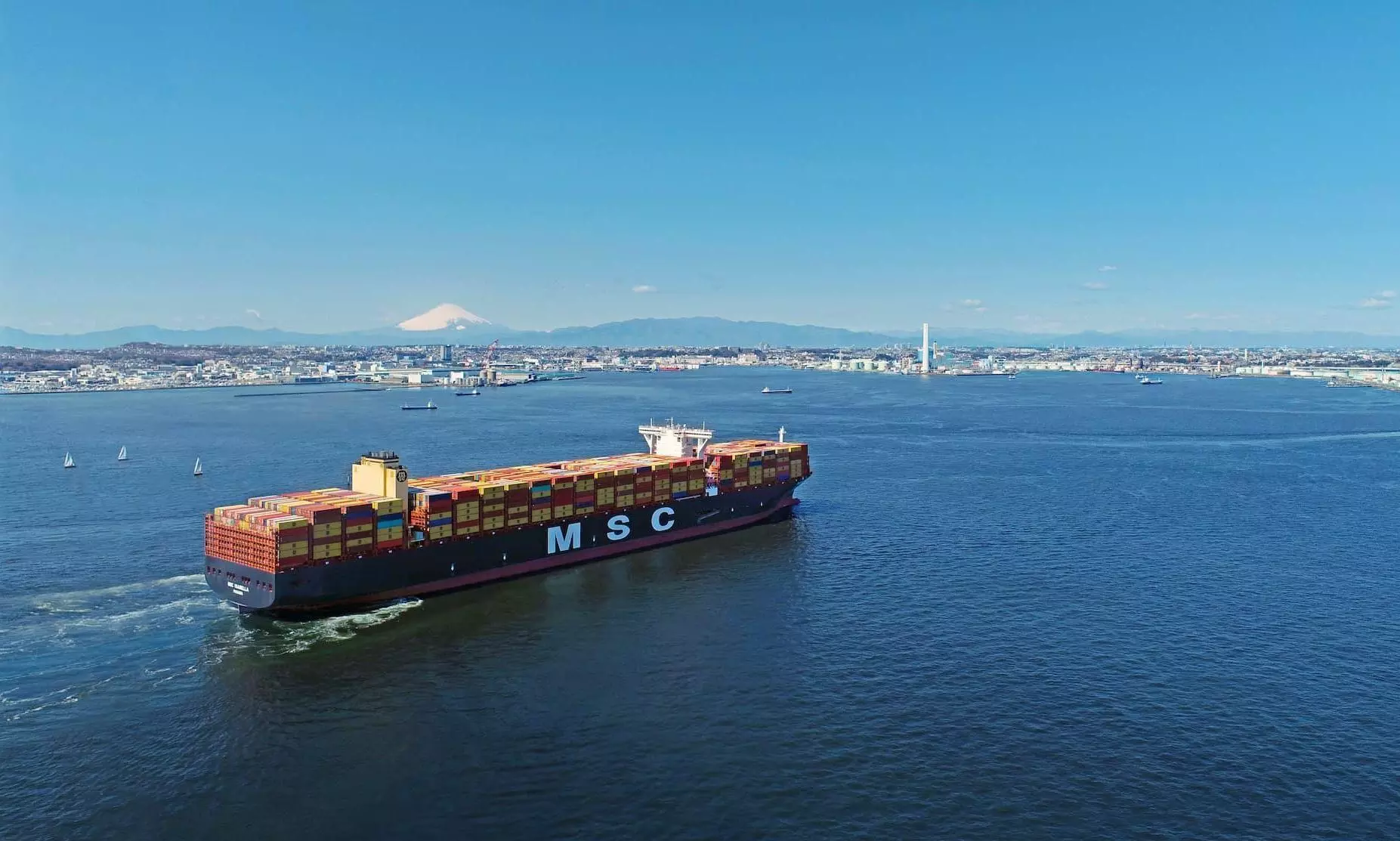
African ports are experiencing a sharp rise in passing maritime traffic following the closure of the Strait of Hormuz, yet the continent’s ability to convert this disruption into sustained economic advantage remains uneven and constrained by infrastructure, capacity and long standing structural limitations.

The closure of the strategic waterway on 28 February amid escalating conflict involving Iran, Israel and the United States has compelled commercial vessels to reroute around the Cape of Good Hope. The Strait of Hormuz normally handles a substantial share of global seaborne oil shipments alongside significant volumes of liquefied natural gas and fertiliser exports. The resulting diversion has intensified vessel movement around southern Africa, particularly along routes linking Asia with Europe and the Mediterranean.

Despite increased shipping volumes around the continent, analysts and logistics operators indicate that most African ports have not experienced a proportional rise in cargo handling or long term trade activity. Instead, a limited number of ports positioned to provide marine services such as refuelling and provisioning have emerged as the primary beneficiaries.


ADVERTISEMENT

According to logistics firm Rhenus Logistics, the increase in maritime traffic is being driven largely by container services and energy related cargoes rerouted away from the Gulf and Red Sea corridors. However, these route adjustments have not significantly altered shipping companies’ port rotation strategies across much of Africa.

Operational bottlenecks remain a central challenge. Major South African ports, including Durban Port and Port of Cape Town, continue to face congestion, weather related delays and infrastructure constraints that limit their competitiveness within global supply chains. Industry observers note that shipping companies remain reluctant to add additional African port calls where turnaround times remain uncertain.

Elsewhere on the continent, East African ports that historically depended on Suez Canal linked traffic are experiencing reduced activity. Ports such as Djibouti and Port Sudan have faced mounting pressure as shipping lines seek alternatives perceived as more operationally efficient and secure. Regional competition from Gulf and South Asian ports with larger capacities and integrated logistics systems has further intensified these pressures.

At the same time, several African ports have recorded measurable gains linked to marine fuel supply and vessel servicing. Port Louis in Mauritius has seen a significant increase in bunkering activity as ships undertaking longer voyages require additional refuelling stops. Data from the Mauritius Ports Authority indicates that bunker related vessel calls rose sharply in March, accompanied by increased fuel volumes supplied to commercial shipping operators.

In southern Africa, Namibia’s Walvis Bay and Lüderitz ports have similarly attracted growing attention due to their strategic positioning along the Cape route. These ports are increasingly viewed as logistical support points within shifting global maritime networks rather than major cargo destinations in themselves.

The rerouting of vessels has also increased voyage durations and operational costs across global trade routes. Shipping and logistics specialists estimate that journeys between Asia, Europe and parts of the Gulf can now take up to two weeks longer than under normal transit conditions. Some carriers have also opted to terminate routes outside the Persian Gulf to reduce exposure to geopolitical and security risks associated with the ongoing conflict.

For many African economies, however, the rise in maritime movement has not translated into broader trade expansion. Africa continues to account for a relatively small proportion of global maritime exports and imports, reflecting deeper structural inequalities within international trade systems. The current situation highlights the continent’s continuing role as a strategic transit geography rather than a central actor in determining global shipping flows.

The developments also echo patterns observed during earlier Red Sea disruptions in late 2023 and early 2024, when attacks on commercial vessels forced shipping companies to divert around southern Africa without generating lasting economic transformation for most African ports.

Security concerns across the western Indian Ocean are once again intensifying. Maritime monitoring agencies have reported a resurgence in piracy incidents off the Somali coast in recent weeks, raising additional concerns for vessels navigating the region. Analysts suggest that instability linked to Red Sea attacks and tensions surrounding the Gulf conflict has contributed to renewed insecurity along key shipping lanes.

Shipping operators increasingly regard the Cape route as a longer term operational reality rather than a temporary contingency. This evolving landscape is already prompting investment discussions around expanded bunkering infrastructure and maritime support services in several African coastal states.

For African policymakers and port authorities, the current moment presents both opportunity and limitation. While rerouted trade has highlighted the continent’s geographic importance within global commerce, it has also exposed the urgent need for sustained investment in infrastructure, logistics efficiency, regional coordination and maritime security if African economies are to capture greater value from evolving trade patterns.

As global supply chains continue to adapt to geopolitical volatility, the challenge for African ports will not simply be attracting passing vessels, but building resilient systems capable of converting strategic location into inclusive and durable economic participation.


Tags: Africa portsAfrican logisticsbunkering AfricaCape of Good Hope shipping routeglobal shipping disruptionmaritime economymaritime trade AfricaMauritius Ports AuthorityNamibia portsPort LouisRed Sea shipping crisisSouth African portsStrait of Hormuztrade routes AfricaWalvis Bay
Previous Post

Women Led Khayelitsha Cookie Company Lands British Airways UK Deal

Next Post

Mozambique’s Debt Crisis Deepens as Economic and Climate Pressures Grow

SAT Reporter

Related Posts

Pepkor targets 1.8 million customers with 2027 bank launch
Business

Pepkor targets 1.8 million customers with 2027 bank launch

by SAT Reporter
May 27, 2026
South Africa Raises Steel Import Duties to Shield Industry
Business

South Africa Raises Steel Import Duties to Shield Industry

by SAT Reporter
May 20, 2026
Pick n Pay Raises R4.7bn from Boxer Stake Sale to Fund Turnaround
Business

Pick n Pay Raises R4.7bn from Boxer Stake Sale to Fund Turnaround

by SAT Reporter
May 19, 2026
Uganda Grants Starlink Licence in Boost to Internet Competition
Business

Uganda Grants Starlink Licence in Boost to Internet Competition

by SAT Reporter
May 16, 2026
Chinese Carmakers Gain Ground in South Africa Market
Business

Chinese Carmakers Gain Ground in South Africa Market

by SAT Reporter
May 16, 2026
Next Post
Mozambique’s Debt Crisis Deepens as Economic and Climate Pressures Grow

Mozambique’s Debt Crisis Deepens as Economic and Climate Pressures Grow

Browse by Category

  • Africa AI
  • African Continental Free Trade Area
  • African Debt
  • African Start ups
  • Agriculture
  • AI Africa
  • Algeria
  • All News
  • Analysis
  • Angola
  • Arts / Culture
  • Asia
  • Botswana
  • BOTSWANA
  • BREAKING NEWS
  • BRICS
  • Burkina Faso
  • Burundi
  • Business
  • Business
  • Business Wire
  • Cameroon
  • Central Africa
  • Chad
  • China
  • Climate Change
  • Climate Changev
  • Community
  • Congo Republic
  • Conservation
  • Côte d’Ivoire
  • COVID 19
  • CRYPTOCURRENCY
  • Culture
  • Democratic Republic of Congo
  • Diplomacy
  • Eastern Africa
  • Economic Development
  • Economy
  • Education
  • Egypt
  • Elections 2024
  • Energy
  • Entertainment
  • Environment
  • Eritrea
  • Ethiopia
  • Europe
  • Fashion
  • Feature
  • Finance
  • Financial Inclusion
  • Food
  • Food and Drink
  • Foods
  • GABON
  • Ghana
  • Global
  • Global Africa
  • Guinea
  • Health
  • Humanitarian Aid
  • Immigration
  • in Southern Africa
  • International news
  • International Relations
  • Investment
  • Ivory Coast
  • Just In
  • Kenya
  • Lesotho
  • Libya
  • Life Style
  • Lifestyle
  • Literature
  • Malawi
  • Malawi
  • Mali
  • Markets
  • Mauritius
  • Middle East
  • Mining in Africa
  • Morocco
  • Mozambique
  • Namibia
  • Niger
  • niger
  • Nigeria
  • North Africa
  • North-Eastern Africa
  • Obituaries
  • Obituary
  • Opinion
  • PARTNER CONTENT
  • Politics
  • Property
  • Racism
  • Rwanda
  • Rwanda
  • SADC
  • SAT Interviews
  • SAT Investigation
  • SAT Jobs
  • Saudi Arabia
  • Senegal
  • Seychelles
  • Somaliland
  • South Africa
  • South Sudan
  • Sports
  • Startup Africa
  • STOCK EXCHANGE
  • Sudan
  • Sustainability
  • Sustainablity
  • Tanzania
  • Technology
  • Telecommunications
  • The Editorial Board
  • The Power Of She
  • Togo
  • Trade
  • Travel
  • Travel
  • Tunisia
  • Uganda
  • Uncategorized
  • Wealth
  • West Africa
  • World
  • World
  • ZAMBIA
  • Zambia
  • ZIMBABWE
  • Zimbabwe

Browse by Tags

#NewsUpdate #SouthAfrica #SouthernAfricanTimes #TheSouthernAfricanTimes AfCFTA africa African Continental Free Trade Area African development African Development Bank African economies African economy African Union Agriculture Angola Botswana China Climate change Cyril Ramaphosa Economic Development economic growth energy transition Ghana governance industrialisation Inflation Infrastructure Infrastructure Development International relations Investment Kenya Mozambique Namibia news Nigeria Regional Integration renewable energy Rwanda SADC South Africa Southern Africa sustainable development Tanzania United States Zambia Zimbabwe
ADVERTISEMENT

WHO WE ARE

The Southern African Times is a regional bloc digital newspaper that covers Southern African and world news. The paper also gives a nuanced analysis on news and covers a wide range of reporting which include sports, entertainment, foreign affairs, arts and culture.

Welcome Back!

Login to your account below

Forgotten Password?

Retrieve your password

Please enter your username or email address to reset your password.

Log In
  • Home
  • Southern Africa
  • Business
    • African Start ups
    • African Continental Free Trade Area
  • Technology
    • Lifestyle
      • Health
      • Culture
      • Food and Drink
      • Entertainment
  • Opinion
  • Sports
  • SAT Jobs
    • Events
  • About Us
    • Advertise with Us
    • Contact Us
Not enough quota to unlock this post
Unlock left : 0
Are you sure want to cancel subscription?