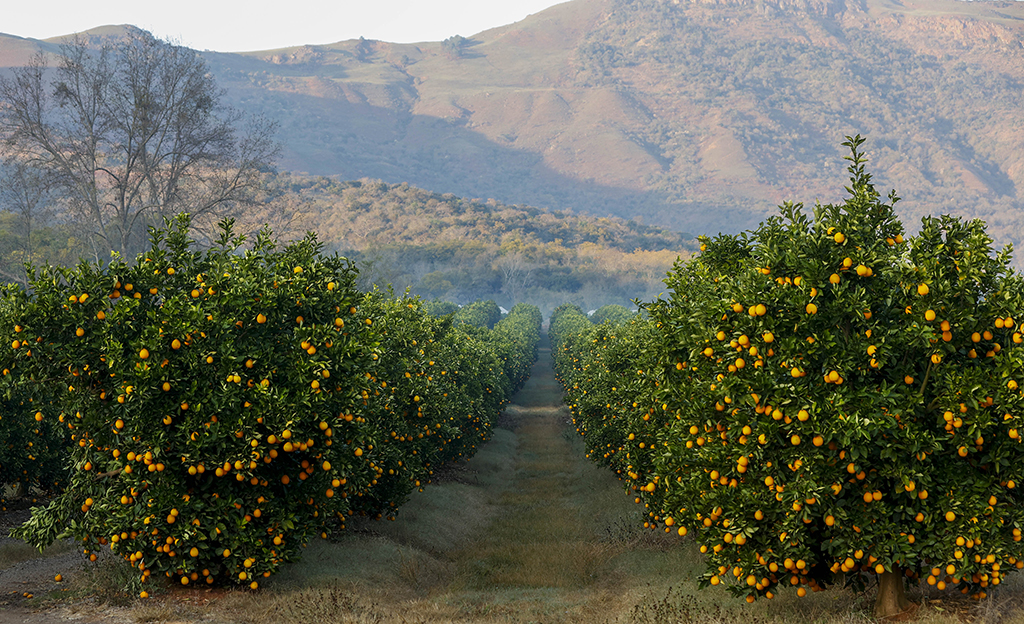
South Africa’s citrus export season has commenced under shifting global logistical conditions, as exporters continue to supply key Middle Eastern markets despite geopolitical disruptions affecting established maritime routes.
According to the Citrus Growers’ Association of Southern Africa, which represents the country’s citrus industry, the Middle East accounts for approximately 19 percent of South Africa’s citrus exports. Early shipments for the 2026 season have already reached destinations across the region, albeit with extended transit times due to necessary adjustments in shipping routes following disruptions linked to the Strait of Hormuz.
Industry stakeholders report that while logistical pressures have emerged, these have thus far been limited to moderately longer transit periods and increased freight costs. Exporters have adapted by utilising alternative maritime pathways, enabling continued access to Middle Eastern ports without significant diversion of volumes to other global markets. The association maintains that South Africa remains committed to honouring established trade relationships with buyers in the region.



Boitshoko Ntshabele, Chief Executive Officer of the Citrus Growers’ Association, indicated in a recent statement that early consignments have arrived in acceptable condition despite the extended journeys. Feedback from importers suggests that fruit quality has remained consistent, underscoring the resilience of both supply chains and cold chain logistics systems that underpin the sector.
Shipping lines continue to accept container bookings, facilitating the movement of citrus through rerouted services designed to circumvent affected maritime corridors. These measures have been described by industry participants as necessary adaptations in response to evolving geopolitical realities, rather than structural shifts in trade orientation.
Demand across Middle Eastern markets is reported to be stable and aligned with seasonal expectations. South African exporters have emphasised that, at present, there is no material redirection of citrus volumes toward alternative destinations, reflecting both the strategic importance of the region and longstanding commercial ties.
The situation remains under close observation by industry bodies and exporters alike. Factors such as shipping costs, transit durations, and broader market dynamics are being continuously assessed, alongside developments in competing supply regions that also serve Middle Eastern consumers.


South Africa’s citrus industry operates within a broader African agricultural context, where export resilience is increasingly shaped by global trade uncertainties, infrastructure constraints, and the need for diversified market access. The continued flow of citrus to the Middle East illustrates both the vulnerabilities and adaptive capacities of export oriented agricultural systems across the continent.
As the season progresses, stakeholders acknowledge that conditions may evolve. However, the current position articulated by the industry is that shipments designated for Middle Eastern markets will continue to be delivered as planned, unless external circumstances change significantly.