Rwanda has commenced its annual period of national mourning, marking the 32nd anniversary of the 1994 genocide against the Tutsi, with President Paul Kagame urging sustained vigilance against denial, distortion and historical amnesia. The commemorations, which began on 7 April and will continue for 100 days, coincide with the period during which more than one million people, primarily Tutsi as well as moderate Hutu, were killed in one of the late twentieth century’s most devastating episodes of mass violence.
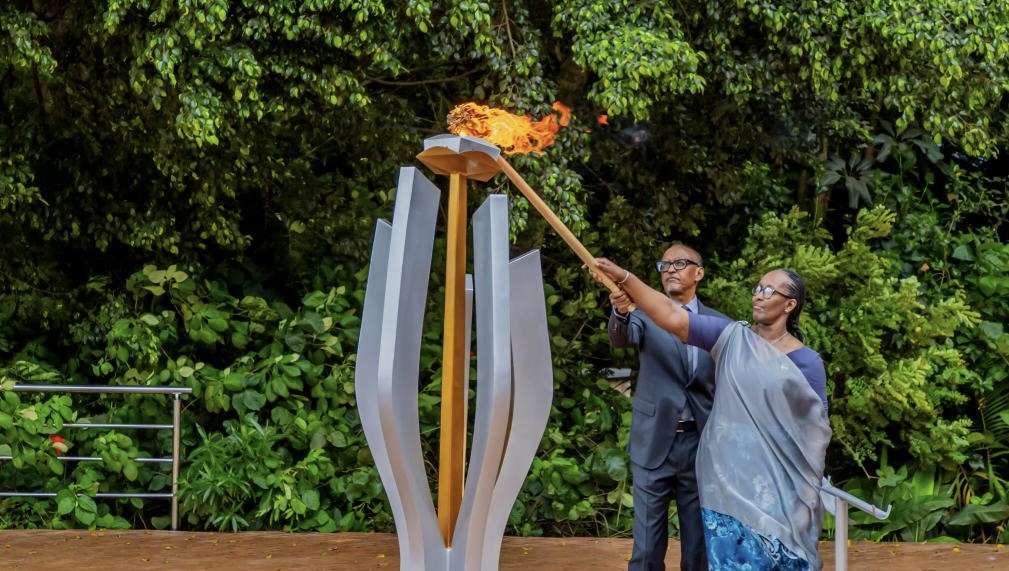
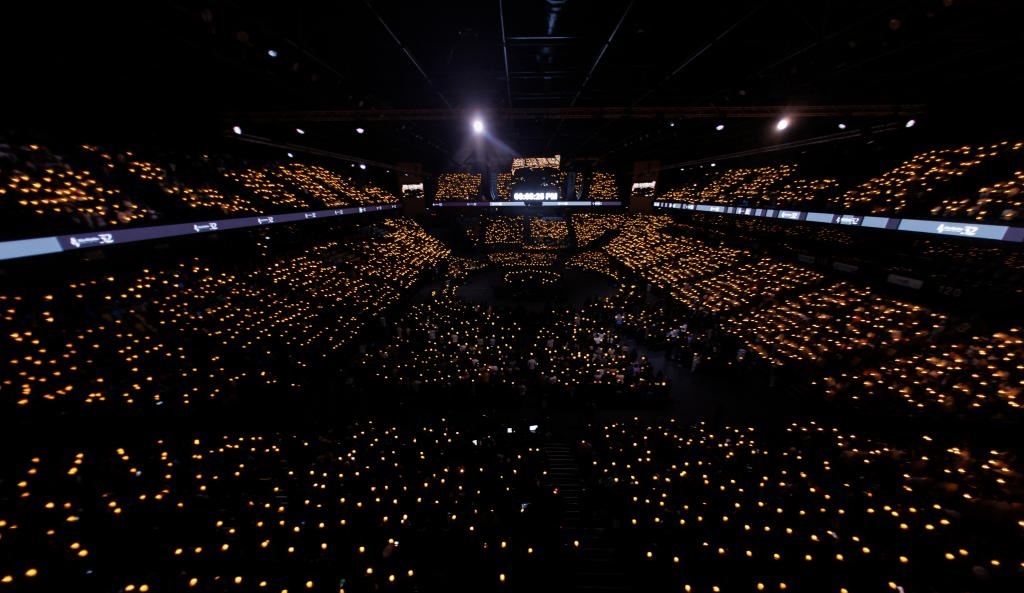
At the Kigali Genocide Memorial, where more than 250,000 victims are interred, President Kagame and First Lady Jeannette Kagame laid wreaths alongside members of the diplomatic corps and representatives of international organisations. The ceremony included the lighting of the Flame of Remembrance, a symbolic act that has become central to Rwanda’s annual commemoration, known locally as Kwibuka, meaning remembrance.
In remarks delivered later in Kigali, Kagame framed remembrance not only as an act of mourning but as a civic obligation tied to national cohesion and future stability. He stated that Rwanda’s post genocide reconstruction has been underpinned by collective responsibility and a deliberate commitment to unity. At the same time, he warned that the persistence of genocide denial and revisionism poses an ongoing threat, both domestically and globally.



“The truth is undeniable,” Kagame said, referencing judicial processes that followed the genocide, including proceedings before the International Criminal Tribunal for Rwanda and Rwanda’s community based Gacaca courts. These mechanisms, he noted, established an evidentiary record of events and accountability for perpetrators, while also attempting to facilitate reconciliation within communities.
Yet, despite these processes, narratives that minimise or distort the genocide continue to circulate. Kagame cautioned that such narratives often emerge gradually, beginning with the dismissal of warning signs and the normalisation of hate speech. He suggested that indifference to these early indicators can enable escalation, a pattern observed not only in Rwanda’s past but in other contexts across the world.
The commemoration also foregrounded survivor testimony, underscoring the longue durée of violence that preceded 1994. Theoneste Ngiruwonsanga, a survivor, recalled that targeted killings of Tutsi families in his community dated back decades, including the killing of his grandfather in 1964. Such accounts reflect a broader historical continuum in which episodes of violence and discrimination accumulated over time, culminating in the events of 1994.
Rwanda’s approach to remembrance has often been situated within wider African discourses on memory, justice and post conflict reconstruction. The country’s emphasis on unity and national identity, while not without debate, has been presented by its leadership as an alternative to externally imposed frameworks that may not fully account for local histories and social dynamics. In this context, commemoration is not solely retrospective but also prospective, seeking to articulate a collective future grounded in the acknowledgement of past atrocities.
The theme for this year’s commemoration, “Remember, Unite, and Renew,” reflects this dual orientation. During the initial mourning week, national flags are flown at half mast, and public life is subdued in recognition of the victims. Over the subsequent 100 days, educational programmes, community dialogues and memorial events will take place across the country and within the Rwandan diaspora.


Internationally, Rwanda’s commemoration aligns with broader efforts to address genocide denial and promote historical accountability. The United Nations has designated 7 April as the International Day of Reflection on the 1994 Genocide against the Tutsi in Rwanda, reinforcing the global dimension of remembrance.
As Rwanda enters this period of reflection, the emphasis articulated by its leadership remains consistent: remembrance is inseparable from vigilance. The challenge, as framed in Kigali, lies not only in preserving the integrity of historical memory but in ensuring that its lessons are actively applied in the present, within Rwanda and beyond.