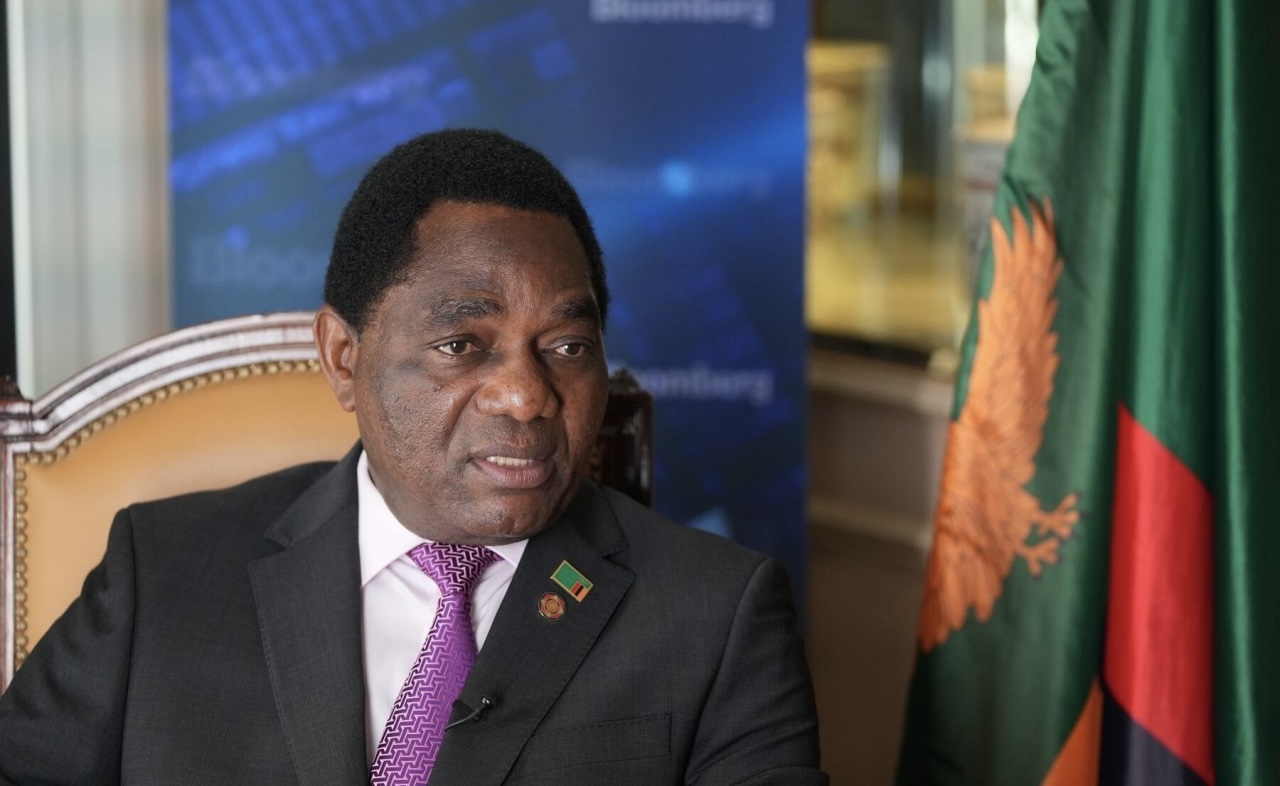
Zambia’s economy recorded a growth rate of 3.8 percent in 2025, according to preliminary estimates released in March 2026 by the Zambia Statistical Agency. The figures indicate a continuation of moderate economic expansion, reflecting both enduring structural dynamics and gradual sectoral shifts within the country and the wider Southern African region.
Presenting the data in Lusaka, Statistician General Sheila Mudenda stated that primary sector activities, particularly agriculture, forestry and fishing, were the principal drivers of growth during the 2025 period. These sectors collectively accounted for 51.1 percent of total economic expansion, underscoring their sustained importance within Zambia’s economic framework. This performance also reflects the continued centrality of land based production systems, even as they remain sensitive to climatic conditions and environmental variability.
Growth in 2025 was further supported by developments in selected service industries. Arts, entertainment and recreation contributed 16.5 percent to overall expansion, while accommodation and food services accounted for 15.5 percent. Transport and storage contributed 15.3 percent, consistent with Zambia’s role as a key transit and logistics hub linking several Southern African economies. Manufacturing contributed 7.1 percent, while information and communication technology accounted for 6.4 percent, suggesting incremental progress toward diversification and digital integration.



At the same time, the preliminary data highlights uneven performance across sectors during 2025. Wholesale and retail trade, water supply, administrative and support services, as well as financial and insurance activities recorded negative contributions to growth. These contractions point to underlying constraints within segments of the domestic economy, including demand side pressures and structural inefficiencies that may require targeted policy responses.


Viewed within a broader continental context, Zambia’s 2025 growth trajectory reflects patterns observed across parts of Africa, where economies continue to balance established productive sectors with emerging industries. While agriculture remains a foundational pillar, the gradual expansion of services and technology related activities signals evolving economic configurations. Institutions such as the African Development Bank have emphasised the importance of strengthening regional value chains, investing in resilient infrastructure, and enhancing intra African trade as pathways to more inclusive and sustained growth.
The release of the 2025 figures in March 2026 aligns with standard statistical reporting cycles, where national accounts data is compiled and verified before publication. As such, the figures provide a measured and contextualised account of Zambia’s recent economic performance, offering insight into both continuity and transition within its development trajectory and its positioning within Southern Africa.