

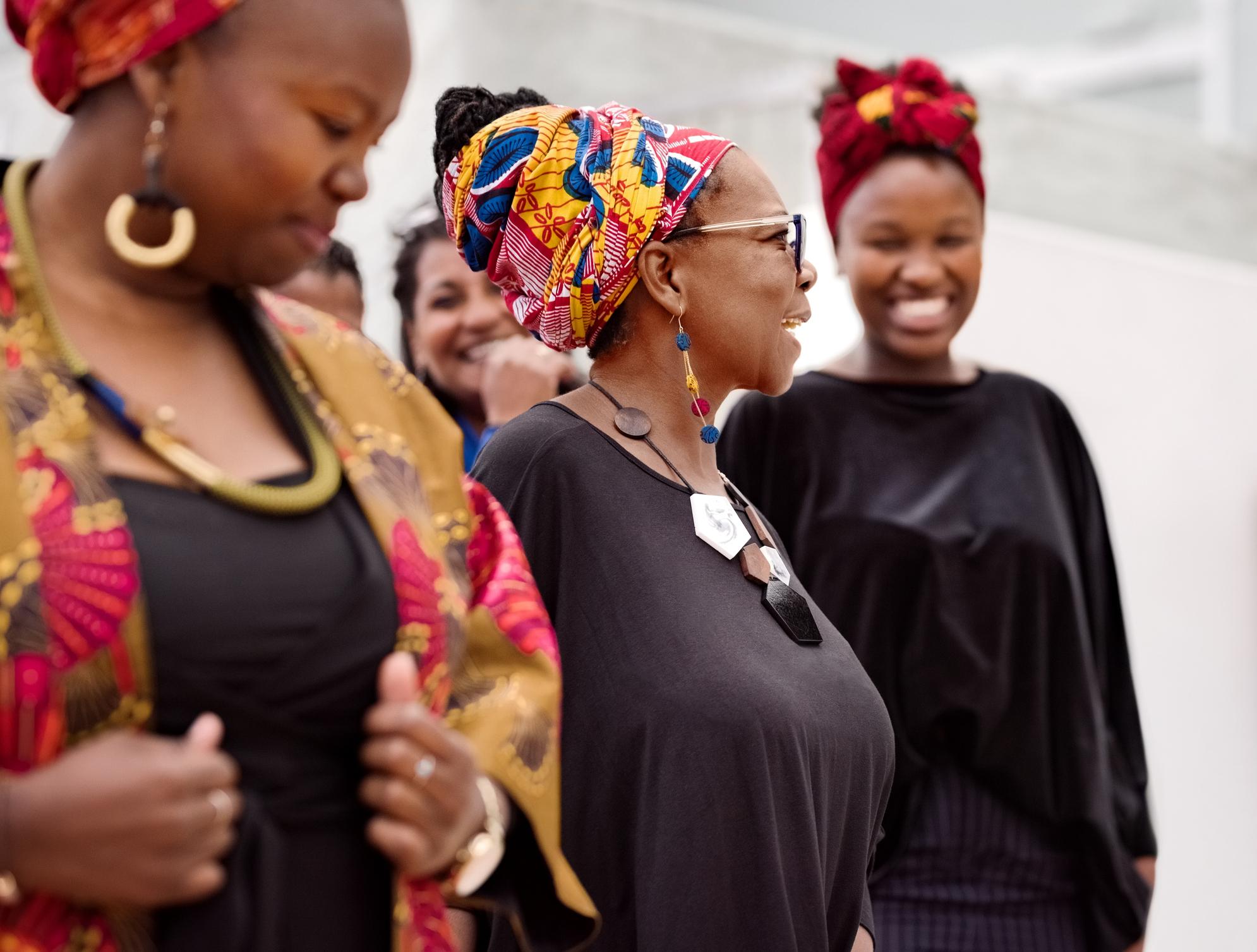
Across the African continent, narratives of political transformation and social development have often centred on presidents, military leaders and prominent male figures. Yet historical research increasingly demonstrates that African women have long played central roles in shaping governance, resistance movements, education systems and community institutions. Their leadership frequently emerged within local social structures and political traditions, predating many contemporary debates about gender equality.
Recognising these contributions allows for a fuller understanding of African historical development. It also challenges simplified narratives that frame African societies primarily through colonial encounters or male dominated leadership. The historical record instead reveals a more complex landscape in which women exercised authority, mobilised communities and shaped political outcomes.
One prominent example from West Africa is Nigerian educator and activist Funmilayo Ransome Kuti, whose political organising in the 1940s became a significant moment in anti colonial mobilisation. Through the Abeokuta Women’s Union she organised thousands of market women to protest colonial taxation policies that disproportionately affected female traders in southwestern Nigeria. The demonstrations culminated in what is widely known as the Abeokuta Women’s Revolt of 1947, which compelled the colonial administration to suspend certain taxes and reform local governance structures. Ransome Kuti’s activism illustrates the influence of grassroots organisation and the power of women’s economic networks in shaping political negotiations during the late colonial period. Further information about her activism can be found through historical archives and research collections such as the Encyclopaedia Britannica biography of Funmilayo Ransome Kuti.



Further west on the continent, the Kingdom of Dahomey, located in present day Benin, developed one of the most widely documented female military formations in precolonial Africa. The all female regiment commonly referred to as the Dahomey warriors served as an elite component of the kingdom’s army from the seventeenth through the nineteenth centuries. European travellers and traders who encountered the regiment frequently recorded their military discipline and battlefield effectiveness, although these accounts were often shaped by external perceptions of African societies. Contemporary historians have increasingly examined the regiment within the context of Dahomey’s political institutions and social organisation. Background on the historical role of the regiment can be explored through the historical overview of the Dahomey Amazons.
Another figure whose leadership remains central to West African historical memory is Yaa Asantewaa, queen mother of the Ejisu state within the Asante confederacy in present day Ghana. In 1900 she led the War of the Golden Stool, a resistance campaign against British colonial authority after colonial officials demanded possession of the sacred stool that symbolised Asante sovereignty. When some male leaders hesitated to confront the British military presence, Yaa Asantewaa mobilised resistance forces and assumed a leading political role. Although the uprising was eventually suppressed, historians widely recognise the episode as a defining moment in anti colonial resistance within the region. Her historical significance is documented in sources such as the Oxford Research Encyclopedia of African History entry on women in African nationalist movements.

In Central Africa, the seventeenth century ruler Queen Nzinga Mbande governed the kingdoms of Ndongo and Matamba in what is now Angola. Nzinga first emerged as a diplomat representing her brother in negotiations with Portuguese authorities before assuming power in the 1620s. Over several decades she employed a combination of diplomatic alliances, military campaigns and political restructuring to resist Portuguese expansion and the transatlantic slave trade. Her leadership has been widely examined in African historiography as an example of strategic statecraft and political authority exercised by women within early modern African polities. A detailed historical overview is available through the Encyclopaedia Britannica biography of Queen Nzinga.
Women also played influential roles in shaping intellectual and educational institutions during the twentieth century. Charlotte Maxeke, born in 1871 in South Africa, became one of the earliest African women to obtain a university degree abroad when she studied at Wilberforce University in the United States. After returning to South Africa she worked extensively in education, religious organisations and social reform movements. Maxeke also participated in early nationalist politics and helped establish women’s organisations that advocated for social welfare, education and civic rights for African communities under segregationist policies. Her contribution to social reform and African intellectual life has been documented by researchers examining early twentieth century African political thought and activism. Further background can be found through the South African History Online profile of Charlotte Maxeke.
Southern Africa likewise produced influential female leaders within post independence governance. Dr Gaositwe Keagakwa Chiepe, born in 1922 in Botswana, became the first Motswana woman to obtain advanced university education and later held several senior positions in government. She served as Botswana’s Minister of Education and later as Minister of Foreign Affairs, becoming one of the first women to hold cabinet level office in the country. Her work contributed to the development of Botswana’s education system during the decades following independence and formed part of broader efforts to expand access to schooling across the country. Additional historical context is available through the Britannica biography of Gaositwe Chiepe.
Taken together, these historical figures illustrate that African women have long participated in political authority, intellectual life and social transformation. Their leadership operated across a range of contexts, including precolonial governance structures, colonial era resistance movements and modern state institutions. Rather than occupying peripheral roles, women frequently shaped key political decisions, mobilised collective action and established institutions that influenced later generations.
Contemporary scholarship also emphasises that remembering these figures is not simply an act of commemoration but part of a broader effort to diversify historical narratives. Educational curricula across parts of Africa and beyond have historically prioritised colonial administrators and male political figures, often overlooking women whose actions influenced major historical developments. Expanding historical representation therefore contributes to a more accurate understanding of Africa’s political and intellectual traditions.
The stories of figures such as Ransome Kuti, Yaa Asantewaa, Nzinga Mbande, Charlotte Maxeke and Gaositwe Chiepe reflect the diversity of leadership traditions across the continent. Their lives illustrate how African women have engaged in diplomacy, education reform, political mobilisation and governance across different historical periods. Recognising these contributions allows African history to be understood not as a single linear narrative but as a dynamic and plural account shaped by multiple actors across societies.
In that sense, the historical record points towards a broader conclusion. African women have never been merely observers of political change. They have been organisers, strategists, educators and leaders whose influence remains embedded in the social and institutional foundations of many African societies today.


