African safari tourism remains one of the most recognisable expressions of the continent’s natural heritage. According to the World Travel and Tourism Council, travel and tourism contributes more than 9 percent of Africa’s GDP and supports millions of livelihoods across urban and rural economies. Within this ecosystem, wildlife tourism plays a dual role. It generates revenue for conservation authorities and sustains communities living alongside protected areas. Although luxury lodges dominate much international marketing, a wide range of publicly managed parks and locally grounded enterprises make safari travel accessible at more moderate price points. Across southern, eastern and western Africa, affordability is often shaped by self drive options, community partnerships and flexible accommodation models. The following destinations illustrate how travellers can encounter biodiversity while engaging with conservation frameworks that are rooted in African governance and stewardship.
1. Kruger National Park, South Africa

Managed by South African National Parks, Kruger National Park extends across nearly two million hectares along South Africa’s north eastern border. As part of the Great Limpopo Transfrontier Conservation Area, it connects ecosystems across national boundaries. The park’s extensive road network allows visitors to undertake self drive safaris, reducing reliance on private guides. Accommodation ranges from campsites and self catering bungalows to rest camps with basic facilities. Wildlife densities remain high, with established populations of lion, leopard, elephant, rhino and buffalo, alongside cheetah, wild dog and more than 500 recorded bird species.



2. Lake Manyara National Park, Tanzania
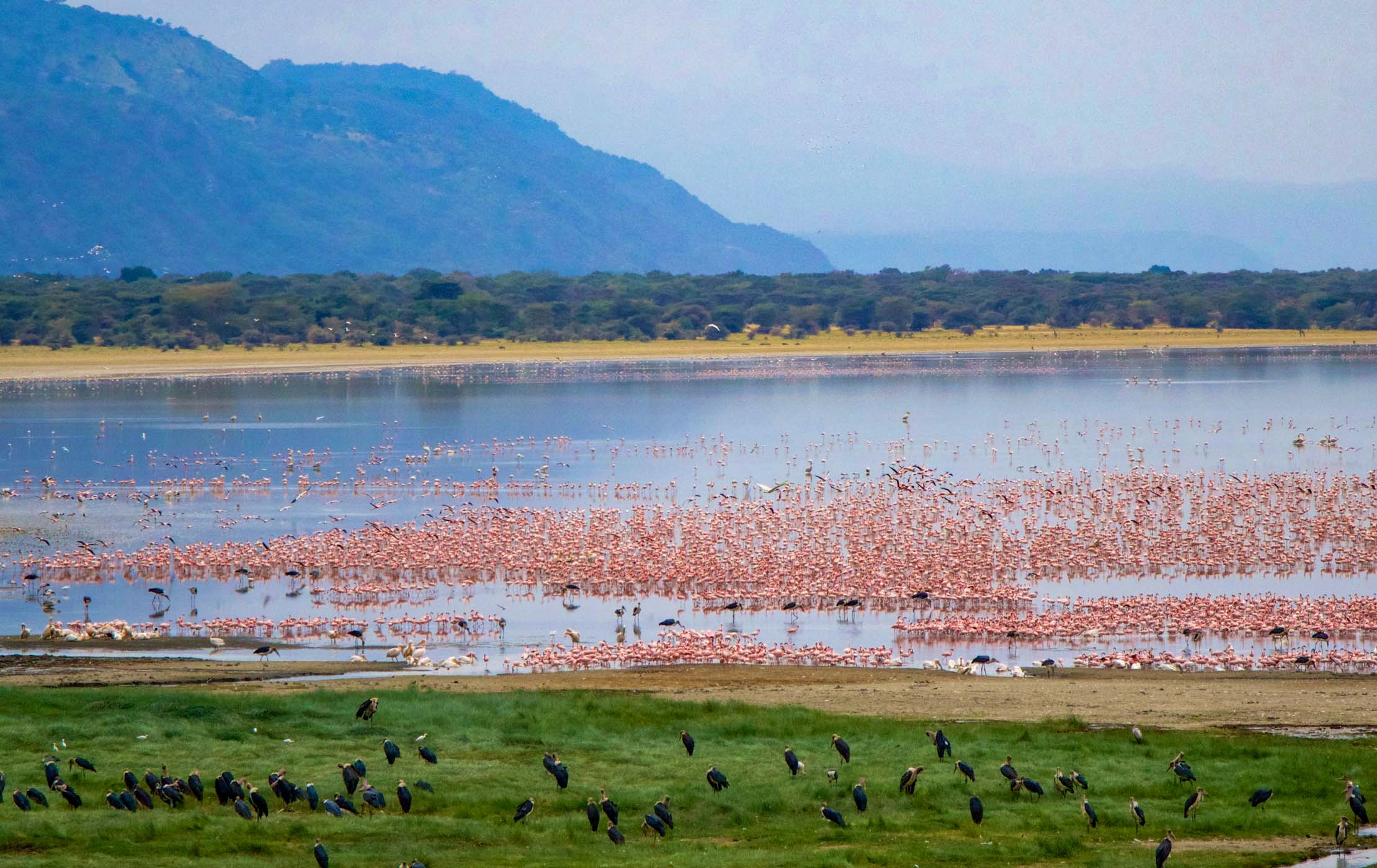
Under the administration of the Tanzania National Parks Authority, Lake Manyara National Park occupies a compact yet ecologically diverse landscape between the Great Rift Valley escarpment and its alkaline lake. Groundwater forests give way to open floodplains where elephants move through acacia woodland and hippos cluster in shallow pools. The park is frequently recognised for its tree climbing lions. With over 400 bird species recorded, including flamingos and pelicans, the park supports significant avian life. Its proximity to Arusha makes it viable for shorter itineraries, and locally operated lodges outside the main gate provide more moderate accommodation options than those found in higher profile parks of the northern circuit.
3. Chobe National Park, Botswana
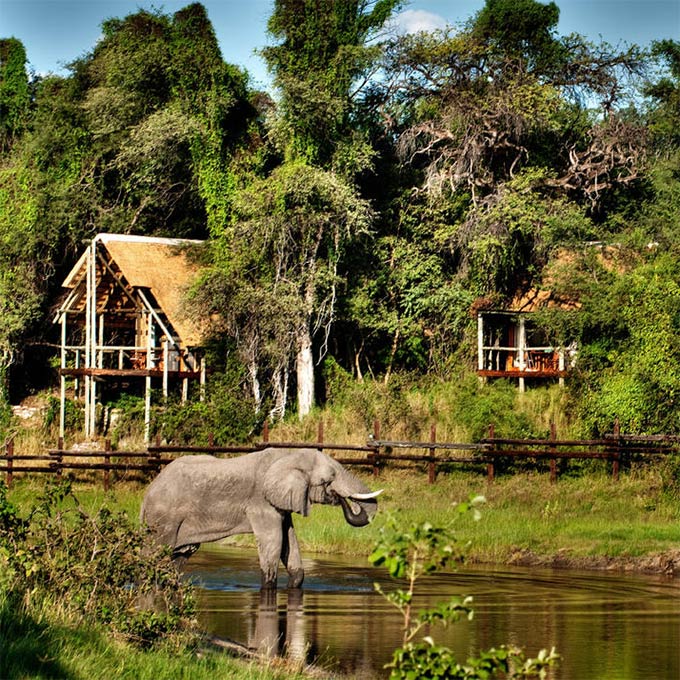
Chobe National Park is administered within Botswana’s conservation framework overseen by the Department of Wildlife and National Parks, with national tourism information accessible through the Botswana Tourism Organisation. The Chobe Riverfront is known for one of the largest concentrations of elephants in southern Africa. Seasonal river cruises allow close observation of elephants crossing channels, alongside hippos, crocodiles and abundant birdlife. The town of Kasane provides a range of guesthouses and mid range lodges, enabling visitors to combine land and water based viewing at varied price points.
4. Hwange National Park, Zimbabwe

Hwange National Park, Zimbabwe’s largest protected area, is managed by the Zimbabwe Parks and Wildlife Management Authority. Covering more than 14000 square kilometres, Hwange supports significant elephant populations as well as lion, leopard, buffalo and a range of antelope species. Seasonal pans and pumped waterholes concentrate wildlife during drier months, enhancing viewing opportunities. Community based initiatives in areas bordering the park form part of Zimbabwe’s CAMPFIRE programme, which channels wildlife revenue toward local development. Accommodation options range from campsites to locally owned lodges, allowing for varied budgets.
5. Okavango Delta, Botswana

The Okavango Delta is a UNESCO World Heritage Site and one of the world’s largest inland deltas. Conservation and tourism oversight fall within Botswana’s protected area framework, with national information available via the Botswana Tourism Organisation. Seasonal floodwaters from Angola transform the Kalahari sands into wetlands that support elephant, lion, leopard, buffalo, hippo and extensive birdlife. While parts of the delta are associated with high end lodges, there are also community concessions and mobile safari operators that offer lower cost seasonal packages, particularly in peripheral areas and during shoulder months. Mokoro canoe excursions provide a low impact means of navigating reed lined channels.
6. Lower Zambezi National Park, Zambia

Lower Zambezi National Park is managed by Zambia’s Department of National Parks and Wildlife. The park’s floodplains and winterthorn forests border the Zambezi River, creating habitats for elephant, buffalo, lion and leopard. Canoe based safaris allow visitors to move quietly along river channels, observing wildlife at water level. Walking safaris provide an interpretive approach grounded in ecological knowledge. Seasonal travel and locally run camps can offer moderate cost alternatives within a conservation oriented framework.
7.Lake Nakuru National Park, Kenya

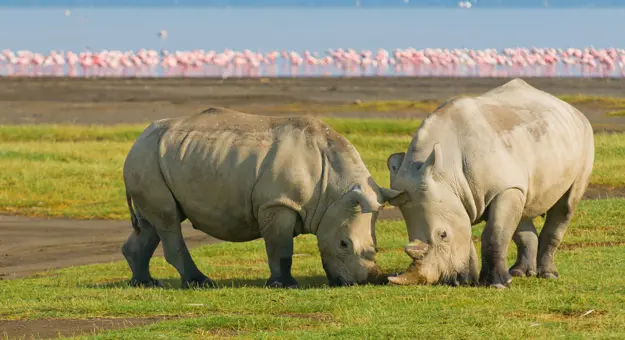
Administered by the Kenya Wildlife Service, Lake Nakuru National Park occupies part of the Great Rift Valley and is internationally recognised for rhino conservation. Both black and white rhinos are protected within its boundaries, alongside Rothschild’s giraffes and numerous antelope species. The alkaline lake supports diverse birdlife, with seasonal flamingo populations influenced by ecological conditions. Its accessibility from Nairobi makes it suitable for shorter stays that reduce logistical costs.
8. Hlane Royal National Park, Eswatini

Hlane Royal National Park is managed by Big Game Parks in collaboration with the Government of Eswatini. The park protects open savannah intersected by the Umbuluzana River system. Lions and white rhinos are among its flagship species, and guided walks provide opportunities to engage with the landscape at a slower pace. Eswatini’s smaller tourism footprint results in fewer vehicles at sightings compared with larger regional parks.

9. Saloum Delta National Park, Senegal

Recognised by the United Nations Educational, Scientific and Cultural Organization as a World Heritage Site, Saloum Delta National Park encompasses mangrove forests, tidal channels and islands along Senegal’s Atlantic coast. The delta supports migratory birds along the East Atlantic Flyway and sustains local fishing communities. Community run camps and lodges provide culturally embedded hospitality within a biodiverse estuarine landscape.
10. Isalo National Park, Madagascar
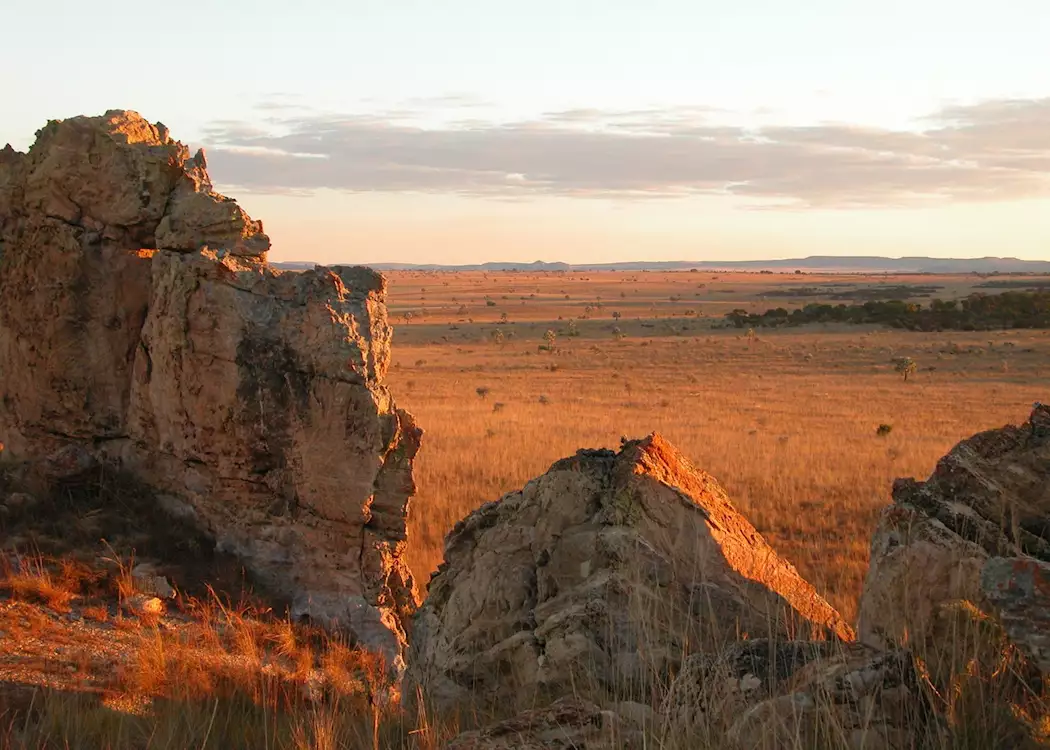
Isalo National Park is managed by Madagascar National Parks. Characterised by sandstone massifs, deep canyons and seasonal pools, the park reflects Madagascar’s exceptional endemism. Ring tailed lemurs and other endemic species inhabit forested gullies beneath sculpted rock formations. Hiking trails replace conventional game drives, offering a different form of wildlife encounter shaped by Madagascar’s distinct ecological history.
Across these destinations, affordability reflects governance models, community engagement strategies and seasonal dynamics rather than diminished conservation value. A pan African perspective acknowledges that safari travel encompasses diverse ecological systems and social histories. When undertaken responsibly, wildlife tourism can contribute meaningfully to biodiversity protection and community resilience across the continent.