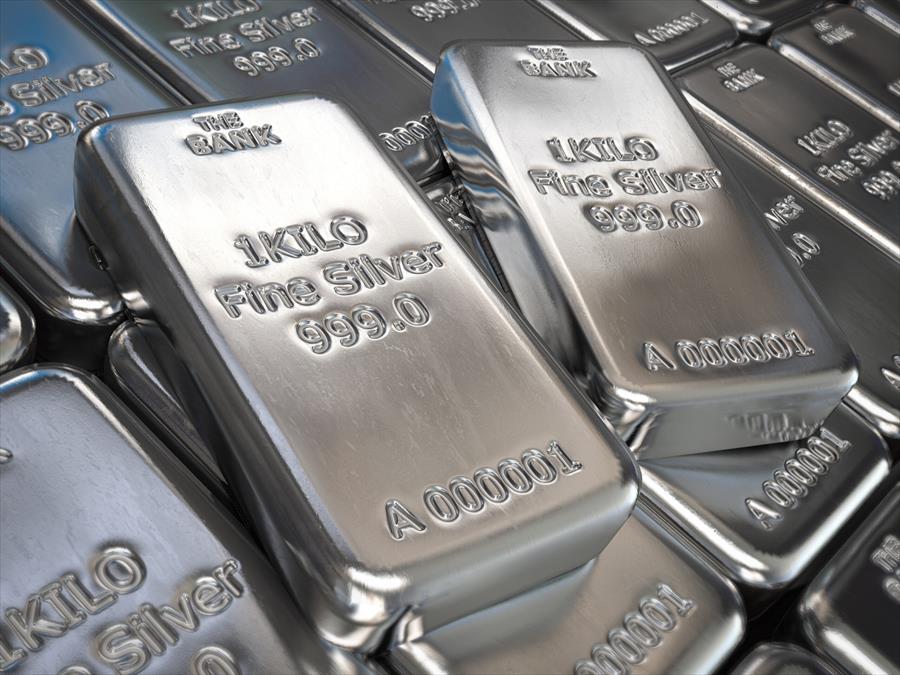
In early 2026, silver prices crossed the historic $120 per ounce threshold, registering a more than 450 percent increase in two years. While sensational at a glance, the ascent reflects deep structural realignments in industrial demand, financial systems, and geopolitical strategy. Unlike previous commodity spikes driven by short-term speculation, this rally exposes the fragility of global systems and offers lessons in resilience, particularly for African nations navigating energy transitions and mineral policy futures.
The surge cannot be understood through linear or Western-centric narratives. Instead, it emerges from complex interactions between underinvestment in supply, new strategic policies in China, technological transitions globally, and growing disillusionment with the architecture of financial markets that often masks real scarcity with paper abundance.
The global silver market has been running a sustained deficit. Between 2021 and 2025, more silver was consumed than mined annually, with a cumulative shortfall now exceeding 650 million ounces. This equates to nearly a full year of global mining output. Reports from Kitco and Sprott confirm that inventories in key vaults, including London and COMEX, have steadily declined, especially as physical demand outpaces available reserves.



In late 2025, China introduced new export licensing regulations that limited outbound refined silver shipments. The move, likely driven by rising domestic demand and strategic reserve policies, has pushed Chinese silver prices well above global benchmarks. According to January 2026 data from Bloomberg, the Shanghai spot market reflected premiums of up to 5 percent compared to London prices. This disparity highlights China’s tightening grip on refined silver flows and its implications for global supply.
Industrial demand has been another powerful force. Silver is essential in solar photovoltaic cells, data centres, electric vehicles, and high-efficiency electronics. Forecasts from BloombergNEF and the International Energy Agency indicate that silver consumption by the solar sector alone is on track to double by 2030, rising from 220 million ounces in 2025 to potentially over 450 million. In the African context, countries such as South Africa, Kenya, and Egypt have aggressively scaled up solar capacity, placing pressure on regional and global supply chains for silver and associated inputs.
While demand rises, the financial side of the silver market reveals troubling disconnections. Paper contracts vastly outnumber physical holdings, with estimates ranging between 250 and 400 to one. This ratio renders the system vulnerable during times of elevated physical delivery requests. In late 2025, lease rates — the cost of borrowing physical silver — spiked to over 30 percent annually, while backwardation emerged as the dominant market structure. These are strong signals of physical scarcity that the paper market alone cannot mask.
ETFs have also played a part. Inflows into physical silver exchange-traded funds exceeded 95 million ounces in 2025, based on Kitco analysis. These reserves are effectively removed from circulation, limiting access for manufacturers and further tightening the market.

Meanwhile, refining constraints have added further complexity. While not a universal crisis, intermittent disruptions in key refining hubs such as India, Peru, and Mexico have temporarily reduced global refining output, making it harder to convert mined silver into usable form.
Adding symbolic weight to these dynamics, the United States reclassified silver as a “critical mineral” in August 2025. This designation has policy and strategic implications, reflecting the growing consensus that silver’s importance lies not only in jewellery or monetary storage, but in the technological future of energy, data, and security.
While gold remains a cornerstone of sovereign and investor portfolios, silver’s thinner market means it responds more violently to structural shifts. Its recent parabolic rise is a result not of hype but of compounding imbalances in supply, policy, and industrial consumption.
For African economies, this new silver landscape offers both risks and agency. Those heavily reliant on imported electronics or solar hardware may face rising costs. However, nations with untapped reserves or refining potential — such as Namibia, Morocco, or Tanzania — could reposition themselves within new industrial value chains. As the world reorients around critical minerals and decentralised energy systems, African countries must resist extractive frameworks and instead build sovereign industrial capacity.
This moment is not simply about market movement. It is about revaluation — of metals, of sovereignty, of systems. The rise of silver is a mirror reflecting deeper shifts that could define this decade. For Africa, the opportunity lies not in chasing headlines but in shaping how the next global system functions, with minerals no longer serving as a source of dispossession but as pillars of self-determination.