Wednesday, April 15, 2026
  • Login
The Southern African Times
  • Home
  • Southern Africa
  • Business
    • African Start ups
    • African Continental Free Trade Area
  • Technology
    • Lifestyle
      • Health
      • Culture
      • Food and Drink
      • Entertainment
  • Opinion
  • Sports
  • SAT Jobs
    • Events
  • About Us
    • Advertise with Us
    • Contact Us
No Result
View All Result
  • Home
  • Southern Africa
  • Business
    • African Start ups
    • African Continental Free Trade Area
  • Technology
    • Lifestyle
      • Health
      • Culture
      • Food and Drink
      • Entertainment
  • Opinion
  • Sports
  • SAT Jobs
    • Events
  • About Us
    • Advertise with Us
    • Contact Us
No Result
View All Result
The Southern African Times
No Result
View All Result
Home Politics

Africa’s 2026 Elections: A Year of Political Crossroads and Continental Reflection

by SAT Reporter
January 23, 2026
in Politics
0
Africa’s 2026 Elections: A Year of Political Crossroads and Continental Reflection

As the African continent moves through 2026, a series of consequential elections are poised to shape the trajectory of governance, policy formation, and democratic legitimacy across the region. Each national context reveals the nuanced interplay between historical patterns, evolving political structures, and shifting geopolitical relevance, reinforcing the complexity of African democratic experiences.

In Benin, parliamentary elections were held on 11 January following a recently thwarted coup attempt. While official results saw pro-government parties secure most of the 109 seats in the National Assembly, the regional environment remains delicate, particularly given the proximity to military-led governments in Burkina Faso and Niger. Presidential elections scheduled for 12 April are expected to test the nation’s resilience and institutional maturity. Source

Uganda has once again returned President Yoweri Museveni to office for a seventh term. With over 71 percent of the vote, his re-election has sparked renewed concern from international observers and local civil society organisations. Opposition figure Bobi Wine, who received approximately 24.7 percent, rejected the results, citing systemic repression. While the African Union delegation, led by former Nigerian President Goodluck Jonathan, reported minimal direct interference with the ballot process, long-standing issues around media suppression, arrests, and intimidation continue to raise serious questions about electoral integrity.


ADVERTISEMENT

The Republic of the Congo is expected to hold presidential elections on 22 March. President Denis Sassou Nguesso, in power since 1997, remains the dominant political figure amid restricted opposition freedoms. Independent reports from organisations such as Freedom House continue to highlight the limited civic space and constrained political rights within the country, suggesting continuity rather than transformation in its political architecture.

In Djibouti, elections expected by April are being closely monitored by international stakeholders. The Horn of Africa nation, led by President Ismail Omar Guelleh since 1999, occupies a strategic geopolitical position near the Red Sea and hosts several foreign military bases. Despite criticisms around democratic deficits, Djibouti’s stability remains a key concern for regional and global powers.

Cape Verde continues to stand out as a robust democratic model in Africa. Parliamentary elections are anticipated in April, followed by presidential polls in October. The archipelago, frequently cited by international indices as the most democratic nation in Africa, demonstrates sustained political maturity, competitive pluralism, and peaceful transitions of power.

Ethiopia is preparing for a general election on 1 June, its first since the cessation of active conflict between the Ethiopian National Defense Force and the Tigray People’s Liberation Front in 2022. Despite the end of hostilities in Tigray, persisting tensions in the Amhara and Oromia regions may hinder inclusivity and electoral credibility. Human rights groups and electoral observers are advocating for robust mechanisms to ensure broad participation and transparency.

In Zambia, scheduled elections on 12 August will test recent democratic reforms under President Hakainde Hichilema’s administration. Proportional representation and an expanded National Assembly have been introduced to enhance political diversity. However, debate continues over the extent to which these reforms have broadened civic participation and consolidated democratic norms.

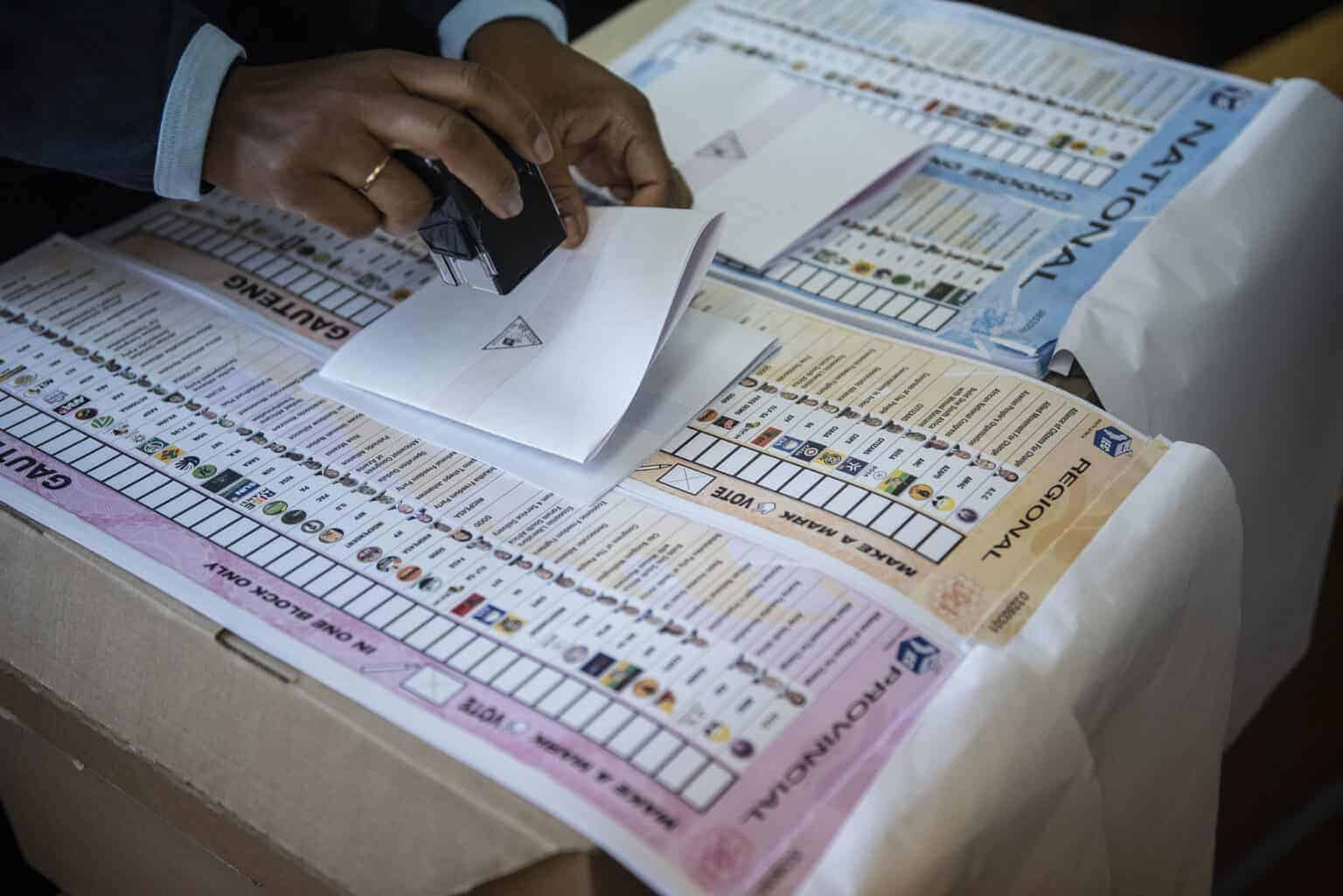
South Africa is set to hold municipal elections in November. These local polls will serve as a barometer for the national coalition government formed in 2024 under President Cyril Ramaphosa. With increased voter scepticism and political fragmentation, the elections are expected to reflect public sentiment regarding service delivery, coalition governance, and socioeconomic policy performance.

In The Gambia, presidential elections are due on 5 December, with incumbent President Adama Barrow seeking a third term. Public dissatisfaction with Barrow’s leadership remains high, yet a fractured opposition and widespread voter fatigue may inadvertently bolster his re-election prospects. Parliamentary elections are slated for 2027, leaving considerable time for opposition forces to recalibrate.

South Sudan faces perhaps the most uncertain electoral path. Scheduled to hold its first general election on 22 December, the country remains mired in economic crisis, political instability, and tensions over the treason trial of opposition leader Riek Machar. The viability of the elections remains in doubt amid growing concerns about the implementation of the 2018 peace agreement and logistical hurdles to voter registration and ballot security.

Lastly, the autonomous region of Somaliland is preparing for parliamentary and municipal elections in 2026. Its recent diplomatic engagement with Israel, including formal recognition, has introduced new geopolitical complexities. Somaliland’s longstanding push for recognition as an independent state continues to face stiff resistance from the African Union and neighbouring states, yet the region’s internal political processes remain relatively functional.

These elections collectively illustrate the immense diversity and evolving nature of governance across the African continent. From nations entrenched in authoritarian legacies to others demonstrating notable democratic resilience, 2026 will not deliver a singular African political narrative. Instead, it offers a textured mosaic of aspirations, contestations, and transitions that, when understood in their full complexity, underscore the agency and dynamism of African societies shaping their political futures.

Tags: African elections 2026African geopoliticsAfrican Unioncivic participationdemocracy in Africademocratic developmentelectoral reformgovernancepolitical transitionsRegional Stability
Previous Post

Trump Administration’s Visa Suspension Raises Alarm Across Africa

Next Post

OPINION | Davos Reveals the Reality Africa Has Long Endured

SAT Reporter

Related Posts

Hungary election marks political turning point as Orbán concedes defeat
Politics

Hungary election marks political turning point as Orbán concedes defeat

by SAT Reporter
April 12, 2026
Djibouti’s Guelleh Secures Sixth Term Following Presidential Election Results
Politics

Djibouti’s Guelleh Secures Sixth Term Following Presidential Election Results

by SAT Reporter
April 12, 2026
Ramaphosa Distances Himself as IPID Report Lifts Lid on Phala Phala Cover Up Claims
Politics

Ramaphosa Distances Himself as IPID Report Lifts Lid on Phala Phala Cover Up Claims

by SAT Reporter
April 11, 2026
Is JD Vance’s Hungary Visit About More Than Bilateral Diplomacy
Politics

Is JD Vance’s Hungary Visit About More Than Bilateral Diplomacy

by SAT Reporter
April 6, 2026
From Tourism Diplomat to Defendant: Walter Mzembi Opens Defence in Zimbabwe Trial
Politics

From Tourism Diplomat to Defendant: Walter Mzembi Opens Defence in Zimbabwe Trial

by Michelle Mungeni
March 5, 2026
Next Post
OPINION | Davos Reveals the Reality Africa Has Long Endured

OPINION | Davos Reveals the Reality Africa Has Long Endured

Browse by Category

  • Africa AI
  • African Continental Free Trade Area
  • African Debt
  • African Start ups
  • Agriculture
  • AI Africa
  • Algeria
  • All News
  • Analysis
  • Angola
  • Arts / Culture
  • Asia
  • BOTSWANA
  • Botswana
  • BREAKING NEWS
  • BRICS
  • Burkina Faso
  • Burundi
  • Business
  • Business
  • Business Wire
  • Cameroon
  • Central Africa
  • Chad
  • China
  • Climate Change
  • Climate Changev
  • Community
  • Congo Republic
  • Conservation
  • Côte d’Ivoire
  • COVID 19
  • CRYPTOCURRENCY
  • Culture
  • Democratic Republic of Congo
  • Diplomacy
  • Eastern Africa
  • Economic Development
  • Economy
  • Education
  • Egypt
  • Elections 2024
  • Energy
  • Entertainment
  • Environment
  • Eritrea
  • Ethiopia
  • Europe
  • Fashion
  • Feature
  • Finance
  • Financial Inclusion
  • Food
  • Food and Drink
  • Foods
  • GABON
  • Ghana
  • Global
  • Global Africa
  • Guinea
  • Health
  • Immigration
  • in Southern Africa
  • International news
  • International Relations
  • Ivory Coast
  • Just In
  • Kenya
  • Lesotho
  • Libya
  • Life Style
  • Lifestyle
  • Literature
  • Malawi
  • Malawi
  • Mali
  • Markets
  • Mauritius
  • Middle East
  • Mining in Africa
  • Morocco
  • Mozambique
  • Namibia
  • Niger
  • niger
  • Nigeria
  • North Africa
  • North-Eastern Africa
  • Obituaries
  • Obituary
  • Opinion
  • PARTNER CONTENT
  • Politics
  • Property
  • Racism
  • Rwanda
  • Rwanda
  • SADC
  • SAT Interviews
  • SAT Investigation
  • SAT Jobs
  • Saudi Arabia
  • Senegal
  • Seychelles
  • South Africa
  • South Sudan
  • Sports
  • Startup Africa
  • STOCK EXCHANGE
  • Sudan
  • Sustainability
  • Sustainablity
  • Tanzania
  • Technology
  • Telecommunications
  • The Editorial Board
  • The Power Of She
  • Togo
  • Trade
  • Travel
  • Travel
  • Tunisia
  • Uganda
  • Uncategorized
  • Wealth
  • West Africa
  • World
  • World
  • Zambia
  • ZAMBIA
  • Zimbabwe
  • ZIMBABWE

Browse by Tags

#NewsUpdate #SouthAfrica #SouthernAfricanTimes #TheSouthernAfricanTimes AfCFTA africa African Continental Free Trade Area African development African Development Bank African economies African economy African Union Agriculture Angola Botswana Business China Climate change Cyril Ramaphosa Economic Development economic growth energy transition fiscal policy food security industrialisation Inflation Infrastructure Development International relations Investment Kenya Mozambique Namibia news Nigeria Regional Integration renewable energy Rwanda SADC South Africa Southern Africa sustainable development Tanzania United States Zambia Zimbabwe
ADVERTISEMENT

WHO WE ARE

The Southern African Times is a regional bloc digital newspaper that covers Southern African and world news. The paper also gives a nuanced analysis on news and covers a wide range of reporting which include sports, entertainment, foreign affairs, arts and culture.

Welcome Back!

Login to your account below

Forgotten Password?

Retrieve your password

Please enter your username or email address to reset your password.

Log In

  • Home
  • Southern Africa
  • Business
    • African Start ups
    • African Continental Free Trade Area
  • Technology
    • Lifestyle
      • Health
      • Culture
      • Food and Drink
      • Entertainment
  • Opinion
  • Sports
  • SAT Jobs
    • Events
  • About Us
    • Advertise with Us
    • Contact Us
Are you sure want to unlock this post?
Unlock left : 0
Are you sure want to cancel subscription?