On a brisk London evening, beneath soft lighting and murmurs of anticipation, a room came alive with the quiet confidence of a continent rewriting its story. The occasion, hosted by the Rwandan High Commission, celebrated the evolving legacy of the Visit Rwanda campaign and its vibrant partnership with the Basketball Africa League (BAL). But this was not a typical cocktail gathering. It was a carefully composed portrait of what modern Africa increasingly looks and feels like. Intentional, eloquent and entirely unafraid to take up space.
At the centre of the evening was Johnston Busingye, Rwanda’s High Commissioner to the United Kingdom. In his considered remarks, he guided guests including investors, diplomats, artists and the inevitable gravity of celebrity through Rwanda’s transformation. This was not a speech of defence or display. It was a story of stillness and strategy. “Visit Rwanda is more than a brand. It is a story,” he said, without pretence and with clarity.
Few campaigns have recalibrated international perception so swiftly. When Rwanda partnered with Arsenal Football Club in 2018, observers raised eyebrows. Why would a country still emerging from the shadow of the 1994 Genocide against the Tutsi invest in football sponsorship? But to ask that is to misunderstand the politics of visibility. As Busingye explained, Rwanda was not buying prestige. It was reclaiming presence.



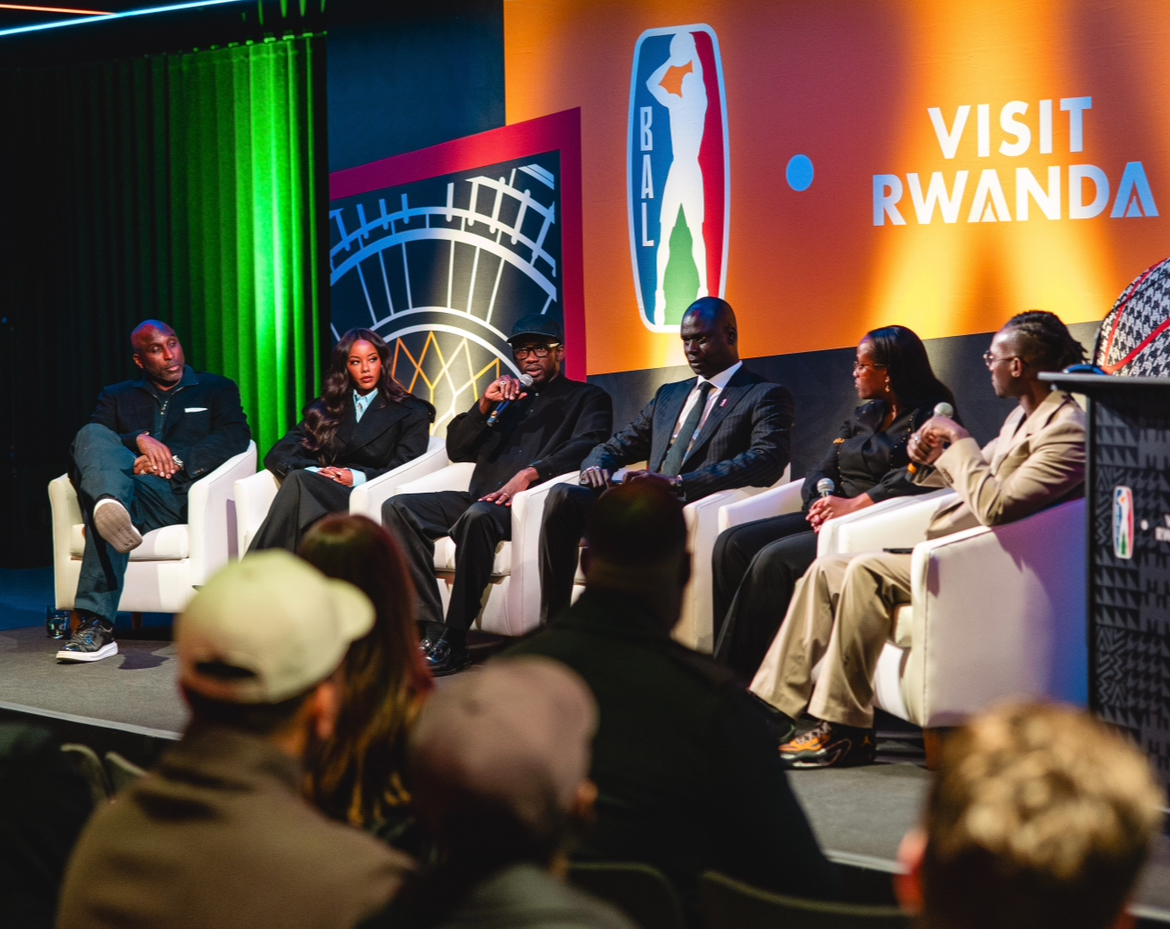
“We were known everywhere for a genocide we had no role in,” he reflected with dignified sobriety. “Yet here we were, a restless and ambitious people determined to change Rwanda for better and for good.”
The partnership with Arsenal was not about football alone. It was about redefining how Rwanda is seen. The campaign brought visibility not only to travellers and tour operators but also to investors, policymakers and storytellers. It shifted the lens from loss to leadership, from pity to possibility.
This vision continues through the Basketball Africa League. Rwanda’s role as host nation is deliberate. It reflects a deeper strategy to integrate sport into its development architecture. BAL is not merely a competition. It is an ecosystem. It is youth opportunity, infrastructure planning and a statement that Africa’s talent can stay, grow and thrive within its own borders.

Among those bringing this message to life is Clare Akamanzi, now CEO of NBA Africa. Formerly head of the Rwanda Development Board, she understands development as a creative act. At the London event, she shared how Africa is not just a marketplace but a maker of futures. BAL under her leadership is poised to raise standards not only in sport but in imagination.
Adding to the cultural resonance of the evening was former Arsenal and England defender Sol Campbell. He brought with him a sense of familiarity and gravitas. His remarks were brief but enduring. “When you change how people see you, you change what becomes possible.” The line was neither rehearsed nor forced. It was true.
The venue itself, nestled just beyond London’s embassied corridors, was understated. No flags. No fanfare. Just music, connection and a shared understanding that this evening was about more than celebration. It was about presence. It was about knowing one’s worth and extending that sense of invitation with grace.

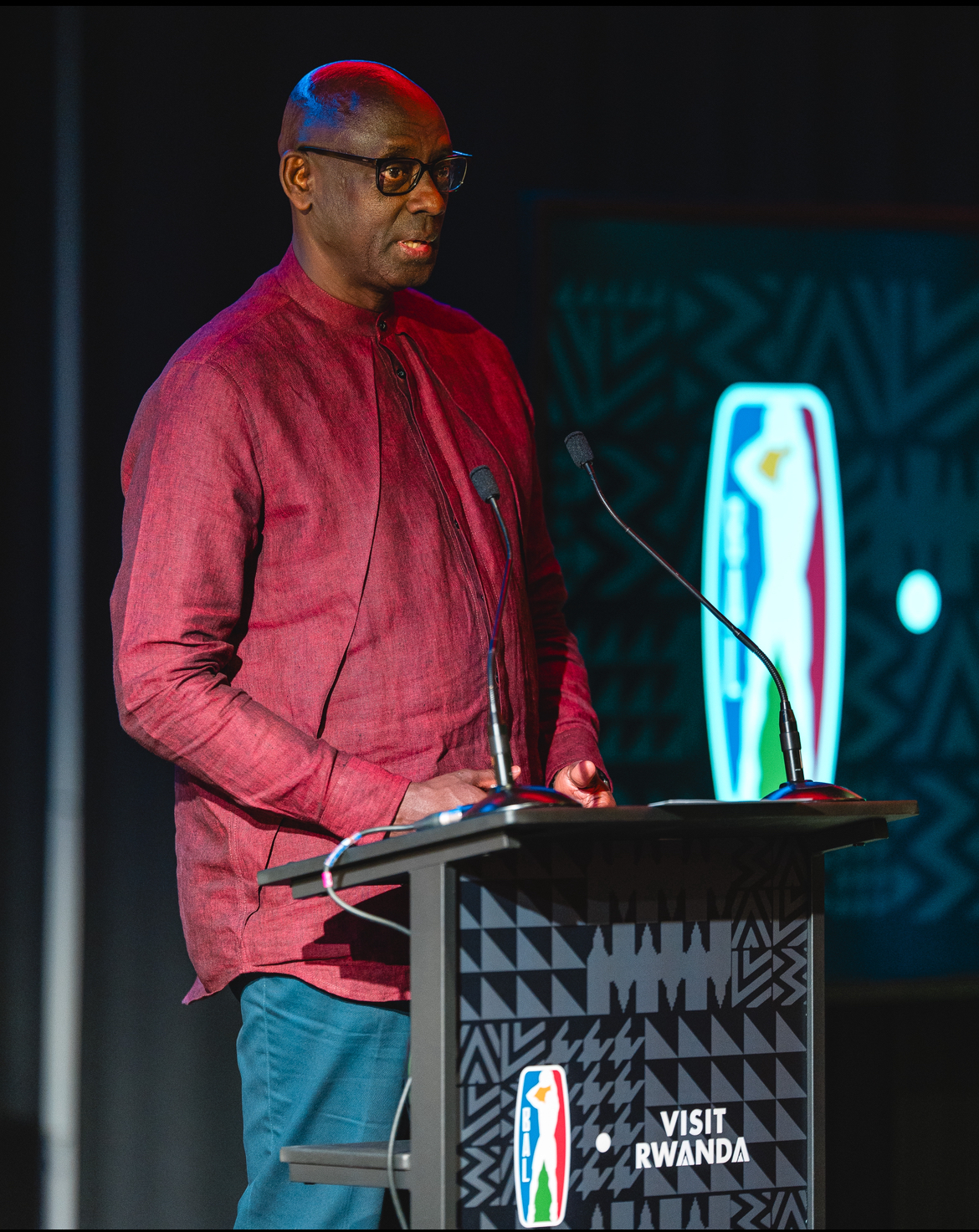
The Rwanda Convention Bureau also played a quiet yet central role in the evening. Their presence signalled that tourism is not an afterthought but an instrument of national strategy. From the volcano-backed lodges of the Virunga to conference halls in Kigali, Visit Rwanda continues to evolve. It is not tourism that extracts. It is tourism that exchanges.
As the evening closed, Johnston Busingye reminded attendees that the Rwandan High Commission in London remains open not only to official engagements but to ideas, creativity and collaboration. “We are permanently based here and at your service. Check in with us any time you have an idea to explore or facilitation you may need.”
By the time guests stepped out into the London night, the evening had offered more than an account of progress. It had offered a glimpse into the future. A Rwanda confident in its own story. An Africa unafraid of its complexity. A message not wrapped in slogans but lived in tone, in presence, in the unapologetic clarity of its invitation to be seen.
And in that quiet, assured presence was the deepest form of power.