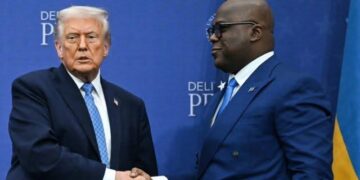
Rwanda and the Democratic Republic of Congo have entered yet another tense chapter in their troubled relationship as both sides accuse each other of violating recent ceasefire commitments, even as they prepare to sign a new peace accord in Washington. The so called Washington Accords for Peace and Prosperity, expected to be endorsed on Thursday by President Donald Trump alongside the leaders of Rwanda and the DRC, are being presented as an ambitious attempt to draw a line under a conflict that has destabilised the region for more than a decade.
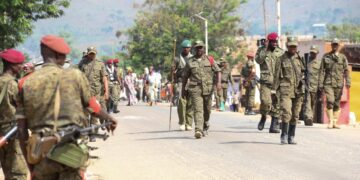
Yet the latest exchanges suggest that a significant gap remains between political declarations and the situation on the ground. On Tuesday the Congolese army and the Rwanda backed M23 rebels accused each other of breaking the ceasefire and attempting to undermine the forthcoming agreement. The skirmishes underline the fragility of eastern DRC, where rival claims of provocation and retaliation have become a familiar prelude to attempts at peace.
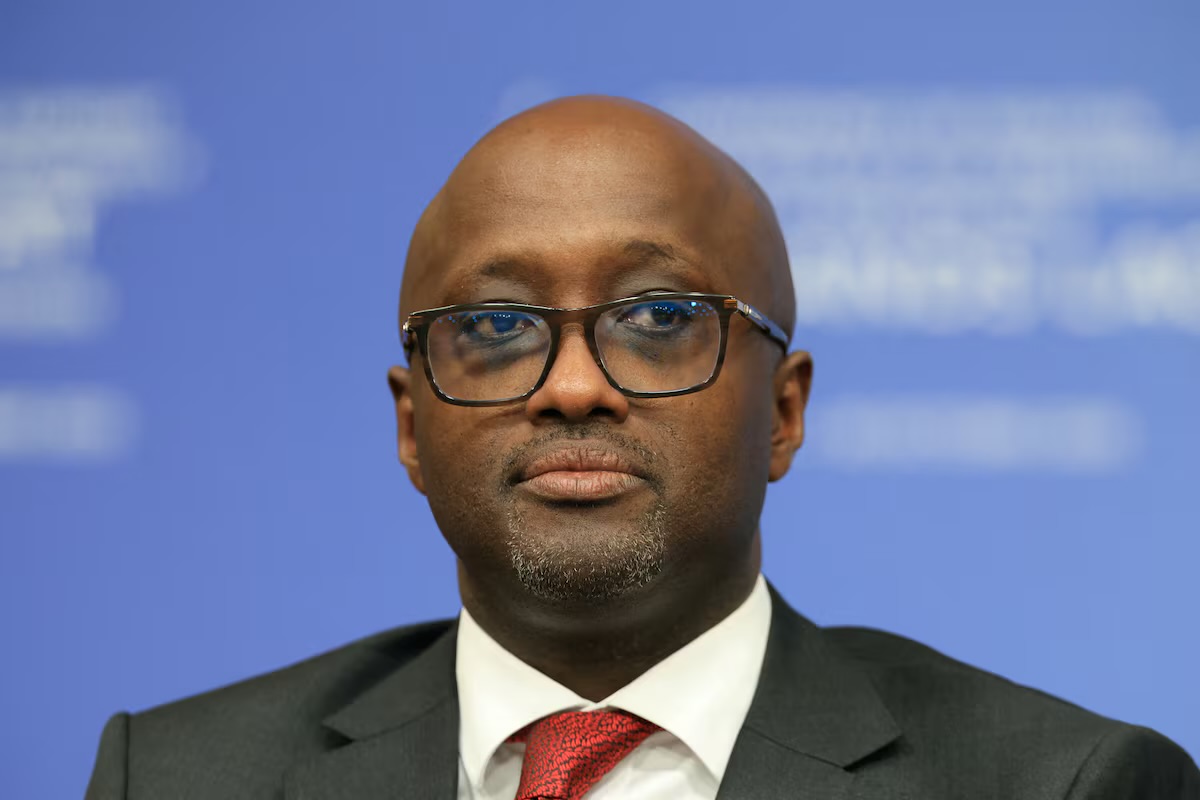
Rwandan Foreign Minister Olivier Nduhungirehe, speaking to news reporters in Washington, insisted that there had been progress, even if the picture remained uneven. He described the current moment as one of relative stability, saying that while fighting persists, there has been no new territorial expansion by M23. Peace, he argued, is a process rather than an instant achievement.




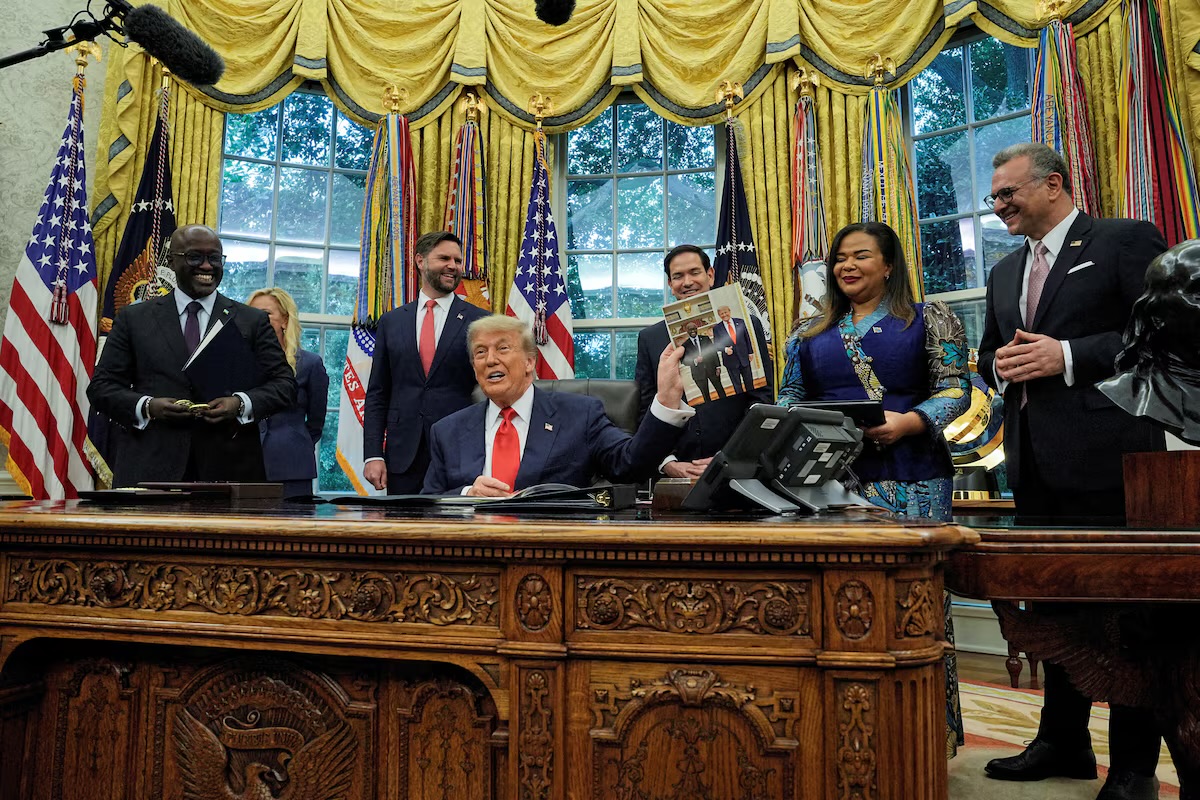
The accord to be signed in Washington follows a series of deals brokered by the Trump administration, including an economic integration framework intended to channel large scale Western investment into a region rich in tantalum, gold, cobalt, copper, lithium and other minerals. Nduhungirehe praised the United States for offering what he termed an economic incentive for peace, and urged all sides, particularly the government in Kinshasa, to seize the opportunity to bring an end to the conflict.
Despite its influence in the crisis, Rwanda is not a party to the ongoing talks in Qatar, which produced a framework agreement between Kinshasa and M23 in November. Kigali continues to deny backing the rebel group, though international observers and the Congolese government maintain that its support is clear. Nduhungirehe accused Congolese forces of deploying fighter jets, attack drones and other heavy weapons against M23 positions and nearby civilians.
He also defended the presence of Rwandan troops inside Congolese territory, calling it a defensive measure that would end only when the DRC had neutralised the Democratic Forces for the Liberation of Rwanda. The FDLR, composed of remnants of the former Rwandan regime responsible for the 1994 genocide, has long been cited by Rwanda as a security threat that Kinshasa has failed to eliminate.
Trust remains thin. “We are yet to see any beginning of operations against the FDLR,” Nduhungirehe said, adding that Rwanda had little confidence that the DRC was acting in good faith.
Meanwhile Patrick Muyaya, the DRC’s Minister of Communications and Media, defended Kinshasa’s approach at a news conference in Washington. He said the government had launched an awareness campaign as a precursor to disarming the FDLR and accused M23 of provoking the most recent clashes, calling it proof that Rwanda does not want peace.
Muyaya expressed cautious hope that United States involvement might translate past agreements into genuine progress. For Kinshasa, peace means a full withdrawal of Rwandan forces, an end to any support for M23, and the chance to redirect attention toward development and regional integration.
Whether the new accord can meaningfully shift the calculus of either side remains uncertain. The language of cooperation will be on full display in Washington, yet the realities in eastern Congo continue to be defined by suspicion, armed confrontation and the absence of a shared vision for security.