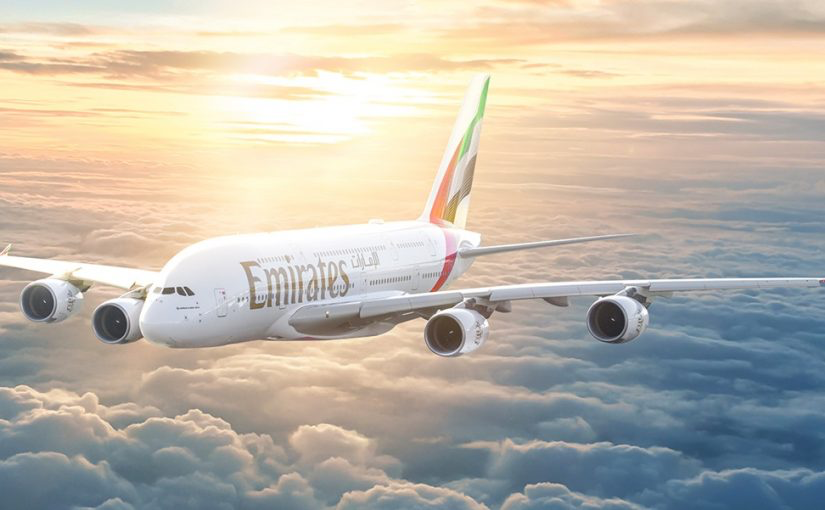
Emirates airline has suspended ticket issuance for all licensed travel agencies in Mozambique, citing a persistent shortage of foreign currency and mounting difficulties in repatriating its revenues from the country. The move, which took effect on Monday, means that local agencies can no longer issue Emirates tickets directly and will now have to rely on intermediaries abroad.
The decision marks a major setback for Mozambique’s travel and tourism industry, already strained by currency shortages and a sluggish post-pandemic recovery. It also underscores the wider challenges faced by international airlines operating in several African markets where foreign exchange restrictions have trapped millions of dollars in airline revenues.
“This measure has immediate and deeply worrying effects for the sector,” said Muhammad Abdullah, chief executive of Cotur, one of Mozambique’s leading travel agencies. “In practice, it means a complete loss of operational autonomy.”



Abdullah explained that while the suspension only came into effect this week, the underlying problems date back to 2023, when tighter foreign exchange controls and growing difficulty in transferring revenues abroad began to affect international carriers. “Emirates is the first to take drastic action, but all airlines are facing the same issue,” he said. “If nothing is done, others will follow suit.”
According to Abdullah, other carriers — including Qatar Airways, Ethiopian Airlines, Kenya Airways, RwandAir, TAAG Angola Airlines, and TAP Air Portugal, have already begun limiting local ticket issuance to “Sold Outside, Ticketed Outside” (SOTO) arrangements, a move that forces Mozambican travellers and agents to book through foreign systems.
He warned that Emirates’ withdrawal would make travel in and out of Mozambique more expensive and complicated. “Travel agencies lose margin and competitiveness, while passengers, especially corporate travellers, face delays, additional costs, and a loss of flexibility,” he said.

Abdullah added that the measure will increase operational and administrative costs for local businesses, cut into commissions, and potentially reduce tourist arrivals due to higher fares and fewer available flights. “This could make it harder for international operators and travellers to access Mozambique,” he said, adding that it could also jeopardise conferences and events due to logistical instability.
“This situation undermines confidence in the national financial system and in the country’s ability to ensure currency stability and predictability for foreign companies,” Abdullah warned. “Tourism is a strategic and cross-cutting sector, if this ecosystem collapses, the effects will extend to hospitality, conferences, transport, and even tax revenue.”
Abdullah, who also heads the travel and tourism division of the Confederation of Mozambican Business Associations (CTA), called for urgent government intervention to ease the currency bottleneck. “We need to normalise access to foreign currency and create transparent mechanisms for repatriating funds,” he said. “Only then can we prevent progressive air isolation and protect a sector that is vital to economic development and Mozambique’s image as a tourist and business destination.”
The Central Bank of Mozambique has not issued a statement on Emirates’ decision, but businesses have for months voiced frustration over worsening foreign exchange shortages and restrictions that have left companies struggling to pay international suppliers or repatriate earnings.
For now, the suspension has effectively cut off Mozambique’s travel agencies from one of the world’s largest airlines, deepening fears that other carriers may follow suit if the currency crisis continues, a development that could further isolate the country’s fragile tourism and aviation sectors.