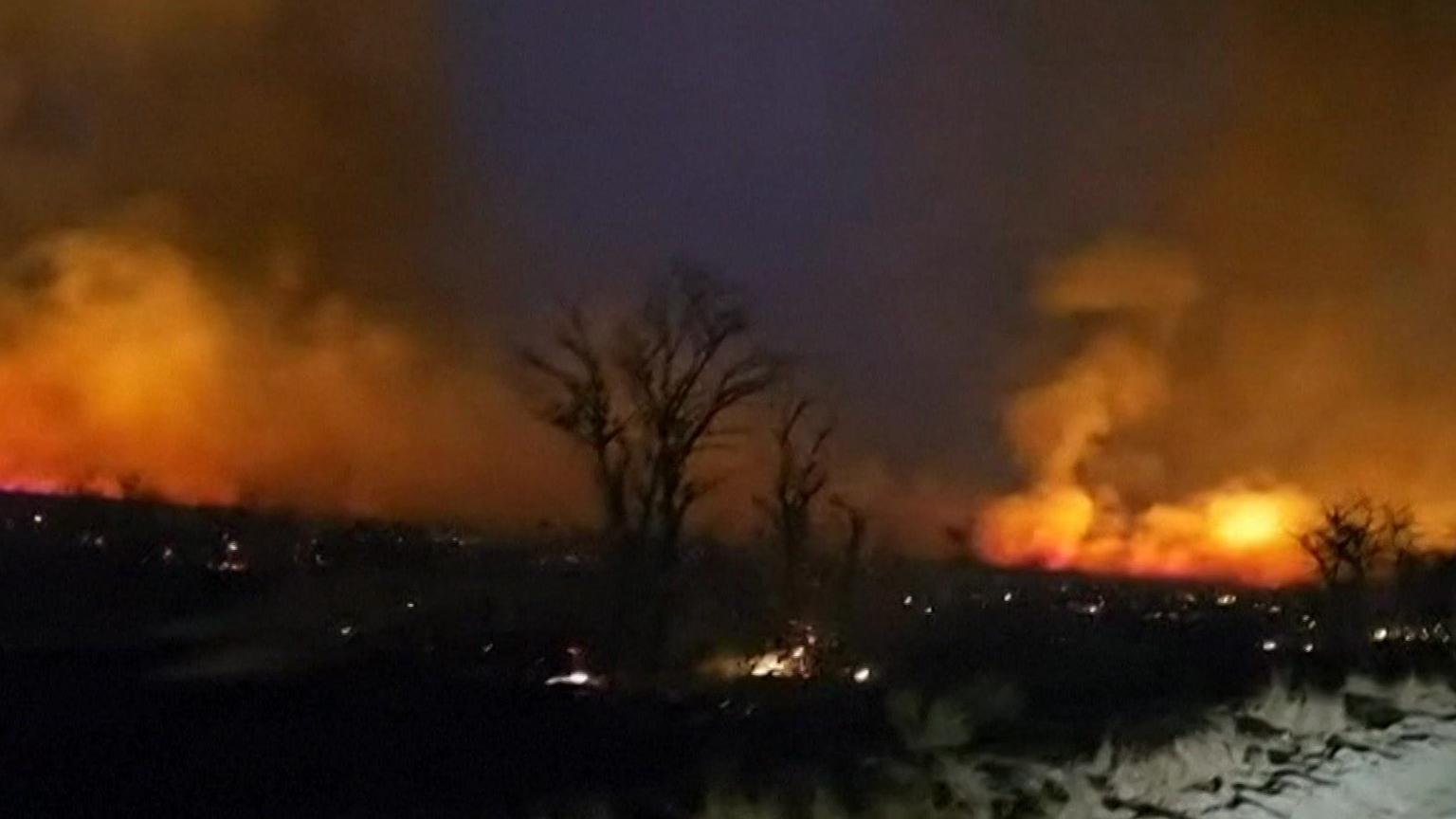
Namibia’s Ministry of Environment, Forestry and Tourism has confirmed that wildfires have ravaged more than one-third of the Etosha National Park, raising profound concerns for biodiversity, rural livelihoods, and regional conservation efforts.
According to official figures, approximately 775,163 hectares — equating to around 34 percent of the park’s expanse — have been consumed since fires first broke out on 22 September in the southwestern sector of the reserve. An additional 171,098 hectares of grazing land and communal areas in the Omusati and Oshana regions have also been affected.
The ecological impact is already evident. The Ministry reported the discovery of at least nine antelope carcasses in the burned zones, while a pangolin was rescued during emergency operations. Officials caution that the toll on wildlife may be considerably higher as assessments remain ongoing. Etosha, recognised for its vast salt pan and diverse species, is one of Namibia’s most significant conservation landscapes and a cornerstone of its tourism economy.




In its statement, the Ministry characterised the fires as “a significant threat to Namibia’s biodiversity, local livelihoods, and critical infrastructure”. Firefighting operations have since been intensified, with an additional 40 soldiers, a water tanker, and two helicopters deployed. More military personnel are expected to join efforts to contain the blaze in the coming days.
The situation underscores wider regional challenges faced by Southern Africa in balancing ecological preservation with community needs. Climate variability, land use pressures, and increasing incidences of wildfires across the continent complicate conservation strategies. While the immediate priority remains containment, long-term considerations include habitat restoration, improved fire management, and safeguarding rural resilience in areas surrounding protected reserves.
The Etosha National Park, a major destination that attracts thousands of visitors each year, is not only a vital sanctuary for wildlife but also an anchor for Namibia’s conservation identity within Southern Africa. The unfolding crisis in Etosha therefore extends beyond national boundaries, raising pressing questions about pan-African strategies for protecting biodiversity in an era of intensifying environmental risks.